
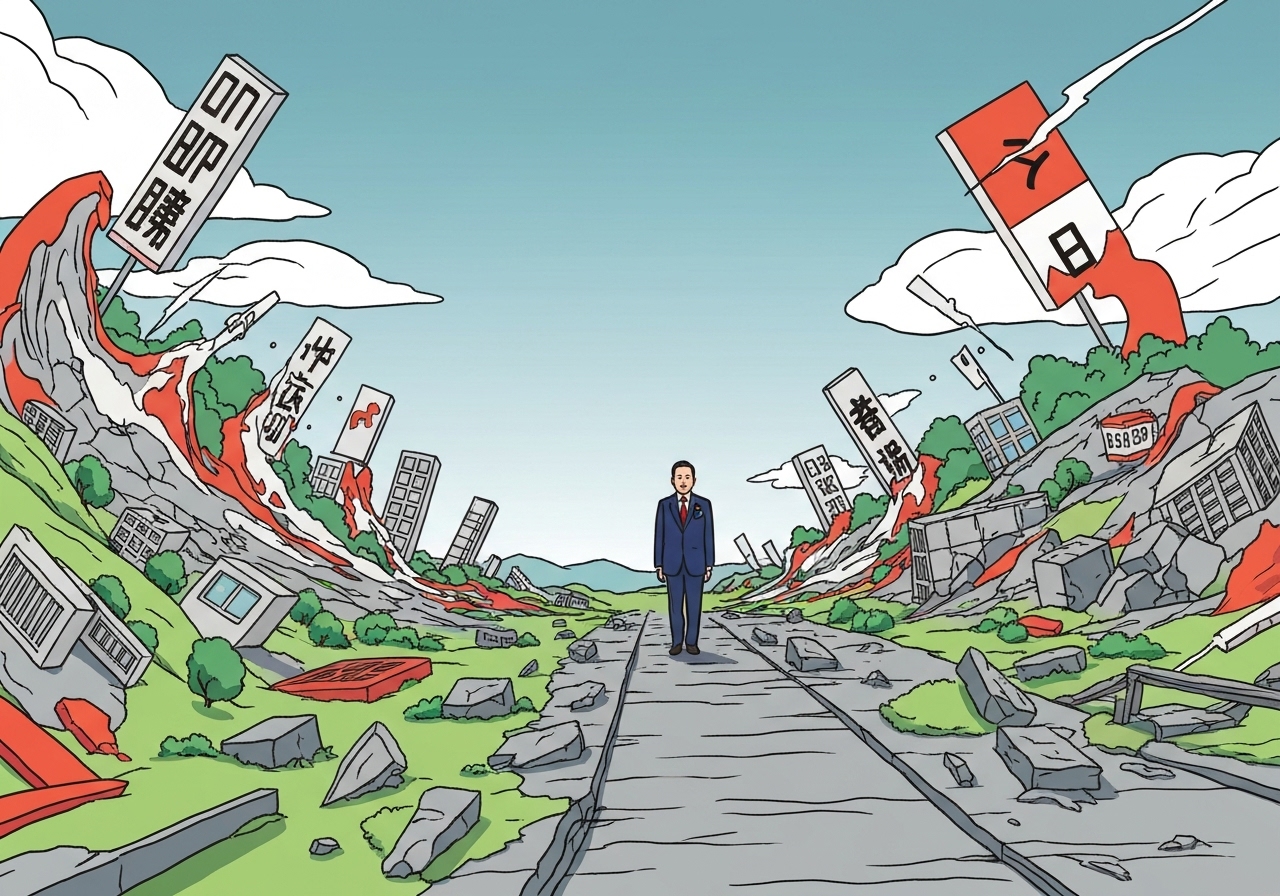
— Japan’s prime minister, Shigeru Ishiba, announced he will resign on Sunday, less than a year after taking office in October 2024, following heavy losses that left the ruling Liberal Democratic party (LDP) without majorities in both houses and triggered moves inside the party to replace him.
Key takeaways
- Ishiba decided to step down to prevent a deep split within the LDP after two election setbacks.
- The LDP and coalition partner Komeito lost their lower house majority in October 2024 and failed to regain control in the July 2025 upper house vote.
- Internal pressure and an expected push to bring forward the party’s presidential contest accelerated his decision.
- The resignation comes amid economic strain and a recent US tariff easing on Japanese cars from 27.5% to 15%.
- A leadership contest — involving lawmakers and rank-and-file members — is likely in early October 2025 to choose Ishiba’s successor.
- Potential contenders include Sanae Takaichi and Shinji Koizumi; influential LDP figures such as former PM Taro Aso will shape the outcome.
- Ishiba’s cabinet approval rating stood at 32.7% in a Kyodo poll released the same day.
Verified facts
Shigeru Ishiba became leader of the LDP in October 2024 and assumed the prime ministership shortly thereafter. Since then, his coalition with Komeito has lost its working majority in both chambers of the Diet: a defeat in the lower house in October 2024 and further losses in the upper house election in July 2025.
On 7 September 2025, public broadcaster reports and Kyodo news agency accounts said Ishiba informed colleagues and the media that he would resign to take responsibility for the electoral setbacks and to avoid a decisive split within the party. He said he would not stand in the hastened party presidential contest.
The resignation decision follows weeks of internal manoeuvring: some LDP MPs were reported to seek an early leadership vote, while Ishiba had threatened a snap general election instead of ceding to an internal challenge. Kyodo reported that talks with senior colleagues over the weekend made clear he could no longer lead the party.
Economic context is notable: US president Donald Trump announced a cut in tariffs on Japanese cars from 27.5% to 15% the week before Ishiba’s decision, a development Ishiba cited as one reason the timing was appropriate to step aside. A Kyodo poll published the same day put Ishiba’s cabinet approval at 32.7%, down 2.7 points from the previous month.
Context & impact
Without majorities in either house, the LDP-Komeito coalition must negotiate with opposition parties to pass legislation, increasing political instability and the risk of stalled policy initiatives. That weakness complicates economic measures as Japan faces a rising cost of living and pressure on exports amid global trade uncertainty.
Domestic politics are also strained by public concern over migration and a recent funding scandal that shook trust in the LDP, factors that have helped fringe and populist parties gain traction. Restoring voter confidence will be a top priority for any successor.
How the leadership contest plays out matters for policy direction. If hardline conservatives such as Sanae Takaichi prevail, the LDP could shift right on security and social issues. A younger, centrist candidate like Shinji Koizumi would likely prioritize economic and environmental messaging to appeal to broader voters.
- Short-term: the new leader must assemble a united party platform and secure legislative cooperation.
- Medium-term: Japan must balance trade relationships and domestic reforms while managing regional security tensions.
Official statements
“Now that negotiations on US tariff measures have reached a conclusion, I believe this is the appropriate moment. I have decided to step aside and make way for the next generation.”
Shigeru Ishiba, Prime Minister of Japan
Unconfirmed claims
- Reports that a formal vote to force an early presidential contest would occur on 8 September were circulating but not independently verified at the time of Ishiba’s announcement.
- The exact lineup of declared candidates for the early October leadership vote remains unconfirmed; media names likely contenders but final entries may change.
- Details of private negotiations among faction leaders and the precise role former prime ministers will play in selecting a successor have not been publicly confirmed.
Bottom line
Ishiba’s resignation crystallises a period of instability for Japan’s ruling party and opens a fast-moving leadership contest that will shape Tokyo’s domestic and foreign policy direction. The next LDP president will face the twin tasks of rebuilding public trust and navigating economic headwinds while leading a party that no longer controls both houses.