
Lead
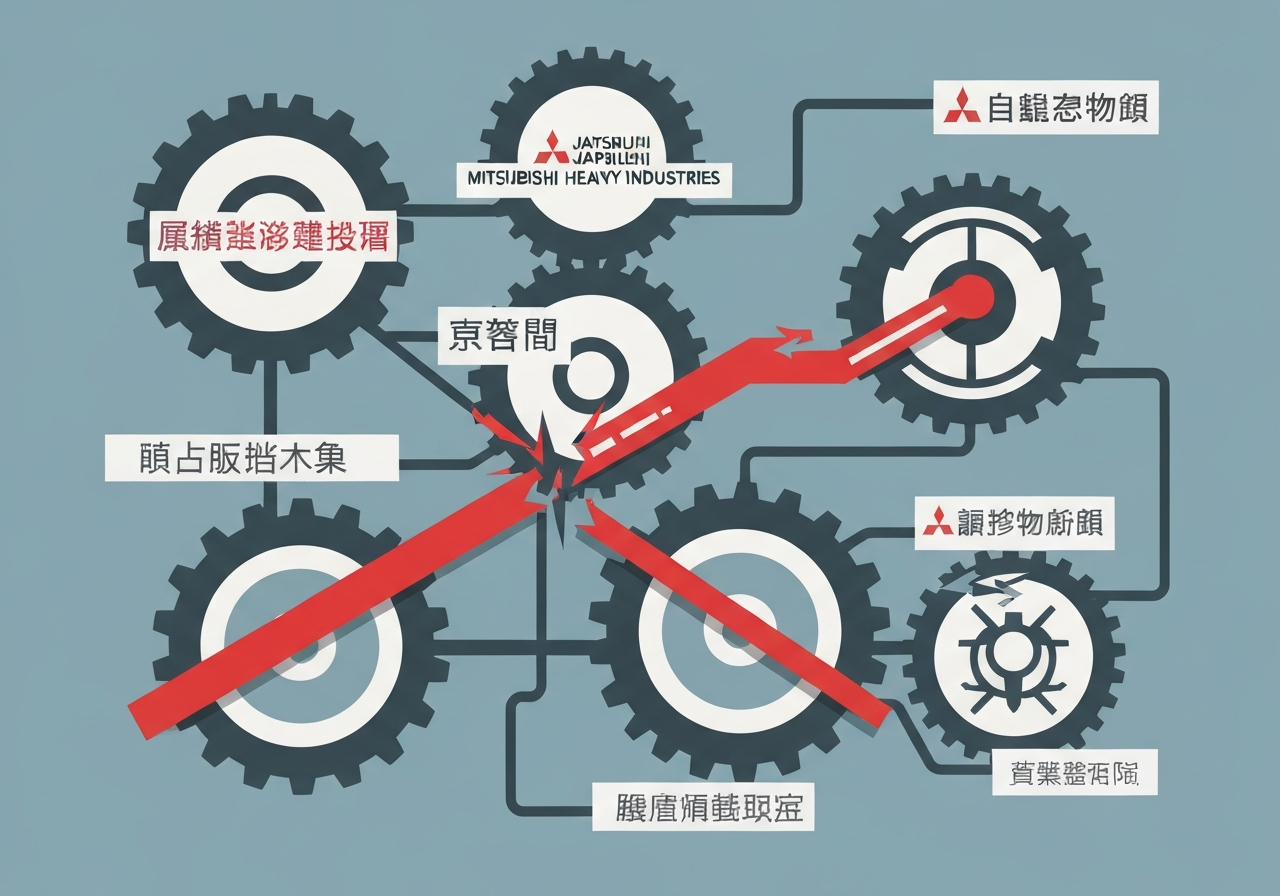
On February 24, 2026, China’s Ministry of Commerce placed 20 Japanese entities on an export-control list and increased scrutiny of additional firms, effective immediately. The action—reported via Bloomberg Terminal—included affiliates of Mitsubishi Heavy Industries and marks the first time Japanese companies have been named since the list debuted in January 2025. Beijing’s move comes amid heightened bilateral friction and shortly after Prime Minister Sanae Takaichi’s landslide election win in Tokyo. The measure signals that pressure on Japan from China is continuing despite recent political changes in Tokyo.
Key Takeaways
- China’s Ministry of Commerce added 20 Japanese entities to an export-control list on February 24, 2026; the change was declared effective immediately.
- The companies include affiliates of Mitsubishi Heavy Industries, the first explicit inclusion of Japanese firms since the list began in January 2025.
- Bloomberg reported the development via its Terminal service; the move also tightened scrutiny on a broader set of firms beyond the 20 named.
- Chinese authorities framed the step as an enforcement of export rules, while analysts see it as part of a sustained pressure campaign on Tokyo.
- The addition could complicate supply chains for equipment and components tied to the affected firms, with potential knock-on effects for defense-related and advanced manufacturing sectors.
- Tokyo’s political shift after Prime Minister Sanae Takaichi’s victory has not, so far, reduced Beijing’s use of trade tools as leverage.
Background
China unveiled its export-control list in January 2025 as part of a broader effort to manage outbound shipments of dual-use and strategically sensitive items. That mechanism allows Beijing to restrict exports to specific foreign entities for national security, foreign policy or economic protection reasons. Until February 24, 2026, the list had not publicly named Japanese companies, reflecting an earlier phase in which targets were primarily firms from other jurisdictions.
Sino-Japanese ties have been strained by territorial disputes, competition in advanced technology, and regional security dynamics in East Asia. Trade and investment remain deeply interwoven—Japan is a major supplier of components used in industries from automobiles to aerospace—so restrictions on exports can have disproportionate downstream effects. Japan’s recent parliamentary election returned Sanae Takaichi with a decisive victory; her administration has emphasized economic resilience and close security cooperation with partners, but those shifts have not forestalled Beijing’s trade measures.
Main Event
On February 24, the Ministry of Commerce announced, via a statement reported to Bloomberg Terminal, that 20 Japanese entities were added to an export-control list and that scrutiny of other firms would be heightened. The statement said the measures are effective immediately, signalling a rapid operational change for exporters and licensing authorities. Bloomberg’s reporting identified affiliates of Mitsubishi Heavy Industries among the named entities, though the full list of companies has not been publicly circulated in the reporting cited.
The decision represents the first time since the list’s January 2025 inception that companies based in Japan were explicitly included. Chinese officials framed the action within routine enforcement of export regulations, but the timing—soon after Japan’s election—and the targeting of prominent industrial affiliates has been interpreted by analysts as a calibrated political signal. Firms affected are likely to face additional licensing hurdles and longer lead times for outbound shipments of controlled items.
Practical effects on cross-border trade will depend on the specific goods and technologies covered by the controls. For firms that rely on Japanese-made components, buyers may encounter delays or need to seek alternative suppliers. Exporters who previously traded under liberal licensing regimes could require new approvals, increasing administrative cost and project uncertainty.
Analysis & Implications
Politically, the move underscores Beijing’s willingness to use economic tools to press policy aims toward neighboring states. Adding Japanese entities to the control list elevates trade instruments into areas of diplomatic signaling; it can be read as leverage over Tokyo as much as a regulatory enforcement step. For Japan, the measure complicates a balancing act between preserving integrated industrial ties and hardening strategic trade and security cooperation with Western partners.
Economically, the immediate disruption is likely to be concentrated and sector-specific rather than systemic—unless China expands the list or imposes complementary trade barriers. Key exposed sectors include advanced machinery, defense-adjacent components, and high-precision manufacturing where a small number of suppliers account for critical inputs. Companies dependent on the named affiliates should expect increased compliance costs and potential delays while assessing alternatives.
On market and investor sentiment, the announcement could prompt short-term volatility for affected firms and suppliers, and raise broader concerns about supply-chain resilience in Japan and among its trading partners. If Beijing’s control list is used selectively in future, firms across the region may accelerate diversification of suppliers, stockpile critical inputs, or re-shore key production steps to reduce exposure.
Comparison & Data
| Milestone | Japanese Firms Named |
|---|---|
| January 2025 (list debut) | 0 |
| February 24, 2026 (latest update) | 20 |
The table shows the discrete change in the export-control list’s composition: no Japanese firms were publicly identified at the list’s launch in January 2025, while 20 were named in the February 24, 2026 update reported by Bloomberg. The numeric change is stark but does not, by itself, reveal which products or technologies are affected—details that determine economic impact. Companies, trade ministries and partner governments will need to parse the specific control descriptions and licensing procedures to assess real-world effects.
Reactions & Quotes
“The Ministry of Commerce added companies including affiliates of Mitsubishi Heavy Industries to an export control list effective immediately,”
Ministry of Commerce (official statement via Bloomberg Terminal)
“This marks the first time Japanese firms were added since the list’s January 2025 debut, signaling continued pressure on Tokyo,”
Bloomberg (news report)
Those statements frame the official and media accounts of the move. Public, detailed responses from affected companies and from Tokyo’s government were limited in the immediate aftermath of the Bloomberg report; officials and firm spokespeople typically require time to review listings and their legal implications before issuing fuller statements.
Unconfirmed
- The complete roster of the 20 named firms beyond affiliates of Mitsubishi Heavy Industries has not been fully published in the source cited.
- The precise product categories and control clauses applied to each named entity were not detailed in the Bloomberg report and remain to be publicly verified.
- Any immediate licensing denials, shipment seizures, or enforcement actions following the listing were not confirmed in the initial reporting.
Bottom Line
China’s February 24, 2026 addition of 20 Japanese entities to an export-control list is a notable escalation in the economic tools Beijing is willing to deploy toward Tokyo. Because the inclusion is the first explicit naming of Japanese firms since the list’s 2025 debut, it raises the political stakes and creates fresh compliance burdens for affected companies and trading partners.
Observers should watch three things closely: the full list of named entities and the technical scope of controls; any reciprocal or compensatory action from Japan or other partners; and whether Beijing expands the list or couples it with further trade measures. Those developments will determine if this step creates temporary disruption or ushers in a longer phase of targeted economic pressure.