
Lead
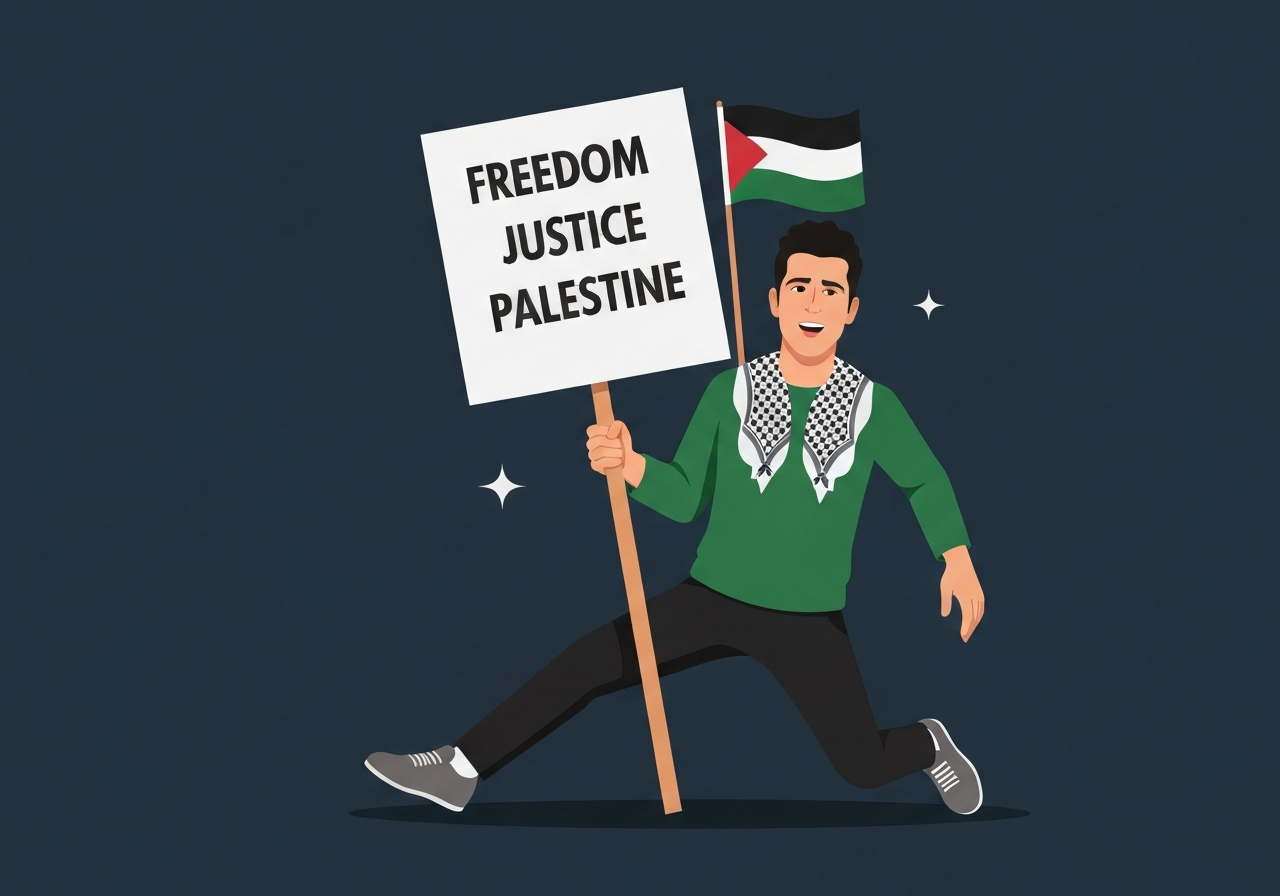
At the world premiere of Scream 7 on Wednesday, director Kevin Williamson commented on a small but visible “Free Palestine” demonstration that unfolded as the cast arrived. The film, directed by Williamson and starring Neve Campbell, opens in theaters Friday amid a fan-led boycott sparked by fallout from Melissa Barrera’s November 2023 firing. Williamson framed the protest as a patriotic exercise of free expression and said he supports protesters’ right to speak. The demonstration is the latest public flashpoint in a year-long controversy surrounding casting, statements and production disruptions.
Key Takeaways
- Kevin Williamson spoke to Deadline at Scream 7’s world premiere on Wednesday and characterized the protest as a lawful exercise of free speech.
- Scream 7 is scheduled to reach U.S. theaters on Friday and features returning lead Neve Campbell among a large ensemble.
- Melissa Barrera was dismissed by Spyglass in November 2023 over social-media posts about the Israel–Hamas conflict; Spyglass cited a zero-tolerance policy for antisemitism and hate speech.
- Following Barrera’s ouster, Jenna Ortega and director Christopher Landon left the project; Ortega said the sequel was unraveling without Barrera and Landon cited threats as a reason for his exit.
- Neve Campbell returned as Sidney Prescott in March 2024; she had skipped Scream VI over pay disputes.
- Public reaction includes both organized calls for a boycott and on-the-ground protest actions, but the overall box-office impact remains uncertain.
Background
The Scream franchise, launched in 1996, has repeatedly navigated controversy and cast turnover, but the current dispute has combined political expression with commercial consequences. In November 2023, Spyglass removed Melissa Barrera from the franchise after she posted about alleged atrocities in the Israel–Hamas war; the company emphasized its opposition to antisemitism and certain forms of speech. That decision triggered a polarized response among fans and industry figures, producing online boycott campaigns and public departures from the production team.
High-profile exits included actress Jenna Ortega and writer-director Christopher Landon, who publicly cited creative and safety concerns respectively. In March 2024 the studio pivoted by bringing Neve Campbell back as Sidney Prescott and hiring Williamson to direct, shifting the film’s trajectory. These moves were interpreted by supporters and critics on both sides as either damage control or capitulation, adding to the broader debate over where studios draw lines between corporate policy and individual expression.
Main Event
At Wednesday’s Los Angeles premiere, a small group of protesters displayed “Free Palestine” signs as talent arrived, according to Deadline’s on-site reporting. Williamson addressed the demonstration directly when speaking with reporters, positioning the protesters’ actions within a constitutional right to speak publicly. The protest did not interrupt the red carpet proceedings, but it drew attention from attendees and media covering the event.
The film’s plot centers on Sidney Prescott (Neve Campbell), who has built a quiet family life before being forced back into survival mode when a new Ghostface emerges to threaten her daughter. The premiere crowd included franchise regulars Courteney Cox and David Arquette, and newcomers Joel McHale, Isabel May and others. Production history—Barrera’s firing, cast departures and the director switch—has followed the project into publicity for the release.
Studio statements earlier about Barrera’s dismissal emphasized corporate policy against hate speech and any content the company judged to cross into that territory. Public reaction online has ranged from calls for boycotts to defenses of the studio’s decision, and the premiere scenes reflected that division in concentrated form. While the red carpet proceeded, the controversy remains a prominent part of the film’s launch narrative.
Analysis & Implications
The intersection of political protest and a high-profile entertainment release highlights how cultural products can become battlegrounds for broader geopolitical debates. For studios, the episode underscores the reputational and commercial risks of social-media controversies involving cast members—especially when statements touch on internationally sensitive conflicts. Executives must balance public-safety considerations, talent relations and corporate policies about acceptable speech.
For filmmakers and talent, the Scream 7 case shows the reputational ripple effects of both public statements and subsequent corporate responses. Some artists argue that firing over political comments chills expression, while others see such actions as necessary to protect communities from hate. The departures of a lead actor and a director earlier in the slate also demonstrate how controversy can translate into personnel instability and creative reshuffling.
Commercially, the boycott campaigns create uncertainty for opening-weekend receipts. Horror franchises often depend on core fan engagement and franchise goodwill; a divided fan base could depress turnout or, alternatively, galvanize curious audiences. International markets and platform licensing deals will be watching early box-office trends closely to gauge longer-term fallout.
Comparison & Data
| Date | Event |
|---|---|
| Nov 2023 | Melissa Barrera dismissed by Spyglass over social posts |
| Late 2023–Early 2024 | Jenna Ortega and Christopher Landon exit the project |
| Mar 2024 | Neve Campbell returns; Kevin Williamson attached as director |
| Feb (Wednesday) | Scream 7 world premiere; on-site “Free Palestine” protest reported |
| Feb (Friday) | Scream 7 scheduled theatrical release |
The timeline shows how personnel and public-relations shifts have clustered over roughly a 15-month span. That concentrated sequence—dismissal, exits, rehiring and premiere protests—has made Scream 7 both a cultural event and a case study in modern entertainment risk management. Box-office and streaming performance over the next weeks will provide empirical data to judge whether the controversy had a material commercial effect.
Reactions & Quotes
Williamson offered a short defense of the protesters’ presence at the premiere, framing it as part of democratic speech rather than an attack on the industry. His remarks were given on the red carpet during media interviews and were not a call to action but an expression of support for public expression.
People in this country are allowed to protest, and they should be heard.
Kevin Williamson, Film Director (paraphrased)
Spyglass’ prior public explanation for Barrera’s removal focused on preventing antisemitic or hateful content within its productions. That company stance has been central to understanding why the firing occurred and why it continues to be disputed publicly, particularly among actors and fans who framed the decision as disproportionate.
The studio said it has no tolerance for antisemitism, Holocaust distortion or speech that crosses into hate.
Spyglass (company statement, paraphrased)
Actors and creators who left the project described a mix of creative, safety and practical concerns. Jenna Ortega told interviewers that losing Barrera changed the project’s dynamics, and Christopher Landon cited threats to his family as a determinative factor in his departure, illustrating how online controversies can generate offline risks.
I felt the sequel was unraveling without the original plan and cast intact.
Jenna Ortega (paraphrased)
Unconfirmed
- There is no confirmed, independent measure yet showing the boycott will materially reduce Scream 7’s opening-weekend grosses.
- It is unconfirmed whether the on-site protesters were organized by a national group or were local individuals acting independently.
- Reports of threats that influenced departures have been described publicly, but details about investigations or law-enforcement outcomes have not been disclosed.
Bottom Line
Scream 7’s launch illustrates how contemporary film releases can be overshadowed by political and social controversies tied to talent statements and studio reactions. Kevin Williamson’s comments at the premiere framed the visible protest as part of democratic expression, but they do not resolve the underlying tensions between public opinion, corporate policy and artistic staffing choices.
In the coming weeks, box-office figures, home-market reactions and international licensing deals will determine whether the controversy meaningfully alters the franchise’s commercial trajectory. For studios and creators alike, this episode is a reminder that in a connected media environment, political expression and entertainment product cycles are increasingly entangled.