
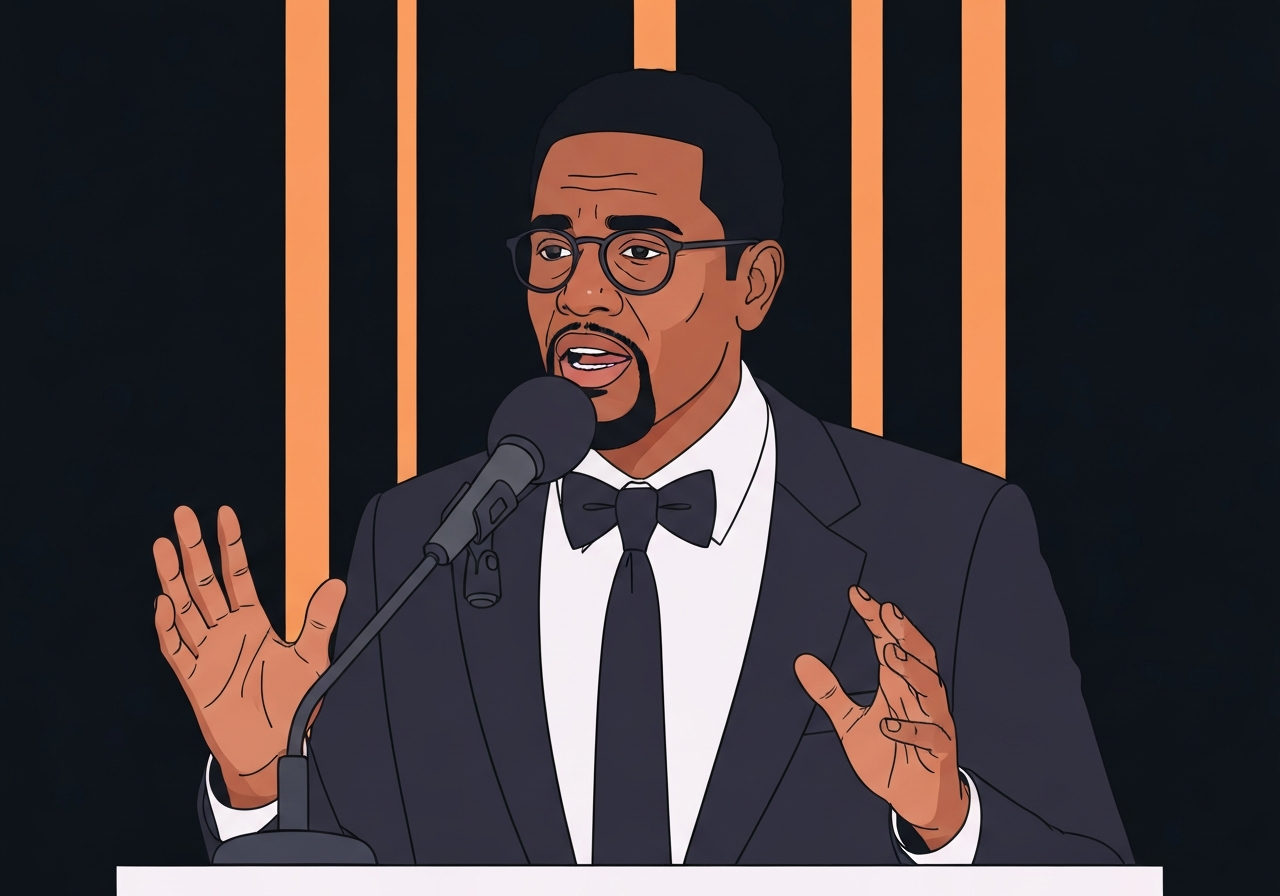
Actor Delroy Lindo publicly addressed the racial slur that was directed at him and co-star Michael B. Jordan during the British Academy Film Awards last weekend, thanking supporters at the NAACP Impact Awards on Saturday night. Lindo said he and Jordan appreciate the outpouring of solidarity following the incident and described the reception at the NAACP event as meaningful. The appearance included a standing ovation; Jordan was seen smiling and applauding from the audience. Lindo framed the episode as a moment that, despite its negativity, has yielded community support and constructive attention.
Key Takeaways
- Delroy Lindo spoke publicly at the NAACP Impact Awards on Saturday, expressing gratitude for support after the BAFTAs incident.
- The incident at the British Academy Film Awards occurred while Lindo and Michael B. Jordan were presenting the award for best visual effects.
- John Davidson, an executive producer of the film “I Swear” and a Tourette syndrome activist, shouted during the presentation; he later told Variety his tics began and said he felt shame and embarrassment.
- BAFTA and the BBC faced criticism for not removing the racial slur from the broadcast, which aired on a two-hour delay.
- Industry figures reacted strongly: actor Jamie Foxx described the event as “unacceptable,” and BAFTA jury member Jonte Richardson resigned in protest.
- Lindo characterized the NAACP event as an “honor” and said the community support turned a negative episode into a positive experience for him and his co-star.
Background
The exchange unfolded during the BAFTAs, a high-profile awards ceremony that draws international industry attention. Lindo and Jordan were presenting the opening award for best visual effects when an audience member interrupted the stage. The person later identified as John Davidson is publicly associated with a film about his Tourette syndrome diagnosis at 25; his presence at the ceremony was in his capacity as executive producer of that film.
The BAFTAs have historically prioritized ceremony decorum and broadcast standards; this incident has reopened debates about live-event moderation and editorial responsibility for delayed telecasts. The BBC, which distributes the ceremony, and BAFTA, the organizing body, were scrutinized for allowing the slur to remain in the version of the program that aired to viewers despite the delay. The controversy quickly attracted comment from peers, activists and participants in the film community.
Main Event
During the BAFTAs presentation, Lindo and Jordan paused after a racial slur was shouted from the audience. They then resumed their role and completed the award presentation. Footage circulated widely on social platforms and in news reports, prompting immediate public discussion about both the utterance and the ceremony’s handling of it.
John Davidson later spoke to Variety, describing that his Tourette-related tics began at the ceremony and that he experienced intense shame and embarrassment afterward. Davidson’s account has been reported alongside statements that he was attending in connection with his film “I Swear,” which documents his Tourette diagnosis and its effects on his life.
At the NAACP Impact Awards a few days later, Lindo publicly thanked those who had reached out to him and Jordan. He described being moved by the solidarity shown by peers and community members and called the evening an honor. Jordan, present in the audience, acknowledged Lindo with smiles and applause when Lindo received a standing ovation.
Analysis & Implications
The incident highlights tensions between individual behavior, disability considerations and accountability. Davidson’s reported explanation that his outburst was related to Tourette symptoms complicates public reaction: the claim raises questions about intent and culpability while also invoking sensitivity toward neurological disorders. Public response has therefore had to balance condemnation of racist language with understanding for medical conditions that can cause involuntary vocalizations.
Institutional response is another focal point. BAFTA and the BBC’s decision not to excise the slur from the delayed broadcast drew criticism from artists and audiences who expected editorial intervention. That criticism has reputational implications for both organizations and has prompted at least one resignation from within BAFTA ranks, signaling internal and external pressure for policy review.
For Lindo and Jordan, the broader outcome so far has been substantial public support. High-profile backing can shift the narrative away from the interruption itself toward solidarity and calls for stronger safeguards at live events. The episode may encourage awards shows and broadcasters to reexamine delay procedures, on-site security, and post-event editorial standards to prevent similar occurrences or to manage them more decisively when they happen.
Comparison & Data
| Moment | Reported Detail |
|---|---|
| BAFTAs interruption | Slur shouted while Lindo and Jordan presented; incident captured on video |
| Public response | Immediate industry condemnation; social media amplification |
| Broadcast handling | Two-hour delayed broadcast; slur remained in aired version |
The table above summarizes the sequence: the on-stage interruption, the rapid public reaction, and the contested editorial choice by the broadcaster and ceremony organizers. Contextualizing these elements helps explain why the incident moved quickly from an isolated interruption to a broader conversation about broadcast policy, disability awareness and institutional accountability.
Reactions & Quotes
Official and public reactions spanned empathy for those affected, calls for accountability, and calls for compassion toward disability-related explanations. Below are representative comments and their immediate context.
“We appreciate all the support and the love that we have been shown in the aftermath of what happened last weekend.”
Delroy Lindo, NAACP Impact Awards
This remark came as Lindo opened his brief remarks at the NAACP event, signaling gratitude and framing the response as communal solidarity rather than solely personal grievance.
“I felt shame and embarrassment consume me as my tics began during the ceremony.”
John Davidson, interviewed by Variety
Davidson’s statement to Variety described his experience at the ceremony and provided a personal account that many observers have cited when discussing intent and involuntary behavior.
“Unacceptable.”
Jamie Foxx, public comment
Actor Jamie Foxx used a single-word rebuke to express his disapproval, reflecting the strong reactions within the entertainment community and the expectation that racist language should not be tolerated in public forums.
Unconfirmed
- Whether the racial slur was an involuntary vocal tic remains a contested and partially verified claim; Davidson has described involuntary tics, but intent has not been independently established.
- It is not publicly confirmed whether the BBC or BAFTA reviewed alternative edits that would have excised the slur before airing the delayed broadcast.
Bottom Line
The episode served as an inflection point that combined disability considerations with urgent demands for accountability over racist language at a major awards ceremony. Delroy Lindo’s public remarks emphasized gratitude for support and reframed the aftermath as a moment of community solidarity rather than solely a personal affront.
Institutionally, the controversy is likely to prompt internal reviews at BAFTA and among broadcasters about how delayed telecasts are monitored and edited, and how on-site disruptions are managed. For the film community and audiences alike, the event underscores the need to balance compassion for medical conditions with zero tolerance for racially abusive language in public spaces.