
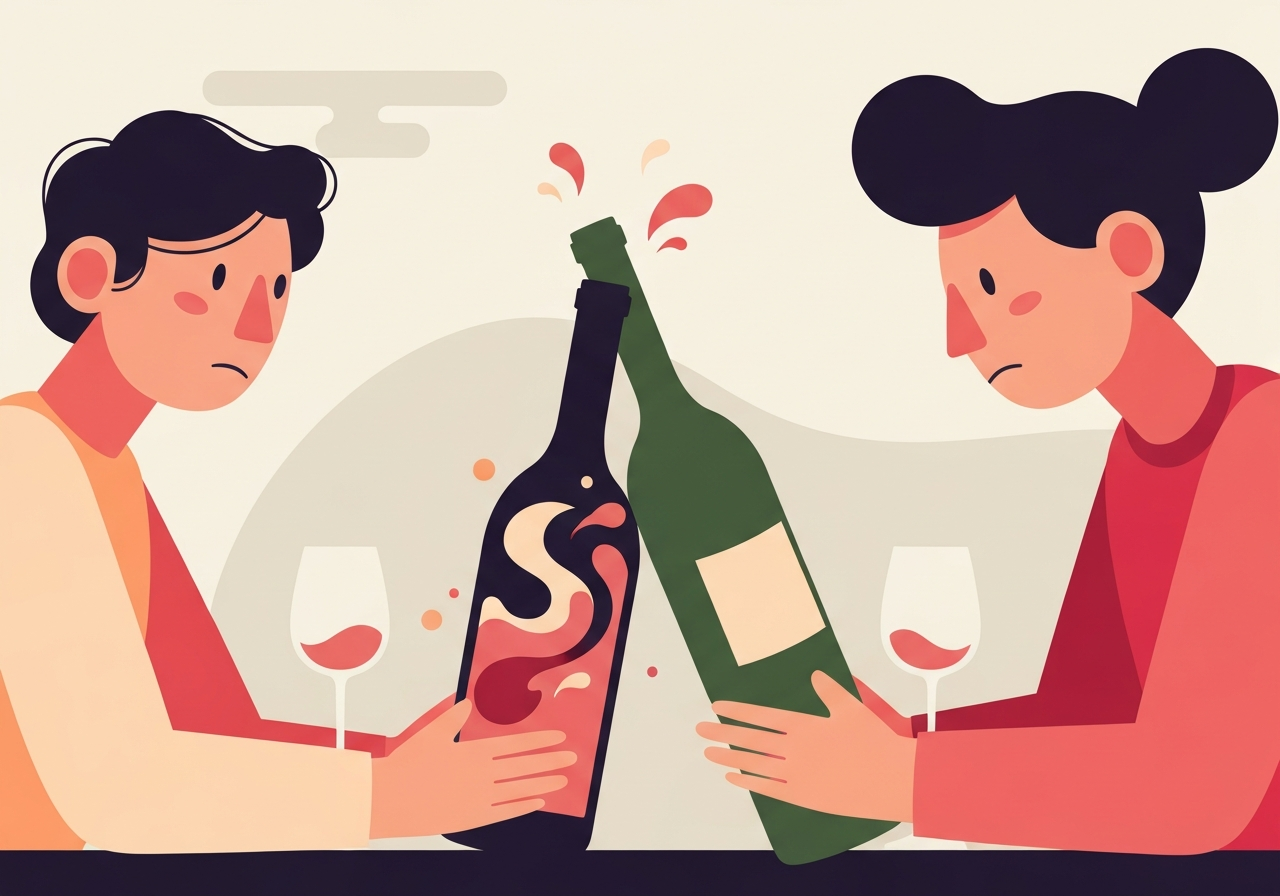
Ali Domrongchai, writing in Wine Enthusiast, argues that the old habit of sharing a bottle of wine is waning among Gen Z. She links the decline to broader generational shifts in drinking patterns and lifestyle priorities, and suggests that the loss matters beyond alcohol consumption because the ritual fosters extended, attentive social connection. Interviews with several people in their 20s and a wine educator underscore how unhurried evenings and small, repeated gestures around a bottle create intimacy. The piece frames the fading custom as part of a cultural move toward optimization and shorter, more transactional social encounters.
Key Takeaways
- Gen Z is drinking less than previous generations, a trend cited as a major reason the shared-bottle ritual is less common.
- Domrongchai reports conversations with multiple 20-somethings who say they encounter fewer long, lingering evenings centered on a single bottle.
- Wine educator Tyler Balliet tells the author that a shared bottle encourages focused, phone-free attention on companions.
- The article highlights micro-rituals — topping up the same glass or dividing the last pour — as simple acts that accumulate into felt intimacy.
- Some young people prioritize sobriety or moderation for health or productivity reasons, which may reduce occasions for shared drinking.
- The author frames the decline as a cultural shift toward efficiency and optimization that shortens social rituals.
Background
The ritual of opening and sharing a bottle has a long history in many social cultures as a marker of hospitality and sustained conversation. Over recent years the United States and several other markets have seen documented declines in drinking among younger adults; commentators point to changes in health awareness, cost, and leisure habits. Wine as a social device historically signaled an intention to linger — a bottle implies time, refills and a shared arc to an evening, distinguishing it from single-drink or on-the-go interactions. Advocates for reduced drinking often emphasize individual health benefits, while observers of social life note potential trade-offs in communal bonding opportunities.
Generational shifts in technology use and time pressures also shape how people socialize: shorter meetups, increased screen attention, and calendar-driven optimization can discourage unstructured gatherings. The wine-sharing ritual, by contrast, presumes a slower tempo and attention to small, repeated gestures that communicate care. Stakeholders include beverage professionals, health advocates promoting moderation, and younger consumers balancing social life with career and wellness goals. Past reporting and academic studies on alcohol trends provide context for anecdotal accounts like those Domrongchai collects.
Main Event
Domrongchai’s feature centers on interviews with peers in their 20s who describe fewer instances of shared-bottle evenings compared with what older generations recall. She notes the practical reasons cited: lower overall drinking rates, cost concerns, and a preference among some for planned, time-limited gatherings. The author also spoke with wine educator Tyler Balliet, who emphasized that a bottle structures a longer encounter and nudges people away from distractions like phones. According to the piece, the small acts around a bottle — refilling a glass, asking if someone wants another pour, dividing the last taste — become connective practices that build closeness over time.
The article balances these first-person accounts with the interpretive claim that a culture focused on optimization may find extended ritual inconvenient. Domrongchai frames the decline not as a moral failing but as a change in what people want from social time: efficiency, control, or sobriety in the name of health and productivity. She positions the fading ritual as both a consequence and a symbol of wider social transformation in how young adults allocate attention and time. The narrative treats the ritual as valuable primarily for its capacity to create sustained attention and emotional openness.
Analysis & Implications
The decline of shared-bottle evenings touches on several social dynamics. First, when collective rituals contract, opportunities for deep interpersonal exchange may shrink; rituals create predictable scaffolding for conversation and mutual vulnerability. If Gen Z continues to drink less, social occasions built around alcohol will likely evolve into different forms — for example, longer daytime activities, sober gatherings, or structured social apps that simulate lingering interaction. Each alternative carries its own trade-offs for intimacy and spontaneity.
Second, the debate between abstinence-driven health gains and the psychosocial benefits of certain social rituals is complex and not zero-sum. Public-health messaging that highlights reduced alcohol harms contributes to lower consumption, but it does not automatically replace the social functions that some rituals serve. Policymakers and community organizers aiming to preserve social cohesion might consider promoting alternative rituals that encourage sustained attention without alcohol.
Third, economic and technological factors amplify the trend. Rising living costs make shared bottles less affordable for some, while time-scarce schedules and digital distractions reduce tolerance for open-ended social time. The cultural premium on optimization — squeezing more value from fewer hours — encourages interactions that are planned, efficient, and often shorter, changing the architecture of friendship and dating. Internationally, where wine-sharing remains central to dining cultures, the shift may be less pronounced, suggesting a patchwork of outcomes rather than a universal decline.
Reactions & Quotes
“Sitting down with a bottle often means you give someone sustained, undivided attention — less focus on phones and more on the person across from you,”
Tyler Balliet, wine educator (paraphrased)
Balliet’s observation in the feature links the physical act of sharing wine with a deliberate shift in attention and posture toward someone else, a key claim underpinning Domrongchai’s argument.
“Small acts — refilling the same glass, asking for another pour, splitting the last taste — act as micro-negotiations that build attentiveness and closeness,”
Ali Domrongchai, Wine Enthusiast contributor (paraphrased)
Domrongchai frames these tiny rituals as cumulative: not dramatic signals but repeated choices that scaffold intimacy over an evening.
“Younger drinkers report fewer long, bottle-centered evenings; many cite health, cost, or scheduling as reasons,”
Multiple 20-somethings interviewed (paraphrased)
The young people she spoke with offer pragmatic explanations that align with broader survey trends in reduced youth drinking.
Unconfirmed
- The precise scale of the ritual’s decline across all regions and social groups is not established here; evidence in the feature is largely anecdotal and illustrative.
- Direct causal links between lower drinking rates and a reduction in intimacy are interpreted rather than proven; other factors such as digital habits and economic pressures may play equal or larger roles.
- The long-term social consequences of replacing bottle-centered rituals with alternative practices remain speculative and depend on which alternatives gain traction.
Bottom Line
Domrongchai’s piece highlights a small cultural shift with outsized symbolic meaning: as Gen Z drinks less, some shared rituals tied to prolonged, attentive socializing are becoming rarer. That change matters not only for beverage industries but for how people create time and space for connection. Observers should separate the health benefits of reduced alcohol use from the social value of certain rituals and consider ways to preserve opportunities for lingering attention in sober or low-alcohol formats.
For readers and community leaders, the practical takeaway is to be intentional about designing social moments that allow for undistracted presence: invitations that signal time to stay, small recurring gestures that build rapport, and environments that discourage quick-check phone habits. Whether through a bottle, a shared meal, or another ritual, the broader question is how to sustain practices that foster lasting social bonds.
Sources
- Newser — news aggregator summary of the Wine Enthusiast feature (media)
- Wine Enthusiast — original feature by Ali Domrongchai (magazine/feature)