
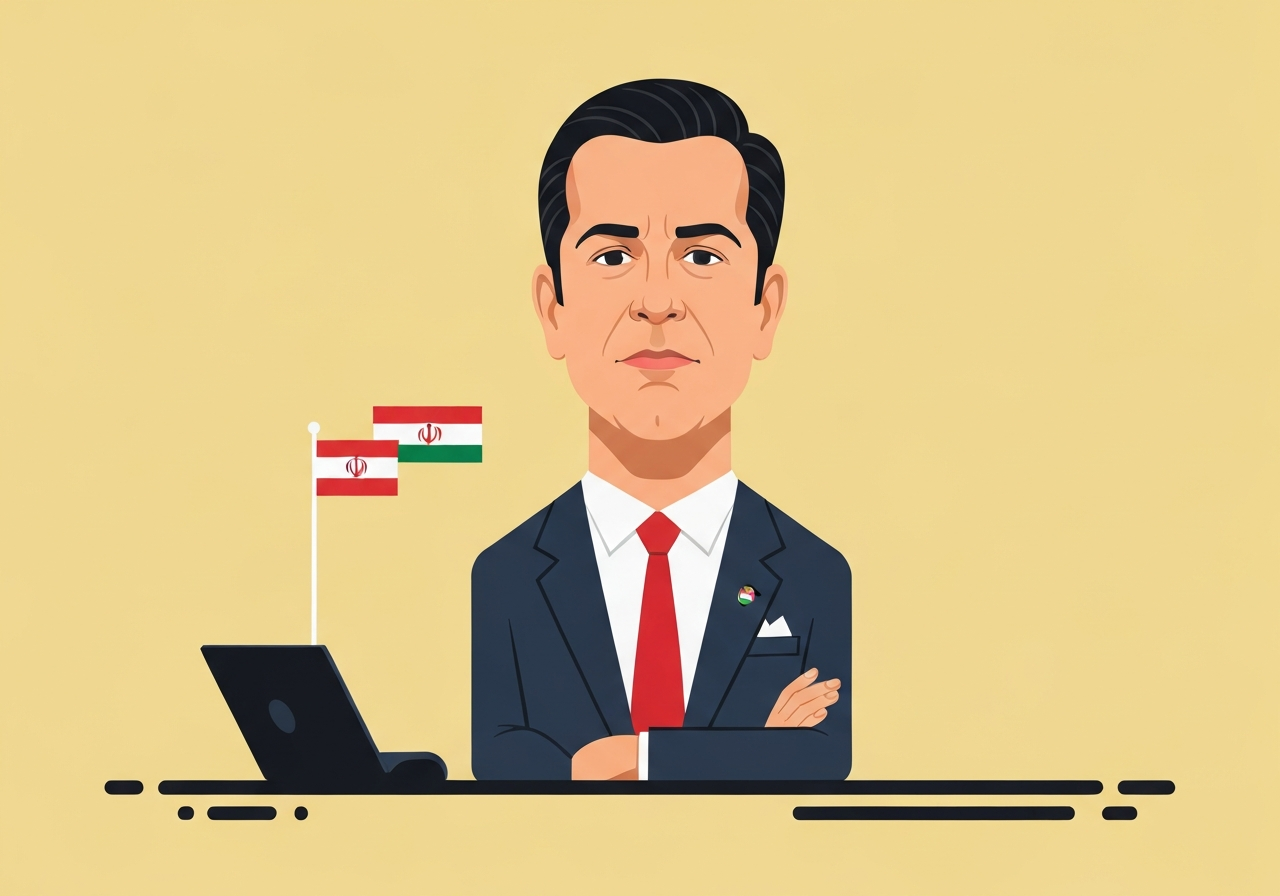
On March 8, 2026, Saturday Night Live opened with a C-SPAN–style press briefing in which Colin Jost appeared as a fictionalized defense secretary, Pete Hegseth, lampooning the escalating U.S.-Iran confrontation. The sketch, hosted by Ryan Gosling with musical guest Gorillaz, turned tense geopolitical headlines into broad physical and verbal parody, including a gag in which the character emerges from a keg stunt. Audience laughter followed pointed lines that reframed armed clashes as a comic “situationship,” highlighting how late-night satire is interpreting and refracting real-world friction.
Key Takeaways
- The sketch aired March 8, 2026, as the cold open on Saturday Night Live hosted by Ryan Gosling, with Gorillaz as the musical guest.
- Colin Jost portrayed Pete Hegseth in a recurring, exaggerated role, depicting him as the U.S. defense secretary answering questions about the Iran situation.
- The scene used visual gags (a keg stunt) and jocular metaphors—including a line casting the conflict as a “situationship”—to compress complex foreign-policy issues into comedy beats.
- S.N.L. framed military actions in the sketch (torpedoing naval vessels, exaggerated retaliations) as comic set pieces, not as reportage of verified events.
- The segment replaced James Austin Johnson’s Trump impression for this episode, shifting the focus from presidential mimicry to an alternate administration figure.
- Viewer reaction online mixed amusement with concern; critics noted the sketch’s tension between making light of military escalation and holding leaders to account.
Background
Saturday Night Live has long used the cold open to satirize current events, turning news cycles into compact performances that reach millions. Political figures and policy flashpoints are regular targets; S.N.L.’s sketches often translate diplomatic complexity into character-driven jokes that both mock and clarify public narratives. In March 2026, rising tensions between the United States and Iran were widely covered in the press, creating fertile ground for late-night commentary.
Pete Hegseth, a conservative commentator and former candidate for public office, has been portrayed variously in comedy and commentary; S.N.L. here elevated him to a fictional cabinet post for the sake of the sketch. Colin Jost’s Weekend Update persona has previously been adapted into recurring characters, and the show’s makers frequently recast which real-world figure is lampooned depending on what yields the strongest satirical payoff. That editorial choice—placing a familiar comedian in a different political role—shifts the sketch’s target from a single politician to broader institutional attitudes.
Main Event
The cold open resembled a televised press briefing: a podium, a stilted moderator, and Jost’s Hegseth fielding offbeat questions on escalating hostilities around Iran. The performance opened with a physical gag—Jost staggering out of a party-style stunt—before pivoting into policy lampoon. The contrast between juvenile stage business and high-stakes subject matter set the tone for the sketch’s satire.
Throughout, Jost’s lines compressed foreign-policy maneuvers into digestible comedic images: naval skirmishes became punchlines and bureaucratic evasions turned into absurd metaphors. The sketch deliberately blurred the line between military terminology and playground taunts to spotlight how rhetoric can trivialize grave matters. Audience reaction—laughter, applause—punctuated the performance, underlining S.N.L.’s aim to entertain while critiquing public messaging.
Production choices amplified the satire: timing, sound cues, and a mock-serious question-and-answer rhythm reinforced the impression that officials sometimes speak past the underlying realities of conflict. The episode notably sidestepped extended straight reporting, relying instead on shorthand and caricature to make its point about communication and credibility in wartime scenarios.
Analysis & Implications
Satire like S.N.L.’s functions on two registers: it lampoons those in power and it shapes audience perception. By presenting a defense official who treats military escalation as a punchline, the sketch invites viewers to question whether political rhetoric is being used to normalize or obscure the costs of conflict. This framing can sharpen democratic scrutiny, but it also risks making serious policy choices seem like fodder for entertainment rather than civic debate.
Comedic reduction of complex foreign-policy dynamics carries trade-offs. On one hand, metaphor and exaggeration can expose hypocrisy or absurdity that formal analysis misses; on the other, they can oversimplify causation and consequence. For international audiences and diplomats, such portrayals may be read as part of the public mood in the United States, affecting soft-power narratives even if the sketch itself is not a policy statement.
Domestically, S.N.L.’s reach means these sketches contribute to how citizens encode recent events into memory. Repeated comedic frames can influence what aspects of a situation stick—tone, perceived competence, emotional valence—potentially altering the public appetite for or against escalation. Looking ahead, late-night satire is likely to continue serving as both mirror and amplifier of political signaling around Iran and other flashpoints.
Reactions & Quotes
“We’re treating the situation like an overlit party stunt,”
Colin Jost as Pete Hegseth, S.N.L. cold open, March 8, 2026
“The sketch reduced escalatory language to punchlines while prompting viewers to laugh and think about who is shaping the narrative,”
Viewer reaction summarized from social commentary
Unconfirmed
- No official U.S. Department of Defense response to the sketch had been issued at the time of publication; any claim of a formal reaction is unconfirmed.
- Whether the sketch altered public opinion on specific policy measures concerning Iran is not established and would require polling to verify.
Bottom Line
Saturday Night Live’s March 8 cold open used familiar late-night tools—character, exaggeration, and spectacle—to reframe U.S.-Iran tensions in comedic terms. Colin Jost’s portrayal of a fictionalized Pete Hegseth made deliberate rhetorical choices that drew attention to how political language can sanitize or trivialize conflict. Viewers received the segment as entertainment, but its framing also serves as a lens through which civic audiences interpret real policy debates.
Going forward, observers should watch how late-night satire interacts with news coverage and official prose: repeated comic frames shape public memory and, indirectly, political pressure. For policymakers and citizens alike, the key takeaway is to treat such sketches as influential commentary—important for what they reveal about public sentiment, but not substitutes for detailed reporting or official explanation.