
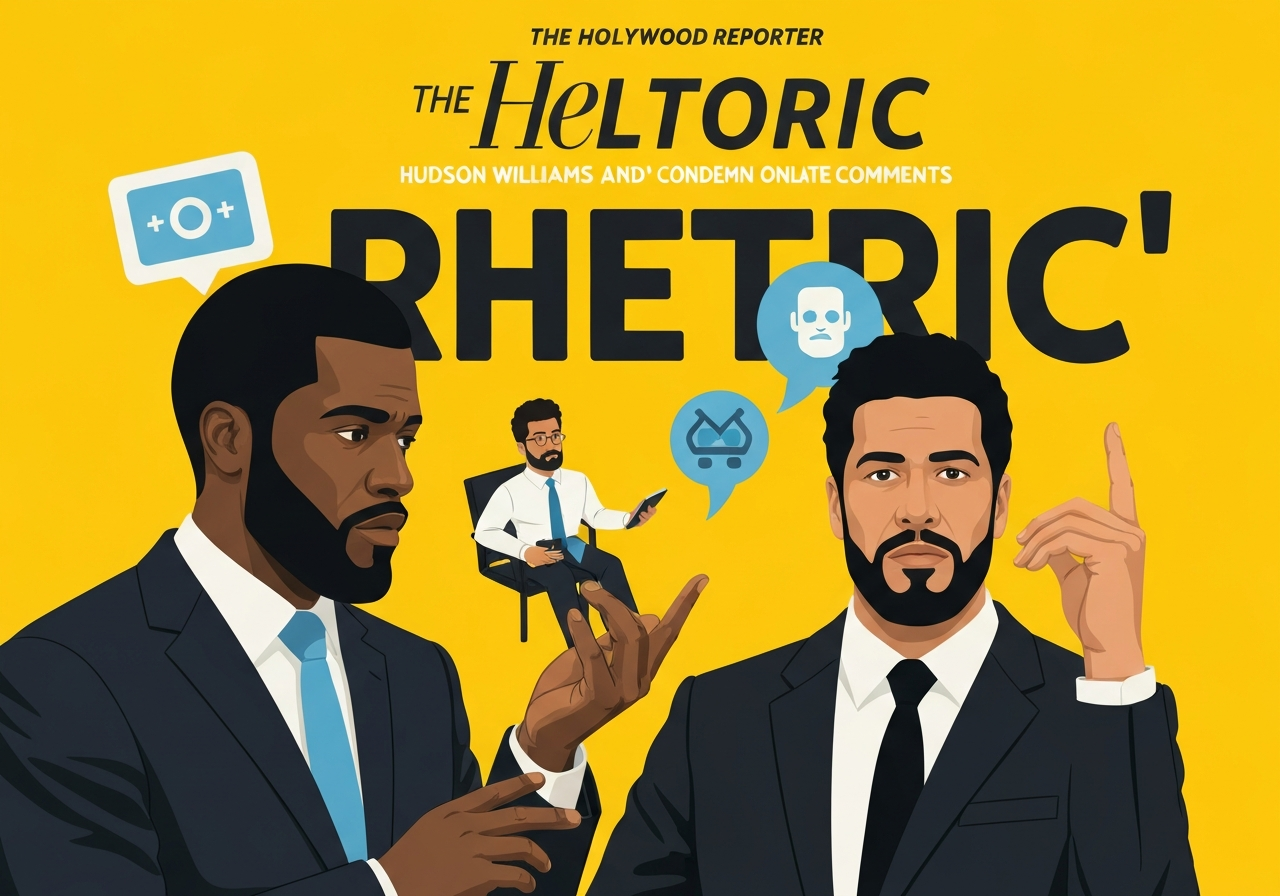
Lead: Just after 3 p.m. PT on Monday, Heated Rivalry actors Hudson Williams and François Arnaud posted identical Instagram stories calling out hateful comments aimed at the show’s cast. The messages targeted social-media users who leave racist, homophobic, biphobic, misogynist, ageist, ableist or otherwise bigoted remarks and warned that such behavior is not compatible with fandom. Both performers stressed that cast members support one another and rejected attempts to pit colleagues against each other. Additional social-media replies from Williams, Arnaud and co-star Ksenia Daniela Kharlamova followed through the day.
Key Takeaways
- Williams and Arnaud published matching Instagram stories just after 3 p.m. PT on Monday directly confronting online hate directed at the cast.
- The statement listed multiple forms of abuse—racist, homophobic, biphobic, misogynist, ageist, ableist and parasocial bigotry—and told perpetrators they were not true fans.
- Both actors emphasized cast unity, with an explicit admonition that anyone who cannot accept that should leave the fandom (using the phrasing “gtfoh”).
- Williams later commented on Threads saying the statement was Arnaud’s idea and that he helped draft it; he also noted he generally does not read comment threads.
- Arnaud replied to Instagram comments, reinforcing the original message and pushing back on hateful replies.
- Several cast members and creative-team members reshared the post; Ksenia Daniela Kharlamova added posts defending women’s professional achievements and urging fans not to weaponize the show’s themes.
- Publishers updated the report at 9:41 p.m. PT to include additional comments from Williams, Arnaud and Kharlamova.
Background
Heated Rivalry is a drama series whose cast and creative team have been publicly active on social media since the show’s release. The program’s promotional cycle and fan engagement have, as with many contemporary properties, produced intense online conversations and sometimes toxic behavior from a subset of followers. In recent months, cast members have occasionally faced targeted criticism that blurs fiction and real life, a pattern that media researchers and industry PR teams have flagged as concerning.
Parasocial dynamics—where fans develop one-sided attachments to performers—can amplify small controversies into sustained harassment campaigns. Producers and performers increasingly find themselves responding directly to online abuse, both to protect colleagues and to manage the show’s public image. In this instance, three lead cast members coordinated responses that framed the problem as broader cultural misconduct, not an interpersonal dispute within the cast.
Main Event
Shortly after 3 p.m. PT on Monday, Hudson Williams and François Arnaud posted identical Instagram story images addressing the people leaving hateful messages about the show and its cast. The posts explicitly listed categories of abusive behavior—racist, homophobic, biphobic, misogynist, ageist and ableist—and called out parasocial bigotry, telling offenders they did not qualify as fans. Both actors underscored that such comments create false narratives and can harm real people connected to the project.
Williams, who portrays Shane Hollander, later commented on Threads to clarify his involvement. He wrote that the idea originated with Arnaud, that he helped draft the message and that he typically does not scroll comment sections, saying he had been watching figure-skating highlights when the issue arose. Arnaud, who plays Scott Hunter, responded to several Instagram replies, using the platform to reiterate the original warning and to tell abusive commenters to leave.
Multiple cast members and people from the creative team reposted the statement over the following hours. Co-star Ksenia Daniela Kharlamova shared the message and added that the show—framed around love—should not be used as cover for online hatred. In a separate post on Sunday marking Women’s Day, Kharlamova urged recognition of women’s professional contributions at industry events and asked followers not to reduce their presence to the result of male invitations.
Kharlamova followed up again to correct readers who had used her post to criticize male colleagues, clarifying that her intent was to celebrate women’s work rather than attack other cast members. The reporting was updated at 9:41 p.m. PT to include these subsequent clarifications and additional social-media responses from Williams and Arnaud.
Analysis & Implications
The actors’ coordinated pushback highlights a growing pattern in entertainment: performers taking direct control of public narratives to counteract abusive fandom behavior. By issuing a joint, unambiguous statement, Williams and Arnaud attempted to close off attempts to manufacture intra-cast conflict and to shift focus back to the show’s creative aims. That approach can blunt rumor-spreading but also risks keeping the controversy in the headlines longer, depending on how audiences and press respond.
For producers and PR teams, the episode underscores the need for proactive moderation strategies and clearer boundaries around cast treatment online. Studios increasingly advise talent on how to respond to harassment; a unified cast statement can be an effective tactic but must be paired with behind-the-scenes moderation and, where necessary, platform reporting. The use of blunt language like “gtfoh” signals frustration and may deter some abusers, but it can also polarize discourse among more moderate fans.
There are reputational and mental-health implications as well. Persistent online abuse affects performers’ wellbeing and can complicate publicity plans, red-carpet events and interviews. The cast’s insistence on mutual support sends an internal signal of solidarity that can help mitigate morale impacts, though it does not eliminate the underlying dynamics that produce harassment—such as anonymity, algorithmic amplification and identity-based prejudice.
Comparison & Data
| Actor | Character |
|---|---|
| Hudson Williams | Shane Hollander |
| François Arnaud | Scott Hunter |
| Ksenia Daniela Kharlamova | Co-star (unnamed role in piece) |
The table lists the principal performers mentioned in the public posts and their roles as reported. While the article does not quantify the volume of abusive messages, the coordinated response and multiple reposts indicate the cast viewed the problem as substantive enough to address publicly. Without platform-provided moderation data, precise counts of hateful comments are not available to reporters.
Reactions & Quotes
Cast members offered short public explanations and rebukes; context before and after each quote clarifies intent rather than relying on isolated soundbites.
“It was Francois’ idea and I helped write it! I don’t scroll comments so I did not see the hate.”
Hudson Williams (Threads comment)
Williams’ note framed his role in drafting the statement and explained his personal habit of avoiding comment threads, signaling he was not reacting in real time to specific posts. That comment aimed to show unity while distancing him from the daily churn of online abuse.
“Racists and haters of all kinds gtfoh.”
François Arnaud (Instagram replies)
Arnaud used a blunt admonition in reply to Instagram commenters; the phrasing echoed the original story’s admonition and served to reiterate the cast’s rejection of hate speech directly to individuals engaging in it.
“Please don’t make a show that’s about love be hateful online. So much love was poured into this project… We’re not characters and neither are our real friends, partners, family and making up false narratives about us isn’t ‘love.'”
Ksenia Daniela Kharlamova (Instagram repost)
Kharlamova’s repost placed the controversy in the context of the show’s themes and underscored the distinction between fictional roles and actors’ real lives, asking fans to respect contributors and their families.
Unconfirmed
- No independent count has been published verifying how many hateful comments were posted; volume estimates remain unconfirmed.
- Reports that any member of the cast leaked private information to fuel the dispute are unsupported by available evidence.
- There is no official statement from the show’s studio included in reporting as of the last update; any studio position is therefore unconfirmed.
Bottom Line
The public rebuke from Hudson Williams, François Arnaud and supportive cast members reframed online hostility as unacceptable and sought to protect colleagues and the show’s creative intent. Their coordinated message prioritized solidarity and named the types of abuse they will not tolerate, placing accountability on individual commenters and on broader fan culture.
Going forward, producers and talent will likely continue to balance direct public responses with behind-the-scenes moderation and platform reporting. For audiences and platforms, the episode is a reminder that fandom energy can be constructive or destructive—and that clear, unified rebuttals from creators and cast can shift the conversation but do not by themselves solve the structural drivers of online hate.
Sources
- The Hollywood Reporter — Entertainment press report (original coverage of social-media statements)