
Lead
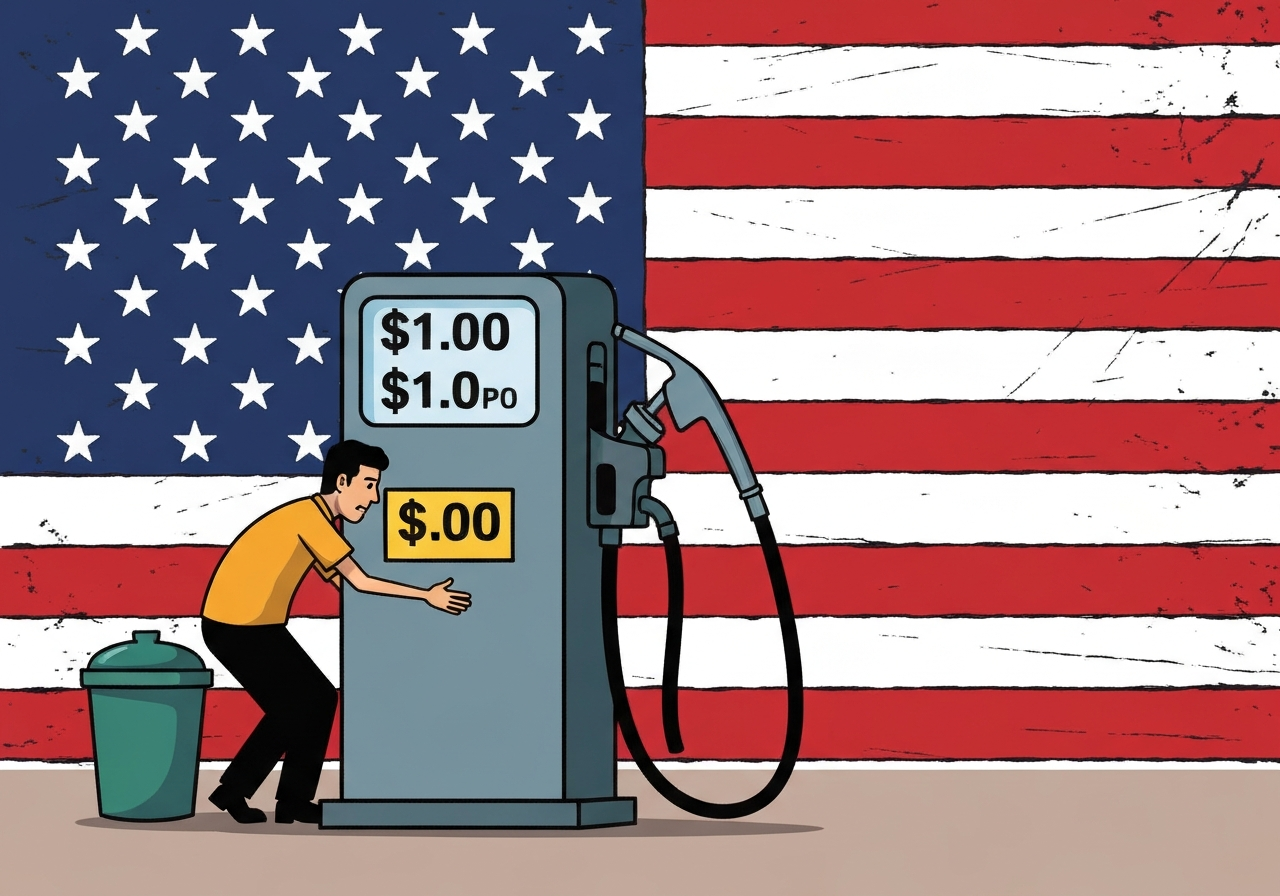
As the U.S.-led conflict with Iran entered its second week, Americans faced a sharp jump in fuel costs that is squeezing household budgets nationwide. On March 10, 2026, the national average price of gasoline reached $3.48 a gallon, according to AAA, reflecting supply disruptions tied to Persian Gulf oil flows. Independent drivers and commuters from Birmingham to California described rapid, recent increases — for some, a nearly 17 percent rise since Feb. 28 — that are forcing changes in routes, schedules and spending. The result: energy costs are again adding upward pressure to the cost of living at a time many households remain financially stretched.
Key Takeaways
- National average gasoline price hit $3.48 per gallon on Monday, March 10, 2026, per AAA data.
- U.S. pump prices have climbed about 17% since Feb. 28, the day the United States and Israel launched strikes on Iran.
- Crude oil briefly topped $100 a barrel on March 10 as tanker movements in the Persian Gulf slowed, cutting roughly one-fifth of globe-spanning supply routes.
- Ride-share drivers and independent contractors report immediate out-of-pocket pain — one Birmingham delivery driver paid $2.89 per gallon on March 9, up from $2.60 a week earlier.
- Diesel and jet fuel have risen alongside gasoline, adding costs for freight, aviation and supply chains that could filter into broader consumer prices.
- Regionally, the highest retail prices remain in California and other western states, where taxes and local market conditions amplify global shocks.
- Short-term policy options include Strategic Petroleum Reserve releases and diplomatic moves; longer-term responses hinge on how sustained the disruption in Persian Gulf shipments proves.
Background
The recent spike in fuel prices is rooted in disruptions to crude flows from the Persian Gulf after a series of attacks and counterstrikes beginning in late February. Tankers that customarily transit the Strait of Hormuz and adjacent routes were delayed or rerouted, reducing effective daily supply to world markets. Global oil markets are sensitive to relatively small changes in tanker availability because the Gulf accounts for a substantial share of seaborne crude exports.
U.S. consumers felt the impact quickly. Retail gasoline is the downstream visible point of a long supply chain that includes crude extraction, shipping, refining and local distribution; bottlenecks or risk premiums added at any stage can raise pump prices. The current period follows a stretch of elevated prices in 2024 and comes while many households have seen wage growth lag behind living costs. Key stakeholders include independent gig workers, trucking fleets, airlines, and policy-makers weighing emergency interventions.
Main Event
On Monday, March 10, AAA reported the national average for regular gasoline at $3.48 per gallon. The jump coincided with headlines that oil prices had breached $100 per barrel earlier that day as attacks around oil infrastructure intensified. Industry sources said some cargoes were delayed or cancelled as insurers and operators reassessed transit risk through the Gulf region.
In Birmingham, Ala., 41-year-old delivery driver Brandon Moore said he adjusted his daily routine to shop around for cheaper stations and now plans routes with pump prices in mind. He paid $2.89 a gallon on a recent fill-up; one week earlier his local price was $2.60. For drivers who purchase their own fuel, these incremental changes add directly to household expenses and reduce take-home pay.
Beyond consumer pumps, diesel and jet fuel climbed as refiners and shippers factored in higher crude input costs and freight disruptions. Airlines and freight carriers reported rising input costs that could translate into higher fares and freight rates in coming weeks. Retailers and supply-chain managers are monitoring the situation for cascading cost impacts.
Analysis & Implications
Short-term, the immediate winners and losers are clear: crude exporters able to maintain shipments benefit from higher prices, while consumers and fuel-intensive businesses in importing countries face cost increases. If tanker traffic remains constrained, markets will continue to price in risk premiums that keep crude elevated even if some physical barrels remain available elsewhere.
For U.S. monetary and fiscal policy, a renewed jump in energy prices complicates the backdrop. Higher gasoline and diesel can lift headline inflation measures and squeeze real incomes, potentially softening consumer spending. Central bankers must weigh whether energy-driven inflation is transient or likely to feed into broader wage-price dynamics.
Policy levers exist but carry tradeoffs. A release from the U.S. Strategic Petroleum Reserve can moderate spot prices temporarily but does not address shipping or geopolitical risks. Diplomatic or military steps to secure shipping lanes could reduce risk premia over time but carry their own costs. Domestic policy-makers may also consider targeted relief for low-income households or workers in transport-dependent sectors.
Comparison & Data
| Date | Reported U.S. Avg Price ($/gal) | Change Since Feb. 28 |
|---|---|---|
| Feb. 28, 2026 | $2.97 (approx.) | — |
| March 10, 2026 | $3.48 | +~17% |
The table shows the approximate nationwide average on Feb. 28 (calculated from the ~17% increase reported) and the AAA figure for March 10. Regional differences remain substantial: states with higher taxes, stricter environmental fuel blends or supply constraints — notably California — show pump prices materially above the national average. Freight and aviation fuel trends mirror crude moves, so businesses reliant on diesel and jet fuel may see their cost bases rise in the near term.
Reactions & Quotes
Drivers and gig workers described immediate financial strain and behavioral changes as pump prices climbed. Below are representative statements and institutional notes on the market shift, with context on who spoke and why their view matters.
On local consumer reaction:
“I’m worried it will keep getting worse; I’m changing routes and watching every station’s price now,”
Brandon Moore, delivery driver, Birmingham, Ala.
Moore’s experience illustrates how volatile fuel costs hit workers who cannot pass expenses to customers. For many independent contractors, every penny per gallon affects daily take-home pay and invokes short-term coping strategies such as route optimization or fewer work hours.
On market data:
“We recorded a national average of $3.48 per gallon on March 10 as supply concerns and risk premiums lifted crude and finished-fuel prices,”
AAA (industry price tracker)
AAA’s reporting provides a near real-time snapshot of retail impacts; analysts and consumers rely on that series to track how international events translate into household costs.
Unconfirmed
- Precise percentage of Persian Gulf shipments that remain off the water is reported variably; industry sources differ on whether disruptions equal exactly one-fifth of global seaborne oil.
- Forecasts about how long crude will stay above $100 per barrel are tentative and depend on future military and diplomatic developments.
- Claims that a single policy action (for example, an SPR release) will fully offset price increases are speculative and dependent on market timing and scale of release.
Bottom Line
The immediate spike in U.S. pump prices underscores how geopolitics can quickly translate into tangible costs for households, especially those dependent on driving for work. While the March 10 readings reflect a specific shock tied to Persian Gulf disruptions, the amplification through diesel and jet fuel means businesses and supply chains could face higher bills that appear in consumer prices over coming weeks.
Policymakers have short-term tools to blunt the sting, but durable relief depends on restoring steady crude flows and reducing the risk premium in global oil markets. For consumers, watch regional pump trends, consider temporary adjustments to travel and spending, and look for any targeted assistance announced by local or federal authorities if price pressures persist.
Sources
- The New York Times — news report on consumer impacts and market moves (news)
- AAA Gas Prices — national and state retail gasoline averages (industry data)
- U.S. Energy Information Administration (EIA) — analysis of crude supply and refining markets (official energy agency)