
Lead
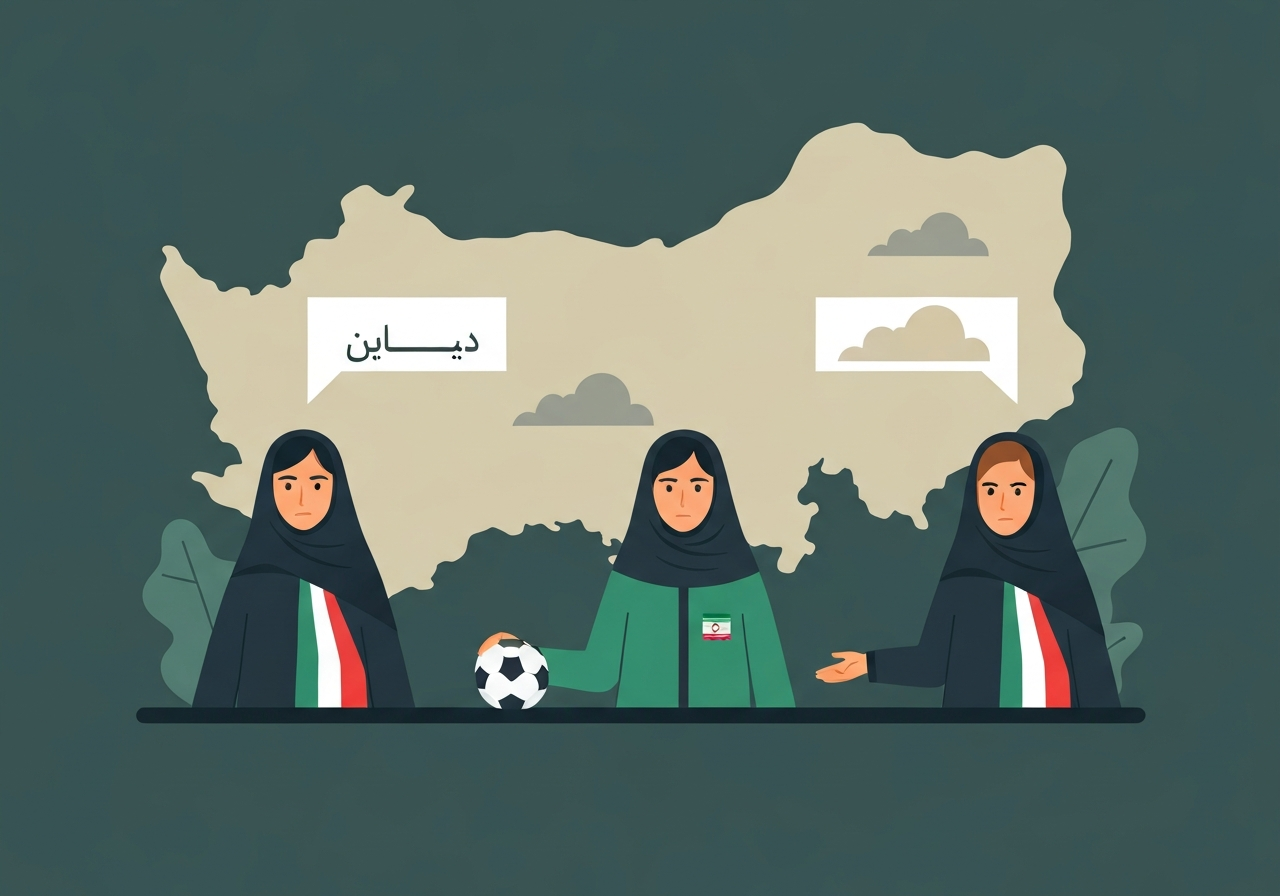
Three members of Iran’s women’s football delegation who had been granted humanitarian visas in Australia have decided to withdraw asylum requests and will return to Iran. The trio—identified by diaspora activists as Zahra Soltan Meshkehkar, Mona Hamoudi and Zahra Sarbali—had been among a group who initially sought to stay after the Asian Cup match in Australia. The episode followed the team’s silent response to Iran’s national anthem on 2 March, which sparked heated criticism at home. Australian authorities say they provided protection and options but cannot control the personal decisions the players made.
Key Takeaways
- Three delegation members—Zahra Soltan Meshkehkar, Mona Hamoudi and Zahra Sarbali—have withdrawn asylum claims and are traveling to Kuala Lumpur to rejoin the squad, according to Tasnim and diaspora activists.
- Of seven people who initially sought to remain in Australia, only three now remain as defectors; four have chosen to return to Iran or rejoin the team.
- The incident traces to the team’s silence during Iran’s anthem on 2 March in their opening Asian Cup match, an action that prompted state media to label the players “war traitors.”
- Australian Federal Police intervened after several players left their Gold Coast hotel; some were taken to a safe house while immigration options were reviewed.
- Australia’s Home Affairs Minister Tony Burke said the government provided options and support but acknowledged these were deeply personal, high-pressure decisions.
- Tasnim News Agency, which reported the returns and described pressure on the players, is linked to Iran’s Islamic Revolutionary Guard Corps in its reporting context.
- The remaining members of the Iranian squad departed Australia on Tuesday night local time after the team was eliminated from the tournament.
Background
The controversy began after Iran’s women remained silent during the national anthem before their Asian Cup opener against South Korea on 2 March. That moment prompted swift condemnation from conservative commentators and state-aligned outlets in Iran, which framed the silence as disloyalty during a period of heightened political sensitivity. Several players and staff subsequently indicated they did not intend to return to Iran while participating in the tournament held in Australia.
Iran’s women’s national team was competing on the Gold Coast and in other Australian venues when the asylum requests surfaced. Historically, international sporting events have sometimes become focal points for athletes seeking protection abroad; governments and NGOs typically must balance immediate welfare, immigration law and diplomatic consequences. In this case, Australian officials moved to provide humanitarian visas and temporary shelter while claims were assessed.
Main Event
Following the anthem incident, a group of players and staff left their team hotel on the Gold Coast. Australian Federal Police and immigration officials then intervened to ensure the individuals were safe and to assess their visa options. Initial reports said seven women sought to stay in Australia; authorities granted humanitarian visas to several members of the delegation.
Over the following days, the situation shifted. One player decided to return to Iran on Wednesday, and Mohaddeseh Zolfi—who had sought asylum—rejoined the team hours after being granted the right to remain. More recently, human rights activists in the diaspora named three additional delegation members as withdrawing their asylum applications and traveling via Kuala Lumpur to rejoin the squad.
Iran’s sports ministry issued a statement praising the team’s patriotism and accusing Australian authorities of political maneuvering. Tasnim News Agency carried the ministry’s statement and reported the trio resisted what it described as psychological pressure and propaganda. Australian officials, including Home Affairs Minister Tony Burke, said they had offered options and protection but stressed they could not eliminate the social or political context influencing the players’ choices.
Analysis & Implications
The episode exposes the difficult interplay between individual asylum decisions and state narratives. For the players, choices about staying or returning involved personal safety, family ties, and potential legal or social consequences in Iran. For host countries, such cases test visa frameworks, law enforcement response and diplomatic relations with the country of origin.
Politically, Iran’s swift denunciations framed the episode as a challenge to national unity, potentially increasing pressure on returning players and their families. Conversely, diaspora activists and international observers characterized the initial departures as acts seeking safety or protest. The divergence in narratives will shape follow-up reporting and may influence how future sporting delegations are accompanied and protected abroad.
For Australia, the incident raised questions about how best to balance humanitarian obligations with the need to manage media, security and diplomatic fallout. Officials emphasized they provided safe options and legal pathways but also noted they could not dictate individual decisions made under intense scrutiny. The case may prompt revisions to how teams are supported and monitored during tournaments to prevent harm while respecting autonomy.
Comparison & Data
| Figure | Count |
|---|---|
| Delegation members initially seeking to stay in Australia | 7 |
| Those who withdrew asylum requests and will return | 4 |
| Individuals currently remaining in Australia as defectors | 3 |
The table summarizes the movement in numbers reported by media and activist groups: seven initially signaled an intent to remain, four later withdrew or returned (including one earlier on Wednesday), leaving three still described as staying in Australia. These figures come from combined reporting by news organizations and activist statements.
Reactions & Quotes
“Australians should be proud that it was in our country that these women experienced a nation presenting them with genuine choices and interacted with authorities seeking to help them.”
Tony Burke, Australian Home Affairs Minister (statement)
Burke framed Australia’s role as offering options and assistance while acknowledging individuals make their own choices. His comment underlines the government’s view that it acted according to humanitarian protocols.
“The national spirit and patriotism of the Iranian women’s national football team defeated the enemy’s plans against this team.”
Iranian Sports Ministry, quoted by Tasnim News Agency
The sports ministry’s statement presents a contrasting national narrative, portraying the returns as a victory over external interference. State-aligned coverage emphasized loyalty and family reunification.
“They resisted psychological warfare, extensive propaganda and seductive offers,”
Tasnim News Agency (report)
Tasnim’s reporting echoed the ministry, attributing the asylum withdrawals to pressure and persuasion from within Iran’s information ecosystem.
Unconfirmed
- Claims that players faced direct threats or reprisals in Iran remain unverified by independent sources beyond state and activist statements.
- Accounts that the Australian government or others engaged in deliberate persuasion to sway players’ decisions are contested and lack conclusive public evidence.
- Precise motivations of each individual who withdrew an asylum claim have not been independently confirmed and may include family pressure, safety calculations or other private reasons.
Bottom Line
The situation underscores how international sport can intersect with geopolitics, human rights and personal safety. While Australia provided humanitarian options and sheltered some delegation members, several chose to return to Iran; others remain in Australia. The split decisions reflect complex personal calculations rather than a single, uniform motive.
Observers should expect continued scrutiny: independent verification of conditions back in Iran for returning players may be limited, and the competing narratives from state media and diaspora activists are likely to persist. For host countries and tournament organizers, the episode will probably prompt reviews of how to protect athletes while respecting their agency and international diplomatic sensitivities.
Sources
- BBC News (international news outlet reporting initial account)
- Tasnim News Agency (Iranian news agency; reported ministry statement)
- Australian Department of Home Affairs (government department; for ministerial statements and visa policy context)