
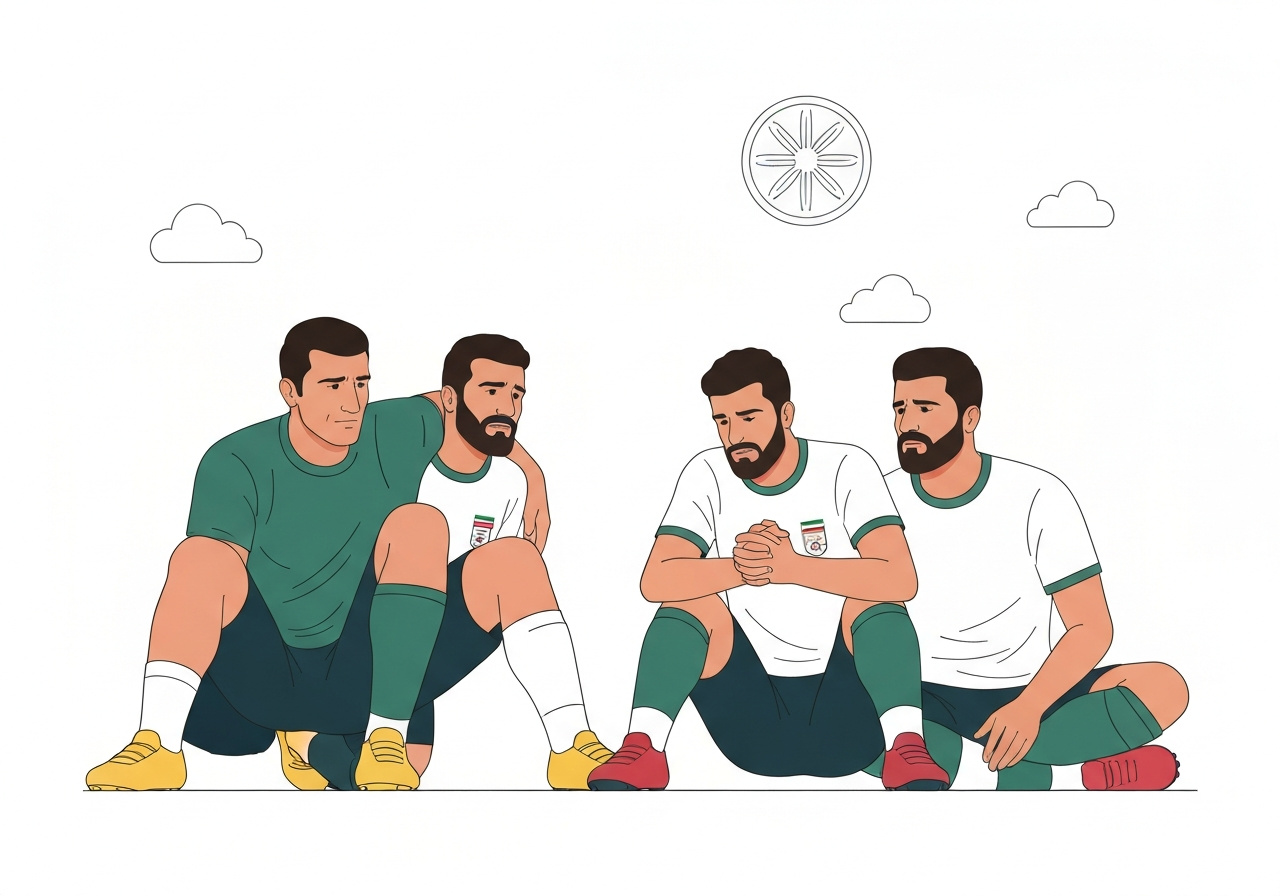
On March 14, 2026, Australian officials said three additional members of Iran’s women’s national soccer team who had applied for asylum after the Asian Cup in Australia decided to return to Iran. The announcement brings to four the number of the seven team members who have rescinded asylum requests since the tournament ended. The players had drawn international attention after they did not sing Iran’s national anthem at the opening match, an act widely seen as a protest. Australian authorities say they offered humanitarian visas to most of the delegation; the outcomes have underscored tensions between personal safety concerns and family pressures in Iran.
Key Takeaways
- Four of seven Iranian players who asked to remain in Australia have withdrawn asylum bids as of March 14, 2026, leaving three still seeking protection.
- Australia offered humanitarian visas to most of the delegation, including players and many support staff, according to government statements.
- The anthem silence took place at the opening match of the Asian Cup in Australia, two days after U.S.-Israeli attacks on Iran began, prompting state media to label the players “traitors.”
- Tasnim News Agency reported the three returning players reunited with teammates in Kuala Lumpur and published a photo showing them in black hijabs.
- Iran’s sports minister accused Australian and U.S. governments and some civil groups of pressuring the players to seek asylum; Iranian officials’ claims and supporters’ reports about detained relatives remain contested.
- Domestic and diaspora supporters say family members of some players face detention or travel restrictions in Iran, a factor cited by players weighing their decisions.
Background
The episode began at the Australia-hosted Asian Cup when several Iranian players chose not to sing the national anthem at the tournament’s opening match. The silence occurred amid heightened tensions after reports of U.S. and Israeli strikes on Iran, an atmosphere that amplified scrutiny at home and abroad. Iranian state commentary labeled the players “traitors,” fueling fear they could face punishment or reprisals upon return. After the tournament, seven individuals from the delegation asked to remain in Australia; Australian authorities said they offered humanitarian visas to most of the team and many support staff.
Those who considered staying faced layered decisions: the immediate safety risks they feared if they returned, the welfare and legal exposure of family members remaining in Iran, and the practical uncertainties of asylum procedures in Australia. One of the seven had already reversed course before March 14, signaling how fraught the choice can be. Iran’s government and state media have framed asylum bids as externally driven and politically motivated, while diaspora networks and humanitarians have highlighted credible fear and threats reported by the players and relatives.
Main Event
On March 14, 2026, Australia’s home affairs minister, Tony Burke, told the national broadcaster that three more team members chose to depart for Iran, bringing the total who rescinded asylum requests to four of seven. Mr. Burke issued a public statement saying the Australian government had offered opportunities for safe futures in Australia and that authorities had provided humanitarian pathways. Australian officials have emphasized that offers were extended to most delegation members, including support personnel, and framed the decisions as personal.
Tasnim News Agency, a state-affiliated outlet in Iran, reported the three returning players had met teammates at Kuala Lumpur airport and posted a photo showing the group with their coach wearing black hijabs. That image contrasted with earlier Australian photographs of some players without hijabs, and Iranian reporting presented the reunion as a return to normalcy. Supporters in the Iranian diaspora in Australia said they had communicated with the players and cited concerns about relatives in Iran who, they said, were detained or barred from leaving.
Iran’s sports minister, Ahmad Donyamali, has publicly accused the Australian and U.S. governments and certain civil-society organizations of pressuring the players to seek asylum while abroad. Australian officials reject the suggestion that their offers were coercive, saying humanitarian steps were taken to protect those who expressed fear for their safety. The sequence of decisions—one earlier change of heart followed by three more—highlights the interplay of individual choice, family considerations, and state messaging.
Analysis & Implications
The departures and reversals carry immediate human consequences: for the players themselves, the calculus includes the risk of legal or social penalties at home and the potential vulnerability of family members who remain in Iran. If relatives are indeed detained or face travel bans, players may feel compelled to return to secure their families’ safety, a factor that complicates assessments of voluntary return versus compelled repatriation. Australian humanitarian offers provide shelter but cannot erase these cross-border pressures.
Diplomatically, the episode tests relations between Canberra and Tehran, and it may influence how Australia handles asylum claims tied to high-profile sporting delegations. Iran’s charge that foreign governments pushed the players to seek refuge could harden official rhetoric, while Canberra’s portrayal of its actions as protective may resonate with international human-rights advocates. The dispute elevates broader questions about how host nations balance protecting individuals who express fear with respecting the sovereignty concerns of sending states.
For the remaining players still considering asylum, uncertainty persists about timelines and outcomes. Australian refugee and humanitarian processes can take months, if not longer, and public attention can ebb or swell depending on diplomatic and media developments. The players’ choices will likely influence diaspora mobilization, media narratives, and potentially future decisions by athletes traveling abroad from politically sensitive contexts.
Comparison & Data
| Status | Count |
|---|---|
| Team members who asked to remain in Australia | 7 |
| Those who rescinded asylum bids (as of March 14, 2026) | 4 |
| Those still seeking asylum | 3 |
The table summarizes the public tallies reported by Australian officials and media through March 14, 2026. Numbers reflect requests by delegation members to remain after the Asian Cup; they do not account for visa outcomes that could change pending formal applications. The data point to a split within the group and underscore how family and political pressures can shift decisions quickly.
Reactions & Quotes
“The Australian government has done everything it could to make sure these women were provided with the chance for a safe future in Australia.”
Tony Burke, Australia home affairs minister (official statement)
“Foreign governments and some civil groups pressured players into seeking asylum,”
Ahmad Donyamali, Iran sports minister (state media)
Both statements frame the debate differently: Australian officials stress humanitarian offers and voluntary choice, while Iranian authorities characterize the episode as externally induced. Diaspora groups reported ongoing contact with players and emphasized family vulnerability, though those claims have not been independently verified in all instances.
Unconfirmed
- Reports that specific family members of the players are detained in Iran have been made by diaspora supporters but are not independently validated in all cases.
- Claims that Australian or U.S. authorities coerced the players into seeking asylum are asserted by Iranian officials; no conclusive public evidence has been presented to substantiate coercion.
- Future legal or disciplinary measures Iranian authorities might take against returning players remain unclear and unverified at this time.
Bottom Line
The decisions by four of seven players to withdraw asylum requests and return to Iran crystallize the hard choices faced by athletes who become political symbols while overseas. Family safety, legal uncertainty and intense state messaging combine to shape outcomes as much as the immediate offers of protection from host countries. For Australia, the episode spotlights the limits of humanitarian offers when transnational pressures are at play.
What to watch next: the legal status and travel plans of the remaining three delegation members, any official action by Iranian authorities following the returns, and whether Canberra or international rights groups obtain verifiable evidence about family detentions or threats. Those developments will determine whether this case prompts policy changes or remains a tense but contained episode in the wake of the Asian Cup.
Sources
- The New York Times — (international news reporting)
- Tasnim News Agency — (Iran state-affiliated media)
- Australian Broadcasting Corporation (ABC) — (public broadcaster)
- Australian Department of Home Affairs — (official government)