
Lead
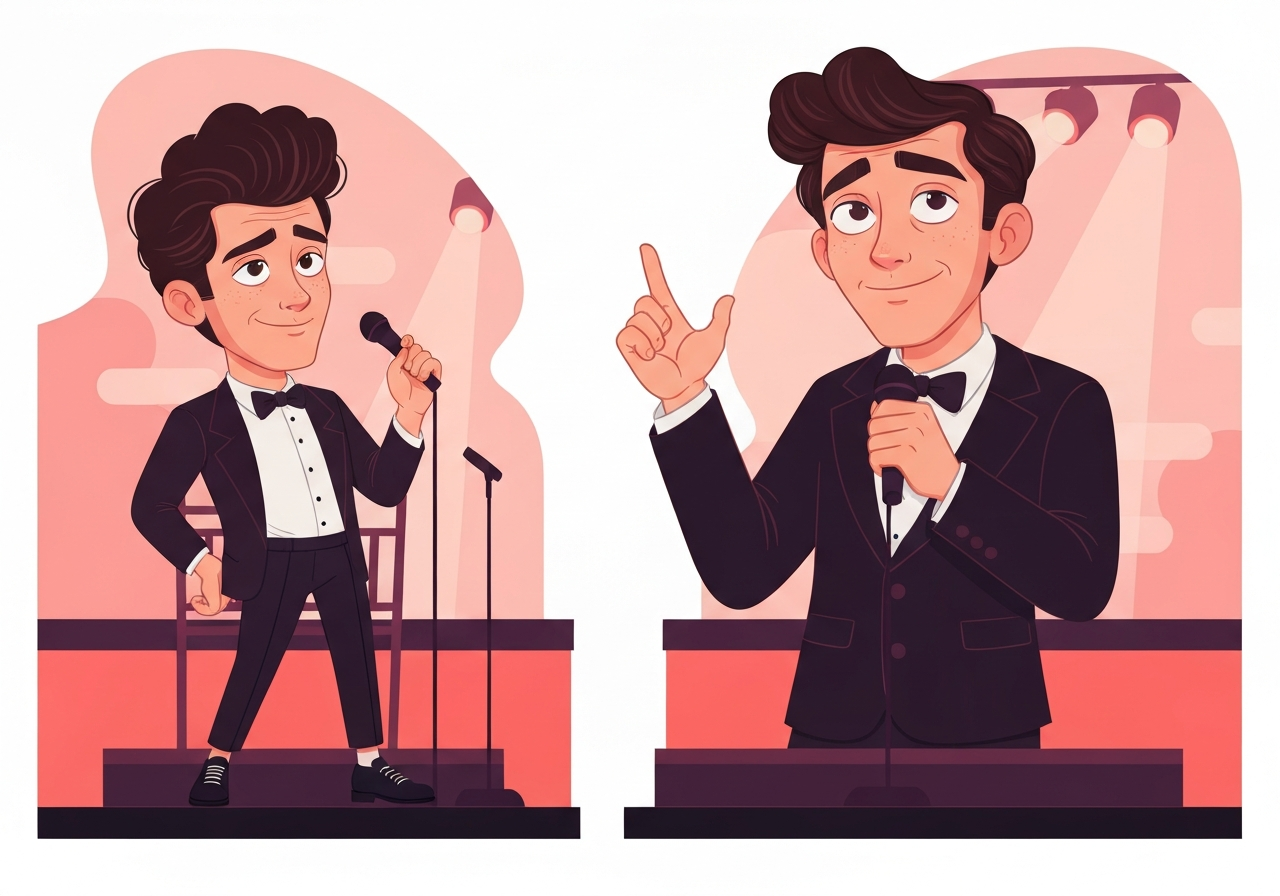
On March 15, 2026, Harry Styles hosted Saturday Night Live for the second time at Studio 8H, promoting his new album Kiss All the Time. Disco, Occasionally. He mixed musical performances with a range of sketches—some political, some playful—and used his monologue to respond to accusations of “queerbaiting.” The show landed amid Oscar weekend in Hollywood and drew praise for Styles’s stage presence and vocal moments.
Key Takeaways
- Harry Styles returned to SNL on March 15, 2026, hosting more than six years after his first turn on the show.
- He promoted his latest album, Kiss All the Time. Disco, Occasionally., and performed the singles “Dance No More” and “Coming Up Roses,” introduced on stage by Paul Simon.
- Sketch highlights included a courtroom bit with a Sebastian Maniscalco caricature, a pretaped medical satire called “Mahaspital,” and a closing commercial spoof for a clothing line modeled on Styles’s outfits for Target.
- Comedy pieces mixed political satire—addressing the war with Iran in the cold open—with lighter sketches like a cruise-line infomercial and a St. Patrick’s–themed pretape showcasing Styles’s singing and dancing.
- Styles addressed charges of “queerbaiting” in his monologue, responding directly with a line aimed at shifting the tone of the accusation.
- Supporting cast members Jane Wickline and Veronika Slowikowska drew attention for stealing scenes in a Best Buy sketch and a White Castle drive-thru bit.
- The episode wove cultural references from Timothée Chalamet to Robert F. Kennedy Jr., signaling SNL’s continued blending of pop culture, politics and celebrity promotion.
Background
Harry Styles first appeared on Saturday Night Live as both a musical performer with One Direction and later as a solo artist; his return as host comes after a multifaceted period that included starring roles in the films Don’t Worry Darling and My Policeman and multiple album releases. Over the past several years he has expanded his public persona from boy-band frontman to a solo pop star and occasional actor, a transition that has drawn intense media attention to both his work and image. Public debate around how he presents gender and sexuality—sometimes labeled “queerbaiting” by critics—has accompanied his stylistic choices, merchandising and fashion partnerships.
SNL frequently positions musical guests and hosts at cultural momentums—this episode aired during Oscar weekend in Hollywood, when actors and filmmakers are already under heightened scrutiny. That timing amplified both Styles’s promotional goals for his album Kiss All the Time. Disco, Occasionally. and the show’s willingness to engage with topical satire, including a cold open that referenced the ongoing war in Iran and impressions of contemporary political figures.
Main Event
The episode opened with a politically charged cold open centered on the rising cost of gas and the war in Iran; the sketch used a family at a gas station and a caricatured President Trump to lampoon policy and rhetoric. James Austin Johnson’s Trump joked about domino effects and campaign promises, while other cast players injected surreal touches—dozens of cans spilling from a car, a reference to a Wall Street Journal item about gifts, and a quip about the Strait of Hormuz.
Styles’s monologue blended self-deprecating jokes and personal detail. He joked about taking time off after his 2023 tour and referenced running—his sub-three-hour marathon in Berlin was mentioned as a surprising sideline hobby—before pivoting to address criticism of his image and public persona with a line intended to deflate claims of intentional provocation. He also staged a playful onstage moment with cast member Ben Marshall that leaned into the evening’s commentary about perception and intent.
Sketches ranged from the courtroom bit in which Styles played a New Jersey prosecutor to a pretaped parody of a prestige medical drama called “Mahaspital,” produced in the sketch as a Robert F. Kennedy Jr.–adjacent project satirizing alternative-health tropes. The courtroom sketch featured Marcello Hernández as a hyperkinetic Sebastian Maniscalco parody and landed many laughs by contrasting his manic stage persona with Styles’s comparatively steady presence.
Musical segments were arranged for both spectacle and showmanship. Styles performed “Dance No More” and later “Coming Up Roses,” the latter introduced by Paul Simon. Interstitial sketches—an infomercial for a German cruise line and a St. Patrick’s–linked pretape about Irish dancing—gave Styles room to sing and dance, reinforcing his dual musical-actor identity.
Analysis & Implications
Styles’s return to SNL underlines how modern pop stars use variety shows as strategic platforms: the program lets artists showcase new music, cultivate image, and respond directly to controversies in a controlled, rehearsed setting. By combining music with sketches that play off his public persona, Styles both markets his album and engaged cultural conversations about gender presentation and celebrity signaling.
The explicit reference to “queerbaiting” in the monologue is significant because it turns an often-damning term into a moment of reclamation and deflection on live television. Whether that line shifts broader public perception will depend on subsequent coverage, fan responses, and how Styles continues to present himself across tours, fashion collaborations and media appearances.
Politically themed sketches—particularly the cold open about the Iran war—demonstrate SNL’s continuing role as a smooth conduit between sharp satire and mainstream entertainment. By placing the episode during Oscar weekend, producers increased the likelihood that clips would circulate widely, giving both the satirical commentary and Styles’s promotional material extra reach across social platforms.
Comparison & Data
| Aspect | Earlier SNL Appearances | March 15, 2026 Episode |
|---|---|---|
| Role | Musical guest and earlier hosting | Host and musical performer |
| Promotional focus | Tour and earlier albums | New album: Kiss All the Time. Disco, Occasionally. |
| Notable sketches | Variety music and comedy bits | Courtroom sketch, “Mahaspital,” Target-style clothing spoof |
The table above summarizes how this hosting turn combined promotional needs and comedic framing more tightly than many of Styles’s past appearances. That convergence—music, fashion tie-ins and direct responses to criticism—reflects a broader industry pattern in which artists use late-night variety stages for multifaceted campaigns.
Reactions & Quotes
Critics and audience members highlighted both the comedic beats and the musical showcases. Cast interplay—especially the Maniscalco parody—was repeatedly singled out as a high point, while political satire drew attention for its topicality.
“Maybe you don’t know everything about me, dad,” Styles said in his monologue, pushing back on simplistic readings of his public image.
Harry Styles (monologue)
“It’s called butterfly effect,” the show’s Trump impression declared while linking past controversies to present outcomes in the cold open.
James Austin Johnson (SNL cold open)
Unconfirmed
- Whether the monologue line will measurably change industry or critical assessments of Styles’s image remains unverified and will require follow-up coverage.
- Any direct sales bump to Kiss All the Time. Disco, Occasionally. immediately attributable to this SNL appearance is not yet confirmed.
- Reported backstage dynamics or private intentions behind sketch choices have not been independently verified.
Bottom Line
Harry Styles’s second turn hosting SNL showcased the mix of music, fashion and carefully staged personal messaging that defines many contemporary pop campaigns. The episode allowed him to promote new work, show off vocal and dance skills, and address a persistent public critique in a live, widely viewed forum.
For observers and fans, the show reinforced Styles’s dual role as entertainer and cultural figure: he can headline songs, headline sketches, and steer conversations about his image. What matters next is how he follows up—on tour, in interviews and through collaborations—to shape the narrative SNL temporarily reframed.
Sources
- Los Angeles Times (news coverage of the March 15, 2026 SNL episode)