
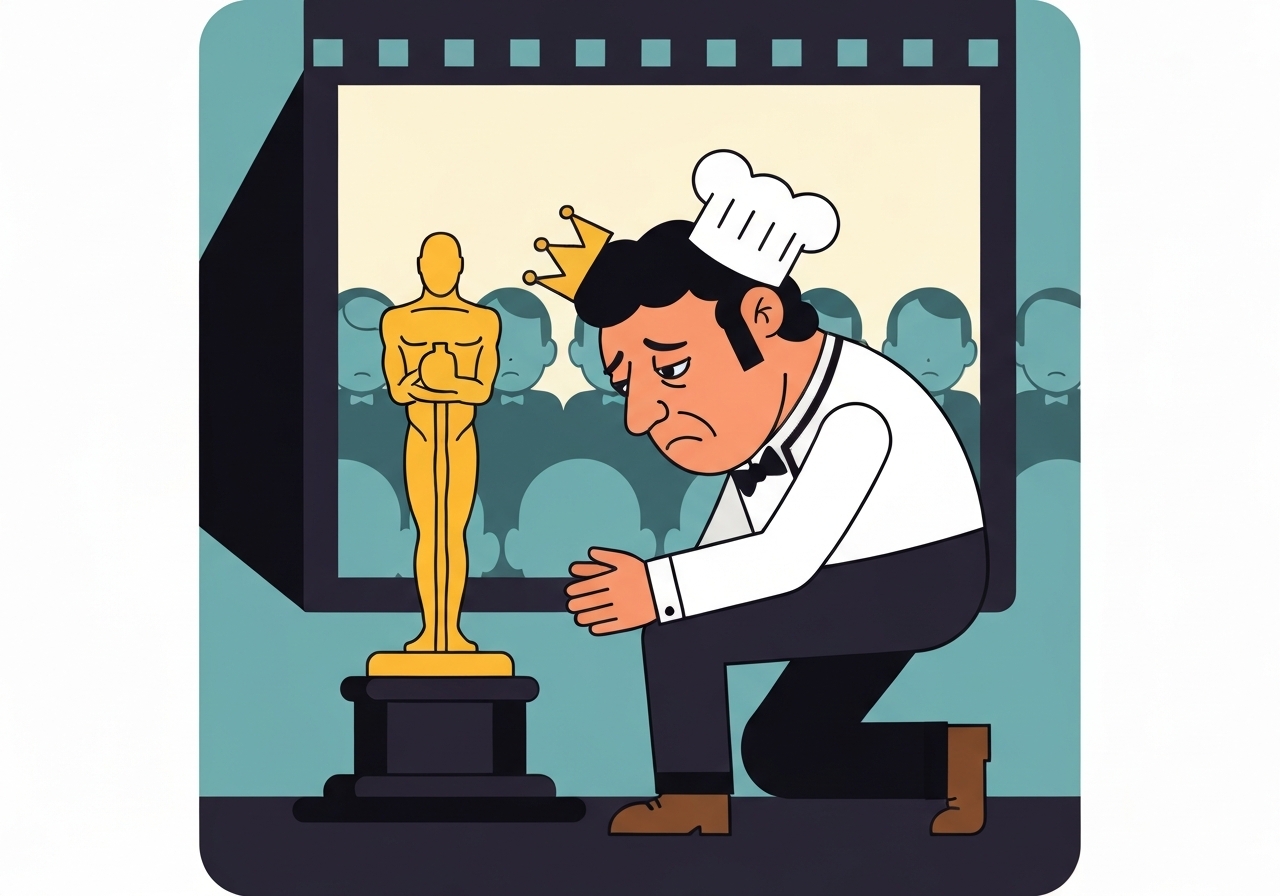
Lead: At the 2026 Academy Awards, Burger King aired a 90‑second mea culpa titled “There’s a New King, and It’s You,” acknowledging past service and product shortcomings and promising operational fixes. The fast‑food chain also ran multiple spots and won host‑read callouts across the broadcast, amplifying its message to a mass audience. Early signals are mixed: the campaign won attention and praise for candor but leaves the company with the harder task of proving tangible improvements in restaurants and sales.
Key Takeaways
- Burger King ran a prominent Oscars ad blitz on March 16, 2026, including a 90‑second spot that admitted prior mistakes and pledged changes.
- The ad named specific problems — slow service, squashed burgers, packaging failures — and presented the company’s president, Tom Curtis, as the spokesperson.
- Operational turnaround began with the 2022 $400 million “Reclaim the Flame” program; Restaurant Brands International plans up to $700 million investment through 2028.
- Same‑store US sales rose 2.6% in the December 2025 quarter and were up 1.6% for fiscal 2025, signaling gradual recovery in traffic and ticket.
- The Oscars remains a high‑reach platform: Nielsen reported 19.7 million US viewers for the ceremony last year, multiplying the ad’s potential exposure.
- Creative experts praised the self‑deprecating tone for authenticity but warned the approach risks fatigue if not matched by entertaining content and measurable improvements.
- Brand health trackers show US fast‑food brands drifting from leadership into a “fatigued” category; Burger King is sliding faster than many peers, according to WPP’s BAV database.
Background
Burger King has publicly framed its recent strategy around rebuilding operational capability and reclaiming brand relevance. The company launched the “Reclaim the Flame” initiative in 2022 with a $400 million commitment for restaurant refurbishments, equipment upgrades and marketing. Parent company Restaurant Brands International (RBI) has since signaled it may invest up to $700 million in the program through the end of 2028, underlining the scale of the planned turnaround.
That investment followed years of uneven execution: customer complaints about slow service, inconsistent product quality and packaging that failed to protect items in transit became recurring themes in social media and franchise feedback. Earlier in 2026 Burger King published a phone number to reach Tom Curtis, its US and Canada president; Curtis told reporters he received tens of thousands of voicemails and texts, with the Whopper repeatedly cited as a top concern. In that context, a public, high‑visibility apology operates as both marketing and promise of accountability.
Main Event
During the March 16, 2026 Oscars telecast Burger King ran multiple spots and secured on‑air sponsorship mentions at key moments. The standout was a 90‑second spot, “There’s a New King, and It’s You,” in which the brand enumerated past failings — from slow service to burgers that “fell off” or were squashed by poor packaging — and said it had taken concrete steps to fix them. The ad stated the company had “fired the King” mascot, reinvested in restaurants and updated the Whopper recipe.
Tom Curtis voiced the commercial and has been visible across the campaign’s channels. The company had earlier encouraged direct feedback by giving customers a number to reach Curtis; he reported receiving tens of thousands of messages and identified the Whopper as a frequent topic. The Oscars placement amplified that narrative of listening and doing, using the telecast’s reach to convert apology into promise.
The campaign also intersected with social‑media moments: earlier in March Curtis staged a social clip in which he took an emphatic bite of a burger, a move read as a reply to a widely mocked video by McDonald’s CEO Chris Kempczinski. Industry observers saw that exchange as part of a broader rivalry in which brands use personality and theatre to reset perceptions about product quality and leadership.
Analysis & Implications
On the positive side, the Oscars ad showed strategic clarity: Burger King used a mass‑market event to both acknowledge errors and define a corrective path. In a media landscape where glitzy celebrity ads dominate, a candid, self‑aware spot can cut through and rebuild trust if customers notice improved service and product consistency. Given Nielsen’s audience scale for awards broadcasts, the pay‑off could be meaningful if operational gains follow.
But the move is risky. Advertising that confesses faults raises expectations; without visible change at the restaurant level, the spot could be read as bluster. Analysts and creative leaders caution that self‑deprecation has a limited shelf life: it must stay entertaining and be backed by measurable improvements in speed, accuracy and quality. Investors and franchisees will be watching sales trends and customer satisfaction metrics over coming quarters to judge sincerity.
Financially, the company has signaled willingness to spend: the initial $400 million plan and up to $700 million through 2028 are large commitments, but they will be judged on execution. Same‑store sales growth of 2.6% in the December 2025 quarter and 1.6% in fiscal 2025 show modest progress; the challenge is accelerating that momentum and translating marketing buzz into sustained visits and average check increases. If Burger King narrows the gap on operational KPIs, the Oscars push could mark a turning point. If not, the campaign risks increasing scrutiny rather than calming it.
Comparison & Data
| Metric | Value |
|---|---|
| Reclaim the Flame initial investment (2022) | $400 million |
| RBI committed through 2028 | Up to $700 million |
| Same‑store US sales, Dec 2025 quarter | +2.6% |
| Same‑store US sales, fiscal 2025 | +1.6% |
| Oscars US viewers (last year, Nielsen) | 19.7 million |
The table places the advertising push alongside operational spending and recent sales performance. The investments are substantial, but current sales growth is modest; reaching the scale of recovery implied by the advertising will require consistent improvements in speed, order accuracy and product quality. Mass reach events like the Oscars magnify both wins and shortcomings, making near‑term execution essential.
Reactions & Quotes
“The self‑deprecating, authentic approach stands out from glitzy celebrity ads and links operational steps to a direct conversation with customers.”
Camilla Yates, Managing Partner, Elvis (creative agency)
Yates praised the candour and the choice to foreground operational fixes, but also warned that the tone can wear thin if subsequent ads become merely earnest and stop entertaining.
“Acknowledging missteps can signal confidence, yet the brand must define what makes it different to regain leadership among a fatigued fast‑food market.”
Vicky Bullen, CEO, Coley Porter Bell (branding agency)
Bullen referenced WPP’s BAV database findings showing fast‑food brands slipping from leadership into a fatigued category and urged Burger King to consider bolder product and positioning changes to win younger, health‑conscious consumers.
Unconfirmed
- Whether the Oscars ad alone caused any measurable short‑term lift in same‑store sales has not been publicly confirmed by Burger King or independent trackers.
- Claims about the complete removal or permanent firing of the King mascot are presented in marketing copy; the full operational or contractual details behind that decision are not independently verified in public filings.
Bottom Line
Burger King used one of television’s biggest nights to own up to consumer grievances and promise change. The strategy buys attention and, if matched by credible operational improvement, can accelerate the brand’s recovery narrative. The company has put meaningful capital behind that recovery: $400 million initially and up to $700 million signaled through 2028 by RBI — but these figures only matter if they translate into better service, more consistent product and stronger guest satisfaction.
The Oscars ad is a bold marketing gambit that raises the bar for execution. For stakeholders — customers, franchisees and investors — the next questions are practical: will drive‑through times drop, will packaging protect items in transit, and will the Whopper show consistent quality across locations? If the answers are yes and measurable, the campaign will be remembered as a smart pivot; if not, it may only amplify prior frustrations.