
Lead
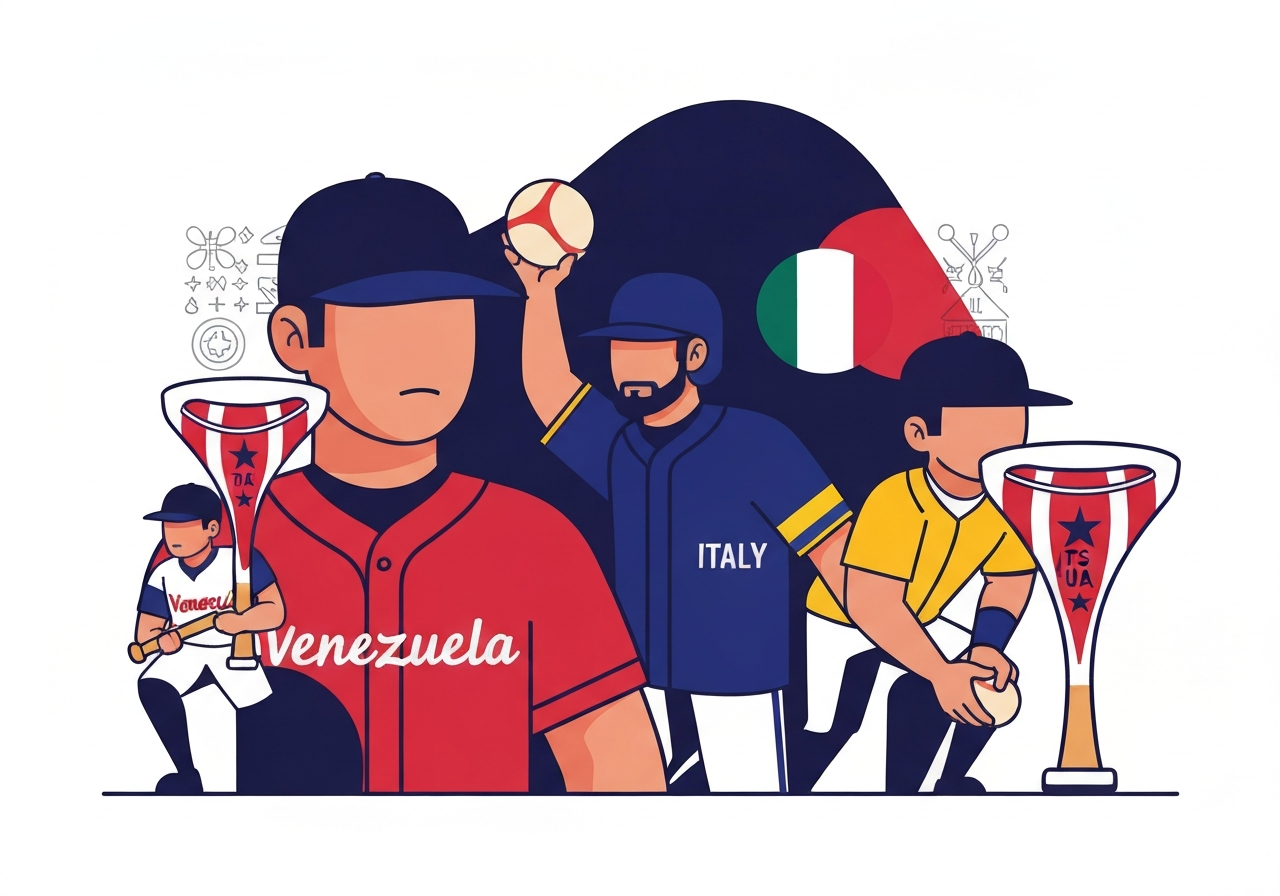
Venezuela defeated Italy 4-2 in the World Baseball Classic semifinal at loanDepot Park in Little Havana, Miami, on March 16, 2026, earning its first-ever berth in a WBC championship game. The victory sent a crowd clad in yellow, blue and red into raucous celebration and set up a final against Team USA on March 17, 2026. Key contributors Maikel García and Ronald Acuña Jr. sparked the decisive rally, while a sequence of relievers contained the Italian offense late. The result capped a run that overcame notable absences on the Venezuelan roster.
Key Takeaways
- Venezuela beat Italy 4-2 in the semifinal at loanDepot Park on March 16, 2026, and will face Team USA in the final on March 17, 2026.
- Maikel García delivered the go-ahead single in the seventh inning after Ronald Acuña Jr. reached on an infield play; Luis Arraez added an insurance single.
- Venezuela reached the WBC title game for the first time in the tournament’s 20-year history.
- Several established Venezuelan players were absent: Jose Altuve declined participation at the Houston Astros’ request; Pablo López and Jesús Luzardo were sidelined for medical and contractual reasons.
- Italy’s run—built largely from diaspora talent—ended when a string of six Venezuelan relievers shut down further threats after the sixth inning.
- The semifinal crowd overwhelmingly supported Venezuela inside the Miami ballpark; Italy had limited fan presence at the stadium.
- The game followed Venezuela’s quarterfinal defeat of defending champion Japan, adding momentum to its title bid.
Background
The World Baseball Classic, now in its third decade, has grown into an international showcase that blends Major League talent with diaspora and homegrown players. Venezuela had previously fielded competitive teams but never advanced to the final; March 16, 2026, marks the program’s first appearance in the championship game. The tournament’s short format rewards timely hitting and bullpen depth, factors that played into Venezuela’s success despite roster gaps.
Italy arrived in Miami as one of the event’s most talked-about stories, a squad populated largely by players from the Italian diaspora in the United States and other countries. The Azzurri’s unexpected upset of Team USA in pool play thrust them into the spotlight and demonstrated how players raised outside Italy can galvanize a national program. Manager Francisco Cervelli and first baseman Vinnie Pasquantino emphasized the team’s cultural identity, even as most regulars grew up outside the peninsula.
The broader context for the final includes intense interest from fans and media across the Americas. Venezuela’s journey included a quarterfinal slugging display against Samurai Japan, the defending champions, and a semifinal that relied more on contact hitting and situational at-bats. Off-field circumstances—roster decisions by MLB clubs, injuries, and, as some narratives noted, geopolitical tensions—have added layers to public attention around the matchup.
Main Event
The semifinal at loanDepot Park remained tight through the middle innings. Italy briefly led before Eugenio Suárez’s fourth-inning solo home run cut the deficit to one run. Aaron Nola started for Italy and allowed the homer before being relieved by Michael Lorenzen, who had been penciled in to start but shifted roles in the manager’s plan.
Venezuela manufactured the go-ahead rally in the seventh. Jackson Chourio’s two-out single set the stage for Acuña’s infield hit, which tied the game when he beat out the throw to first. Maikel García followed with a decisive single to put Venezuela ahead, and Luis Arraez added a run-scoring hit that increased the margin and forced Italy into desperation.
The Venezuelan pitching staff combined to stifle Italy after the sixth inning. A sequence of six relievers preserved the lead, with Angel Zerpa striking out Sam Antonacci to strand two Italian baserunners in the sixth and subsequent relievers retiring the heart of the lineup. Manager Pablo López, also serving as the Astros bench coach, praised his pitchers’ execution after the game.
Italy entered the contest with momentum from earlier upsets but could not generate timely hits against Venezuela’s bullpen. The Azzurri’s lineup produced only a pair of runs—one on Suárez’s home run and another earlier in the game—and left multiple opportunities unconverted as Venezuela’s defense and relief corps held firm.
Analysis & Implications
Venezuela’s appearance in the WBC final is a milestone for a baseball-rich country that has seen many of its top players build careers in MLB. Reaching the championship despite the absence of marquee names like Jose Altuve—or injured arms such as Pablo López and Jesús Luzardo—suggests organizational depth and a roster mentality that values contact hitting and situational baseball.
Team USA will face a Venezuelan squad that treats the WBC as an emblematic competition, not merely an off-season assignment. That cultural framing can influence preparation and performance: players arriving with national pride and an energized home-base crowd often play with added urgency. For the Americans, the matchup will require navigating Venezuela’s balanced approach—timely singles, speed on the bases and a bullpen that has shown resilience.
Italy’s tournament has broader implications for how baseball development outside traditional hotbeds is viewed. The Azzurri leaned on diaspora talent to advance, spotlighting both the opportunities and limitations of building teams from expatriate players. Italy’s leaders have voiced a long-term goal of cultivating more Italy-born prospects; this run may accelerate investment in domestic youth development.
Beyond sport, the final arrives amid heightened political attention. Some observers pointed to geopolitical developments in recent months as backdrop to the matchup; however, on-field narratives at loanDepot Park consistently emphasized baseball first. How fans interpret the final may be shaped by preexisting national sentiments, but the most immediate outcome will be decided by play on March 17.
Comparison & Data
| Item | Venezuela | Italy |
|---|---|---|
| Semifinal score (March 16, 2026) | 4 | 2 |
| WBC finals appearances before 2026 | 0 | 0 |
| Notable absences/limitations | Altuve (opted out), López (elbow surgery), Luzardo (signed extension) | Roster largely diaspora-based; only three grew up in Italy |
The table highlights that Venezuela’s 2026 final is its first in WBC history; Italy’s deep tournament run also represents a high-water mark for a program reliant on expatriate players. The semifinal demonstrated how small-ball tactics and bullpen management can trump one-off power displays in short international tournaments.
Reactions & Quotes
“A lot of dancing. I’ve never been to the championship of the WBC before. We’re happy,”
Maikel García, Kansas City Royals third baseman
García described the clubhouse celebration and the team’s excitement about its first trip to a WBC final. He emphasized the collective effort and the significance of reaching a tournament final for the first time in program history.
“We’re here to talk about baseball. Our country deserves the game tomorrow,”
Ronald Acuña Jr., Atlanta Braves outfielder
Acuña framed the matchup as strictly athletic competition and said Venezuela would approach the final with the same energy shown earlier in the tournament. His remarks reflected players’ intent to keep focus on baseball amid broader narratives.
“I can bear all of this,”
Pablo López, Venezuela manager and Houston Astros bench coach
López used the press conference to convey personal resolve after his team’s advance, referencing family counsel about the stress of the role and signaling confidence in the squad’s ability to handle the spotlight.
Unconfirmed
- Some reports referenced a geopolitical backdrop, including claims that U.S. military forces captured and extradited Venezuelan president Nicolás Maduro a little more than two months earlier; this account has not been independently verified in the public record presented here.
- Details about internal team discussions or private roster negotiations (for example, the precise reasons some players were unavailable) are reported by team sources but not fully documented in independent public sources.
Bottom Line
Venezuela’s 4-2 win over Italy on March 16, 2026, delivered the country its first World Baseball Classic final, setting up a high-profile matchup with Team USA on March 17. The victory combined timely hitting from Garcia, Acuña and Arraez with a bullpen that closed out Italy’s late threats—elements that will matter again in the final.
For Italy, the tournament remains a breakthrough: a compact roster of diaspora players challenged established powers and highlighted the potential of nontraditional development pathways. The March 17 final will be shaped by pitching matchups, bullpen depth and which side better channels national intensity into execution on the field.