
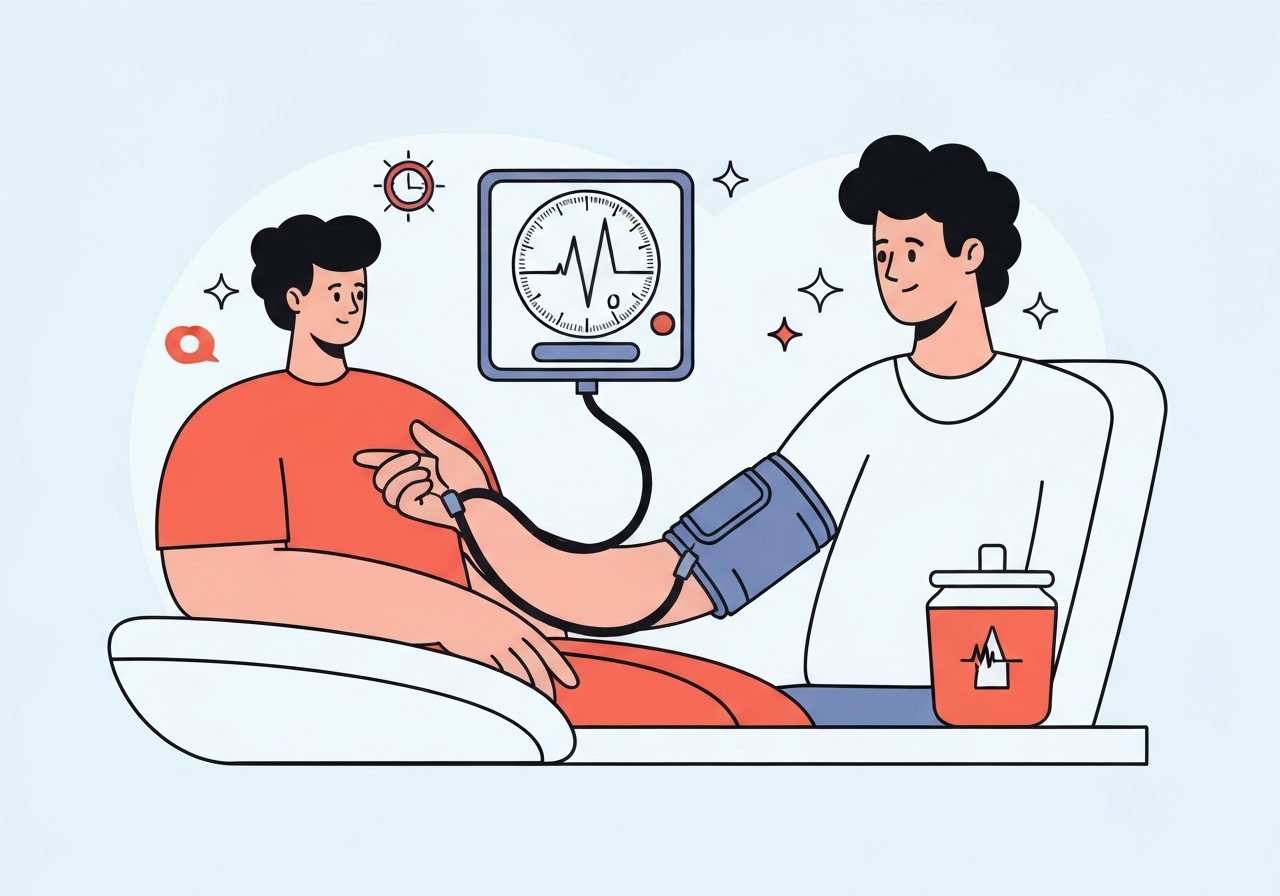
At an annual visit on March 17, 2026 a patient reported a single high blood pressure reading and asked whether home monitoring is useful. Dr. Mara Gordon, a family physician in Camden, N.J., explains that one elevated office measurement is rarely enough to label someone hypertensive and that home readings can help confirm a diagnosis. She and other clinicians recommend proper technique, validated upper-arm cuffs, and a pattern of repeated measurements before starting medication. The goal of treatment is generally to get blood pressure below 130/80 mm Hg, but recommendations can vary by age and clinical context.
Key takeaways
- Hypertension affects an estimated 31% of adults worldwide and is a leading risk factor for heart attack, stroke and kidney disease.
- The U.S. Preventive Services Task Force recommends blood pressure screening for all adults 18 and older, with routine checks at least annually for people over 40.
- Blood pressure diagnosis requires repeated high readings; a single elevated office measurement can reflect temporary factors such as stress (“white coat” effect).
- Home monitoring using validated upper-arm cuffs (brands such as Omron and Microlife have validated models) improves diagnostic accuracy and helps clinicians track trends.
- Using the wrong cuff size can bias systolic readings by up to ~20 mm Hg; cuffs should fit 75%–100% of arm circumference and sit at heart level.
- Guideline thresholds (per recent ACC guidance): normal <120/80, elevated 120–129/80, hypertension ≥130/80; medication is usually considered after multiple elevated readings over weeks.
- Older adults may have more conservative targets because aggressive lowering can increase fall risk and electrolyte problems.
Background
Hypertension is often called a “silent killer” because it can damage the heart, brain and kidneys without producing symptoms. Because blood pressure fluctuates minute-to-minute with activity, posture, bladder fullness, caffeine and stress, a single measurement is a limited snapshot rather than a definitive diagnosis. Clinical guidelines therefore separate screening (identify who needs follow-up) from diagnosis (confirm persistent elevation) and emphasize repeat or out-of-office measurements when readings are borderline or unexpectedly high.
Historically, office measurements have been the mainstay of screening, but the medical community has increasingly recognized the limits of in-clinic checks. The American College of Cardiology updated hypertension guidance in 2025 to highlight the role of home monitoring in improving precision and detecting a patient’s usual blood pressure. Primary care clinicians use a mix of office, home and sometimes ambulatory blood pressure monitoring to distinguish true hypertension from transient elevations like white coat hypertension.
Main event: How to check blood pressure at home and why it matters
If you had one high reading at an annual physical and your doctor did not start medication immediately, that often reflects the need for more data rather than dismissal. Many clinicians now ask patients with an elevated in-office value to take measurements at home several times a week and then review the collected readings at a follow-up visit. This practice helps establish whether elevated numbers persist under ordinary, relaxed conditions.
At-home monitoring is not necessary for everyone, but it becomes particularly useful when office readings are borderline or when white coat effects are suspected. When physicians review home logs, they look for consistent patterns—multiple readings separated across days and times—that meet hypertension thresholds rather than relying on isolated spikes. If multiple home readings meet the hypertension definition (≥130/80), clinicians typically discuss lifestyle measures and pharmacologic options.
Technique matters. Patients should sit with back supported, feet flat, and the measuring arm supported at heart level after five minutes of rest. Avoid caffeine, smoking or exercise for 30 minutes before a measurement and empty the bladder first. Talkative or rushed measurements can raise values, and a cuff placed over clothing or one that’s the wrong size will produce misleading results.
Analysis & implications
Wider use of validated home monitoring could improve diagnostic accuracy and reduce both undertreatment and overtreatment. For people with true hypertension, earlier and sustained control reduces lifetime risk of myocardial infarction and stroke; for those with transient elevations, avoiding unnecessary medications reduces side-effect burden. Home monitoring therefore supports more personalized decision-making by supplying longitudinal data rather than a single clinic snapshot.
The balance of benefits and harms shifts with age. In younger and middle-aged adults, aggressive blood pressure control yields long-term reductions in cardiovascular events; in frail older adults, the immediate harms of overtreatment—dizziness, falls, electrolyte imbalance—may outweigh distant benefits. Clinicians must weigh life expectancy, comorbidities and patient preferences when setting individualized targets.
At a systems level, validated home monitoring could change workflows and resource allocation in primary care. Accurate home data can streamline follow-up, but it also requires clinicians to verify device accuracy and counsel on technique. Payers, clinics and public-health programs will need to determine when it is appropriate to reimburse devices or training to ensure equitable access.
Comparison & data
| Category | Threshold (mm Hg) |
|---|---|
| Normal | Below 120/80 |
| Elevated | 120–129 / <80 |
| Hypertension | 130/80 or above |
The table above summarizes current thresholds used by many clinicians since the 2025 update from the American College of Cardiology. While thresholds help standardize care, the emphasis in practice is on repeated, validated measurements and individualized treatment decisions.
Reactions & quotes
Clinicians describe blood pressure as a highly dynamic vital sign and favor home monitoring when readings are inconsistent.
“Blood pressures are very dynamic measurements — they go up and down throughout the day, minute by minute.”
Dr. Ryan McCormick, family physician (clinical practitioner)
Guideline bodies have similarly endorsed out-of-office monitoring to improve diagnostic precision.
“Home readings enhance the accuracy and precision for detecting a patient’s true and usual BP levels.”
American College of Cardiology (professional guideline summary)
Unconfirmed
- Long-term impact of widespread consumer home-monitoring programs on national cardiovascular event rates remains under study; observational data are promising but not definitive.
- Device validation for every consumer model varies; some brand claims of clinical accuracy lack independent peer-reviewed validation and should be verified.
Bottom line
A single high reading in clinic should prompt follow-up, not immediate labeling in most cases. Home blood pressure monitoring with a validated upper-arm cuff and correct technique provides a more reliable picture of your usual blood pressure and helps clinicians decide whether medication is needed.
If multiple home readings are ≥130/80 mm Hg over several weeks, discuss treatment options with your clinician. For older adults or people with frailty, individualized targets and careful monitoring for side effects are essential. Lifestyle changes—DASH-style eating, regular exercise, moderated alcohol, sodium reduction and stress management—remain foundational whether or not medication is required.
Sources
- NPR — Q&A with Dr. Mara Gordon (journalism)
- U.S. Preventive Services Task Force — Screening guidelines (government/official)
- American College of Cardiology — Hypertension guidance (professional organization, 2025 highlights)
- American Heart Association — Blood pressure measurement recommendations (professional/advocacy)
- Omron Healthcare — Device information and validated models (manufacturer/resource)
- Microlife — Device information and validated models (manufacturer/resource)