
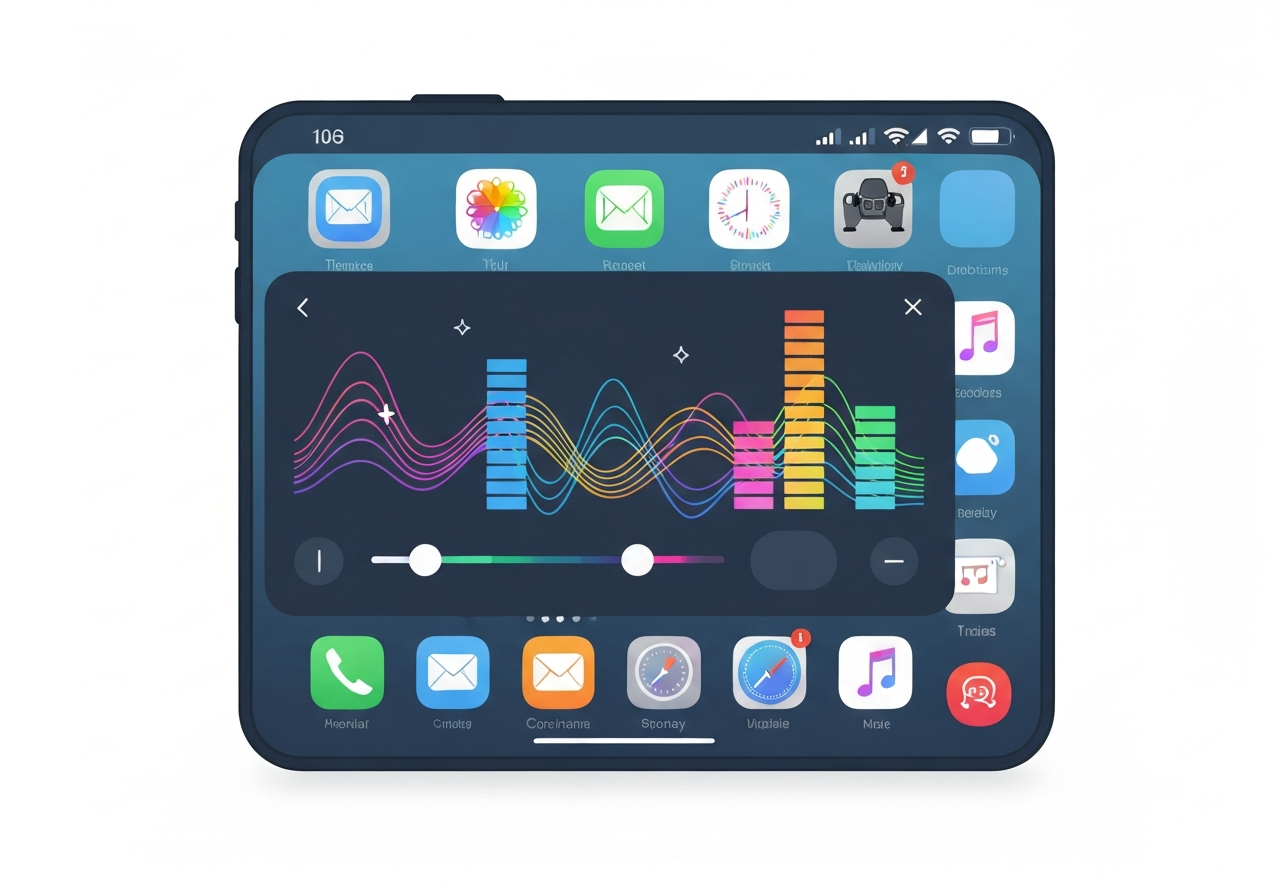
Apple’s iOS 26.4, released in March 2026, adds two new Ambient Music widgets to the iPhone Home Screen that let users start mood-based playlists with a single tap. The update brings a small widget that launches one chosen playlist and a larger widget that presents up to four mood presets—Chill, Productivity, Sleep and Wellbeing—each with its own play button. Built-in playlist presets and the option to assign custom playlists make setup fast, while current functionality requires an Apple Music subscription. The widgets extend Ambient Music, a feature Apple first introduced in Control Center last year, by moving quick playback controls onto the Home Screen.
Key Takeaways
- iOS 26.4 adds two Ambient Music widgets for the Home Screen, released March 2026 with Apple’s iOS update.
- The small widget offers one tappable playlist; the large widget provides four mood buttons labeled Chill, Productivity, Sleep and Wellbeing.
- Users can choose Apple-provided presets (e.g., Sleep Sounds, Bedtime Beats, Sound Bath, Piano Sleep) or assign a custom playlist via Edit Widget.
- All Ambient Music widget features currently work only with Apple Music; Spotify and other services are not supported.
- Apple Music subscription is priced at $10.99/month in the U.S., or available through Apple One bundles.
- The widgets build on Ambient Music functionality introduced in Control Center in 2025 and emphasize one-tap playback over glanceable info.
Background
Widgets on iOS have long aimed to provide either glanceable information or quick, single-tap actions. Over recent iOS cycles Apple has steadily expanded the latter category, introducing controls and shortcuts that reduce friction for common tasks such as media playback and home automation. Ambient Music first appeared in Control Center, offering mood-based playback choices tied to Apple Music playlists and curated presets.
Third-party streaming services and user-created playlists have historically had uneven integration with Apple system-level features. Apple has favored Apple Music for deep-system experiences, which helps the company ensure consistent behavior across devices but limits interoperability for users on other platforms. That trade-off shapes which users benefit immediately from the new widgets and which must wait for broader API access from Apple or cooperation from streaming services.
Main Event
With iOS 26.4 installed, iPhone users can add two new Ambient Music widgets to the Home Screen through the standard widget picker. The smaller widget displays a single mood-bound playlist and launches playback with one tap; users select which mood or playlist it represents in the widget’s Edit Widget settings. The larger widget shows four buttons—one per mood—each of which triggers playback of the assigned playlist without additional navigation.
Apple includes built-in playlist presets for each mood to simplify first-time setup. For example, the Sleep mood offers presets such as Sleep Sounds, Bedtime Beats, Sound Bath and Piano Sleep. Users who prefer their own routines can long-press the widget, choose Edit Widget, and select any custom playlist from their Apple Music library for any mood slot.
The update prioritizes one-tap convenience: the widgets purposely favor immediate playback over displaying metadata like track titles or elapsed time. This design decision mirrors Ambient Music’s Control Center incarnation, which focused on mood and context rather than detailed playback controls. As implemented, the Home Screen widgets provide a fast path to ambient listening but keep advanced playback management inside Apple Music or the lock screen player.
Analysis & Implications
Technically, embedding mood-based shortcuts on the Home Screen strengthens Apple’s strategy of making system-level features more discoverable and more immediately useful. By lowering the number of taps to start a playlist, Apple reduces friction for habitual listening—particularly for use cases such as winding down at night or starting a focused work session. This could increase time spent in Apple Music among active subscribers.
From a competitive standpoint, the Apple Music-only requirement narrows the immediate beneficiary pool to subscribers. Spotify and other streaming customers do not gain the same integrated shortcut unless they use workarounds or until those services receive comparable system-level hooks. That gap reinforces platform lock-in for media experiences and may influence some users’ decisions about which service to subscribe to for the best iPhone experience.
There are also accessibility and discoverability considerations. Widgets that expose single-tap audio actions can help users with limited mobility or those who prefer minimal interaction, but Apple will need to ensure voiceover and other assistive technologies expose the widget mood labels and playback state clearly. If Apple standardizes the widget API broadly, third parties could create similar one-tap controls, expanding utility beyond Apple Music.
Comparison & Data
| Widget | Visible Buttons | Customization |
|---|---|---|
| Small Ambient Music | 1 playlist | Choose mood or custom playlist via Edit Widget |
| Large Ambient Music | 4 mood playlists | Assign different presets or custom playlists for each mood |
The table above summarizes how the two new widget sizes differ in action and flexibility. Both sizes rely on Apple Music for playback and share the same Edit Widget workflow; the choice between them depends on whether a user wants a single quick-launch or a multi-mood control cluster on their Home Screen.
Reactions & Quotes
“A Home Screen shortcut that starts a sleep playlist in one tap feels like a small but meaningful convenience for nightly routines.”
iPhone user (public comment)
“Extending Ambient Music from Control Center to Home Screen makes mood-based listening more discoverable and reduces the friction of launching playlists.”
Independent iOS developer (comment)
These responses illustrate a pattern: users and developers emphasize discoverability and lowered interaction cost. Official developer documentation and additional third-party support will determine whether the experience remains Apple Music-centric or expands to other services over time.
Unconfirmed
- No official timeline has been announced for adding support for third-party streaming services like Spotify to Ambient Music widgets.
- It is unclear whether Apple will expose the exact widget hooks to developers for reproducing mood-based multi-button widgets in third-party apps.
Bottom Line
iOS 26.4’s Ambient Music widgets are a practical, low-friction addition for iPhone users who subscribe to Apple Music and want quicker access to mood-based listening. The feature emphasizes immediate playback and makes routine audio actions accessible from the Home Screen with minimal taps.
For non-Apple Music subscribers the benefit is limited today, which underscores how integrated system features can nudge user behavior toward Apple services. Observers should watch for any developer-facing API changes or third-party integrations that could broaden access in future iOS releases.
Sources
- 9to5Mac — Tech news report summarizing iOS 26.4 features (journalism)
- Apple Music — Official Apple Music subscription information (official)