
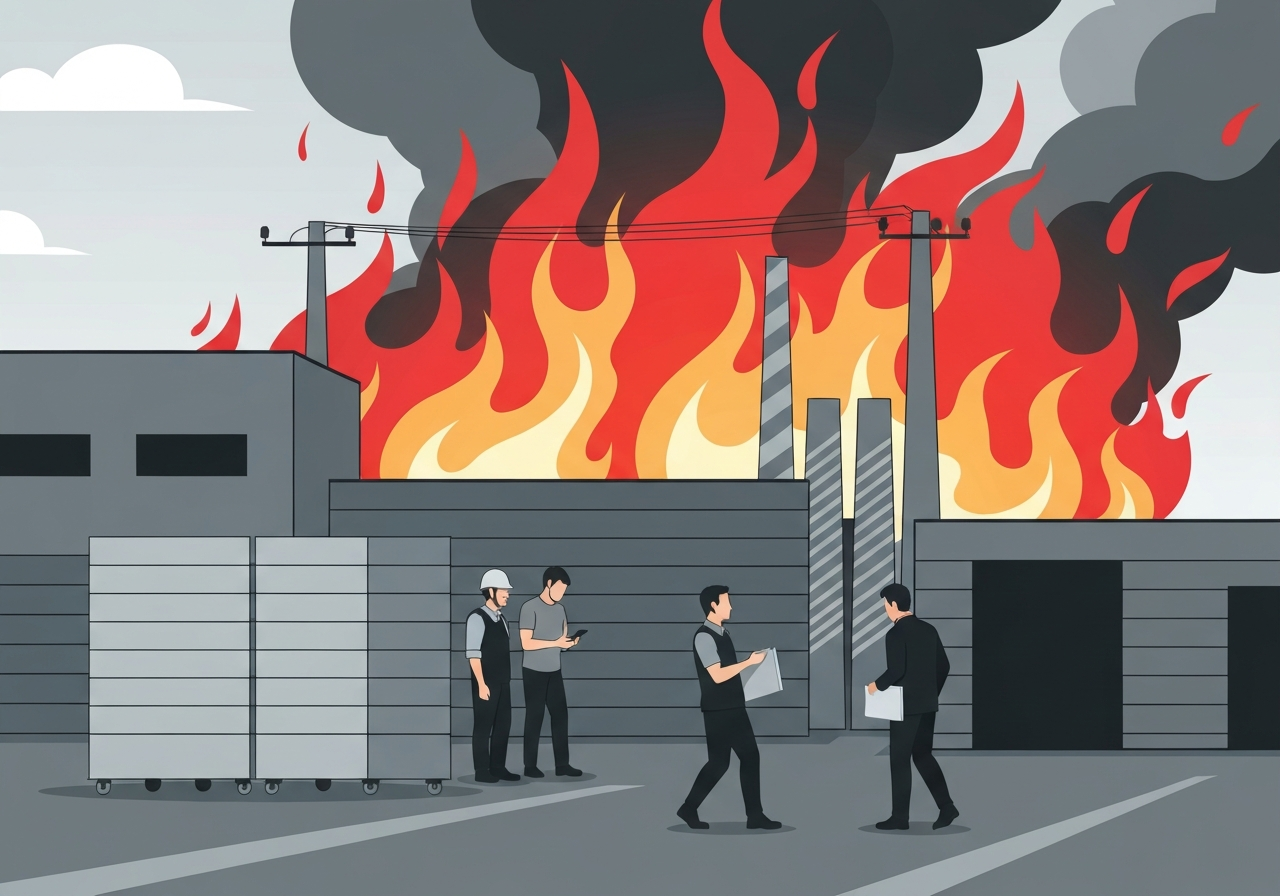
On March 20, 2026, South Korean emergency teams reported 10 deaths after a fast-moving blaze tore through a three-floor auto parts plant in Daejeon, central South Korea. The fire, which began the previous day, left nearly 60 people injured and four still unaccounted for as of Saturday morning. Officials said most of the bodies were recovered from a third-floor area used as a gym locker room, and that rescue efforts were complicated by stored chemicals and extreme heat inside the steel-frame building. Authorities are investigating the cause; the incident is the deadliest factory fire in the country since 23 workers died at a lithium-battery plant near Seoul in 2024.
Key Takeaways
- Ten people were confirmed dead after a fire at an auto parts factory in Daejeon; four people remain missing.
- Nearly 60 people sustained injuries; the Ministry of the Interior and Safety reported 25 seriously injured individuals.
- Most bodies were recovered from a third-floor space used as a gym locker room; some victims required DNA testing for identification.
- Firefighters delayed applying water because around 200 pounds of chemicals inside the plant could react dangerously if doused immediately.
- Search-and-rescue operations used unmanned firefighting robots and canine teams; structural heat and collapse risk slowed recovery.
- The blaze was the deadliest factory fire in South Korea since a 2024 lithium-battery plant disaster that killed 23 workers.
- The fire occurred as the country prepared for a BTS comeback concert in Seoul on the evening of March 20, 2026, underscoring the event’s timing amid national shock.
Background
South Korea’s industrial sector has faced growing scrutiny over workplace safety since several high-profile accidents in recent years, including the 2024 lithium-battery plant fire that killed 23 workers near Seoul. Regulators and labor advocates have repeatedly called for stricter enforcement of storage rules for hazardous materials, clearer evacuation protocols and better emergency access in tightly packed manufacturing facilities. The automotive parts sector relies on many small- and medium-sized suppliers clustered in urban industrial zones, where space constraints and older buildings can amplify risk in a major fire.
National authorities oversee safety standards but enforcement often depends on local inspections and company compliance. After the 2024 battery-plant disaster, legislators proposed measures to tighten oversight of chemical inventories and improve training for first responders, but implementation has been uneven. Workers at small factories frequently report pressures to maintain production schedules, which critics say can undermine thorough safety checks and investments in fire suppression systems.
Main Event
The fire erupted on Friday at a three-floor auto parts plant in Daejeon. Emergency calls reporting heavy smoke prompted an immediate response, but the blaze spread rapidly through the facility’s interior. Video footage broadcast on public networks showed workers escaping by jumping from windows while firefighters deployed ladders and hoses to reach trapped employees. Local fire chief Nam Deuk-woo said crews arriving on scene found people leaping from upper floors amid dense smoke.
Fire crews reported they could not initially apply water directly to the most intense flames because of roughly 200 pounds of chemicals stored inside the building that might have reacted dangerously with water. That concern forced teams to alter tactics: crews used unmanned firefighting robots to cool hot zones and to lower internal temperatures before human rescuers entered for recovery. Heat and a potential risk of structural collapse further delayed access to some areas.
By late Friday the main blaze had been extinguished, and search-and-rescue operations continued into Saturday. Most bodies were located early Saturday inside the third-floor locker-room space; officials said several victims were burned so severely that DNA testing would be necessary to confirm identities. Authorities warned that the death toll could rise as canine teams and crews rechecked debris for four people still listed as missing.
Analysis & Implications
At a policy level, the Daejeon fire highlights persistent gaps in hazardous-materials management and emergency response in light-manufacturing settings. The presence of chemical stocks that complicated initial firefighting efforts underlines the need for stricter inventory controls and clearer protocols for first responders on when and how to use water-based suppression versus alternative agents. If investigators find lapses in storage rules or inspection records, regulators may pursue faster rulemaking and enforcement actions.
The human toll is likely to intensify scrutiny of oversight for small and mid-size manufacturers that supply larger firms. Major automakers and parts buyers often rely on dense supplier networks; supply-chain managers may face pressure to audit vendor safety practices more frequently, which could raise short-term costs but reduce long-term disruption risk. Insurers and corporate compliance teams will also be watching for liability cases or compensation claims tied to the incident.
Public confidence in industrial safety regimes can be affected by high-profile tragedies, and the government’s response will influence both domestic sentiment and international perceptions of South Korea’s factory standards. A thorough, transparent investigation and timely updates on the condition of the missing and injured will be critical to maintaining trust. Conversely, slow or opaque action could prompt public protests or renewed calls for labor protections.
Comparison & Data
| Event | Date | Location | Confirmed Fatalities |
|---|---|---|---|
| Daejeon auto parts factory fire | March 19–20, 2026 | Daejeon | 10 (plus 4 missing) |
| Lithium-battery plant fire | 2024 | Near Seoul | 23 |
Compared with the 2024 lithium-battery disaster, the Daejeon fire involved fewer confirmed fatalities but similar complications from stored hazardous materials. Both incidents underscore how chemical inventories and building configuration can multiply harm during a conflagration. Policymakers and safety engineers will likely use these cases to reassess inventory caps, separation distances and mandatory suppression systems for facilities storing volatile substances.
Reactions & Quotes
“By the time we arrived, workers were jumping out of factory windows as the interior filled with smoke,”
Nam Deuk-woo, Daejeon Fire Department chief
Nam’s brief remark framed the urgency faced by crews and the chaotic conditions inside the plant. Officials emphasized that immediate life-saving operations were constrained by both chemical hazards and structural heat.
“The presence of large quantities of chemicals forced us to adopt remote cooling methods before direct suppression,”
Ministry of the Interior and Safety (official statement)
The ministry’s statement explained why firefighters used robots and delayed direct water application; it also noted an ongoing probe into regulatory compliance and inspection records for the facility.
“Incidents like this highlight recurrent vulnerabilities in small-scale manufacturing that require coordinated inspection and supplier oversight,”
Independent industrial-safety analyst
An outside analyst urged faster regulatory follow-through and more rigorous audits of supplier networks to reduce the chances of similar tragedies.
Unconfirmed
- The precise ignition source of the Daejeon factory fire has not been confirmed and is under investigation.
- It is not yet verified whether storage or handling violations directly contributed to the rapid spread; inspection records are still being reviewed.
- The identities of the four missing persons and their survival prospects remain unconfirmed pending recovery and forensic work.
Bottom Line
The Daejeon factory fire is a stark reminder that hazardous-materials storage and emergency readiness remain central challenges for South Korea’s manufacturing clusters. While the confirmed death toll of 10 is lower than the 2024 battery-plant disaster, the presence of chemicals, rapid fire spread and multiple injuries all indicate systemic vulnerabilities that regulators and industry must address.
Authorities’ next steps—completing a transparent investigation, releasing inspection records and rapidly identifying the missing—will shape public response and policy outcomes. Expect tighter scrutiny of similar facilities, potential regulatory changes on chemical inventories, and greater pressure on supply-chain actors to demonstrate compliance with safety standards.
Sources
- The New York Times (U.S. newspaper; original reporting)
- Yonhap News Agency (South Korean wire service)
- Ministry of the Interior and Safety (Official government statement)