
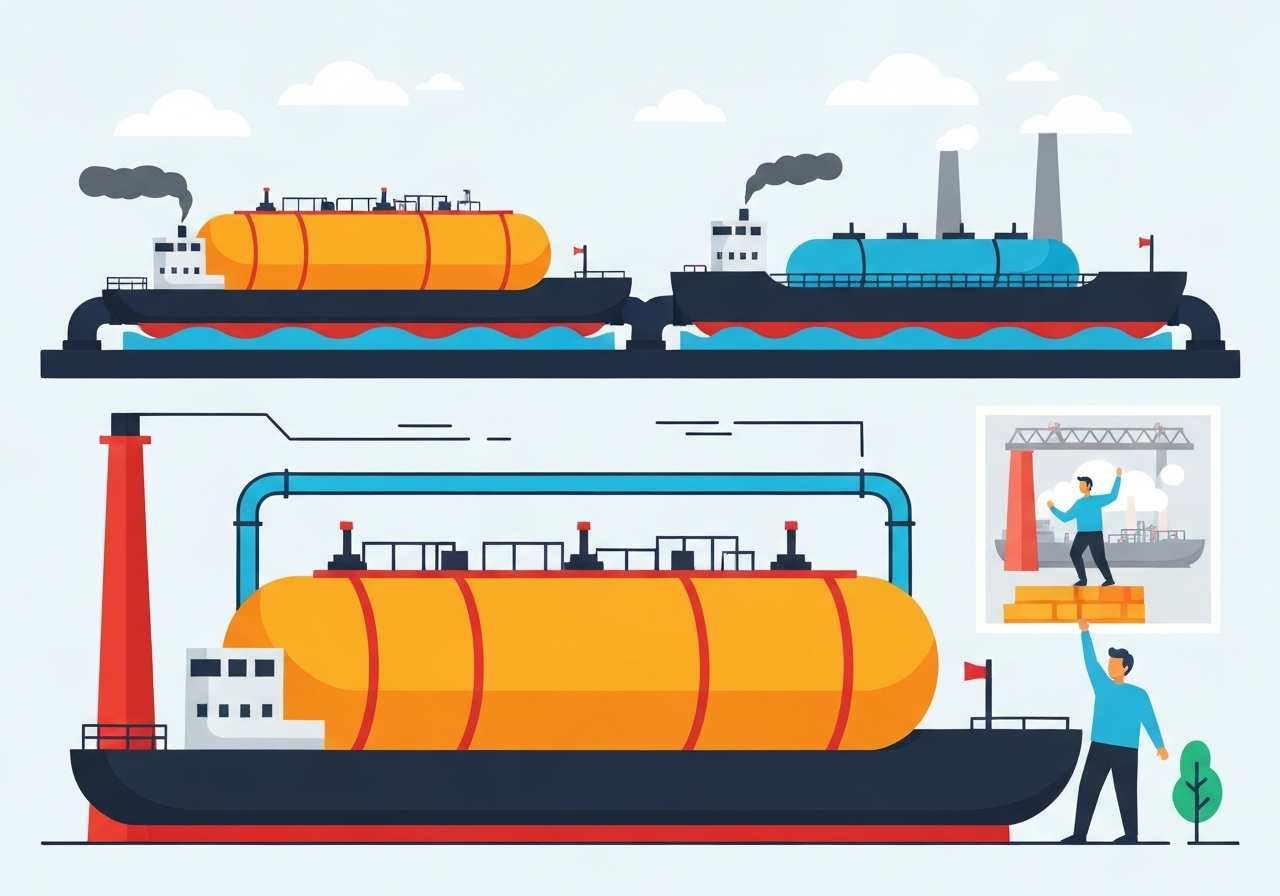
Three weeks into the Iran war, headline crude futures are telling only part of the story: while Brent futures have risen more than 50% to about $112 a barrel, the prices consumers pay for physical fuels — gasoline, diesel and jet fuel — have surged even higher in many markets as disruptions tighten actual supply. The near‑closure of the Strait of Hormuz and repeated attacks on Middle East energy facilities have curtailed flows and raised delivery and insurance costs, widening the gap between paper markets and the physical trade. That divergence is reshaping refinery runs, regional trade flows and retail prices, producing sharper pain for end users than crude benchmarks suggest.
Key Takeaways
- Brent futures rose more than 50% to roughly $112 a barrel by March 20–21, 2026, reflecting expected loss of seaborne supply.
- The Strait of Hormuz is effectively near‑closed for many commercial flows, forcing tankers to reroute or suspend voyages and reducing immediate availability of Middle East crude.
- Attacks on regional energy infrastructure have cut throughput at several facilities, amplifying spot shortages for refined products used by consumers.
- Physical fuel prices — including gasoline, diesel and jet fuel — have increased faster than headline crude, producing higher retail inflation pressure in affected markets.
- Refiners are adjusting runs and product allocations, prioritizing local fuel supply and causing regional price differentials to widen.
- Insurance and freight cost spikes are adding a premium to delivered barrels, further decoupling landed prices from futures benchmarks.
- Market liquidity and arbitrage mechanisms are under strain, heightening the risk of volatile price swings if supply disruptions persist.
Background
The conflict in and around Iran entered its third week in March 2026 after an escalation that targeted both shipping and onshore energy assets. The Strait of Hormuz, which channels a significant share of global seaborne oil, has seen commercial transits fall sharply as operators avoid the corridor amid attacks and heightened military presence. Historically, disruptions in Hormuz have immediately tightened seaborne flows and pushed crude benchmarks higher; this episode has followed that pattern but produced an unusually large disconnect between paper prices and the physical market.
Refining capacity and regional storage constraints amplify the effect of crude flow disruptions. When feedstock shipments are delayed or diverted, refiners face choices about which products to prioritize, often favoring domestic gasoline and diesel supply over exports. That behavior, combined with route diversions that lengthen voyage times and raise freight costs, quickly pushes spot prices for refined fuels above what the nearest futures contracts imply. Market participants — from trading houses to national oil companies — are scrambling to reallocate cargoes and hedge new risks.
Main Event
By March 20, 2026, Brent futures had climbed to approximately $112 a barrel, a rise of more than 50% since before the conflict intensified. That move reflected traders pricing in the near‑complete closure of the Strait of Hormuz and the anticipated loss of millions of barrels per day of seaborne export capacity. However, market participants report that many physical cargoes are commanding premiums above the futures curve because buyers must secure immediate delivery or alternative supplies at short notice.
Several Middle East refineries and export terminals were reported hit by attacks in the first three weeks of the conflict, temporarily reducing throughput and the availability of refined products for export. Shipping operators have either delayed sailings, sought longer alternative routes around Africa, or suspended voyages to high‑risk areas, all of which add days and costs to deliveries. Those operational changes translate into higher landed costs for importing countries and less product available for cross‑border flows.
In response, refiners in consuming regions have adjusted utilization and product slates to shore up local markets. Some have ramped up gasoline runs while cutting exports, and others have switched crude grades to maintain diesel output. These tactical changes help domestic supply but remove barrels from the international pool, reinforcing regional price spikes. Meanwhile, traders report thinner liquidity in the physical prompt market, making short‑term sourcing more expensive.
Analysis & Implications
The widening gap between futures and the physical market matters because most end users pay prices linked to local spot and retail markets, not the front‑month futures contract. When spot refined fuel prices run ahead of crude benchmarks, consumers and businesses face sharper cost shocks that can feed into inflation metrics, transport costs and airline fares. Central banks and fiscal authorities will need to monitor these pass‑throughs when assessing policy responses.
Insurance and freight premiums are likely to persist while the Strait of Hormuz remains unsafe for normal commercial traffic. Higher insurance charges increase the landed cost of imports, creating a persistent uplift to fuel prices that is not easily hedged by futures positions. That structural premium can keep physical prices elevated even if futures stabilize, complicating efforts by governments to shield consumers through strategic releases or subsidies.
For oil producers and trading houses, the divergence reduces the effectiveness of standard arbitrage strategies. When logistical constraints prevent cargoes from moving freely, regional dislocations can persist and create multi‑speed markets. This raises the prospect of prolonged periods in which benchmark prices understate the short‑term cost of energy services in importing economies, potentially altering investment, storage and hedging decisions.
Comparison & Data
| Measure | Change since pre‑conflict |
|---|---|
| Brent futures (global benchmark) | +~50% to ~$112/b (by March 20–21, 2026) |
| Physical refined fuels (regional spot) | Higher than futures in many markets; premiums vary by region and logistics |
| Shipping/insurance costs | Notable increase due to rerouting and risk; adds to landed price |
The table highlights the observable facts: Brent futures have posted a clear numerical increase, while physical refined products and logistical costs show larger, regionally varied increases that are not captured solely by the futures number. Market participants say granular spot data is fragmented across ports and product types, making a single global percentage for refined fuels unreliable without regionally disaggregated reporting.
Reactions & Quotes
Officials, analysts and civil society groups have responded to the divergence between paper and physical markets, emphasizing different policy priorities.
“Paper markets are signaling scarcity, but the immediate pain is showing up in pump prices and freight invoices — that is where households feel it,”
Independent energy analyst
“We are tracking a rapid rerouting of ships and higher premiums for voyage insurance, which is directly lifting delivered fuel costs,”
Maritime risk monitoring group
“Governments must prepare targeted support for vulnerable households while avoiding long‑term market distortions,”
Consumer advocacy organization
Unconfirmed
- The precise magnitude of the premium for physical refined fuels varies widely by port and remains incompletely reported across all importing regions.
- Exact duration of the near‑closure of the Strait of Hormuz is uncertain and depends on military and diplomatic developments yet to be confirmed.
Bottom Line
Headline Brent futures convey a large price shock — roughly a 50% increase to about $112 a barrel as of March 20–21, 2026 — but they do not fully capture the higher, regionally uneven costs that consumers face for gasoline, diesel and jet fuel. Logistical disruptions, insurance and rerouting add a separate premium to delivered barrels that can keep retail prices elevated even if futures markets calm. Policymakers should track spot market and logistical indicators, not just benchmark futures, when designing emergency responses.
For businesses and consumers, the immediate implication is that energy cost pressure may outpace what futures contracts suggest, with knock‑on effects for transport, inflation and supply chains. If the Strait of Hormuz and regional facilities remain constrained, expect prolonged regional price differentials, continued volatility in physical markets, and wider economic impacts that require targeted, data‑driven interventions.