
Lead
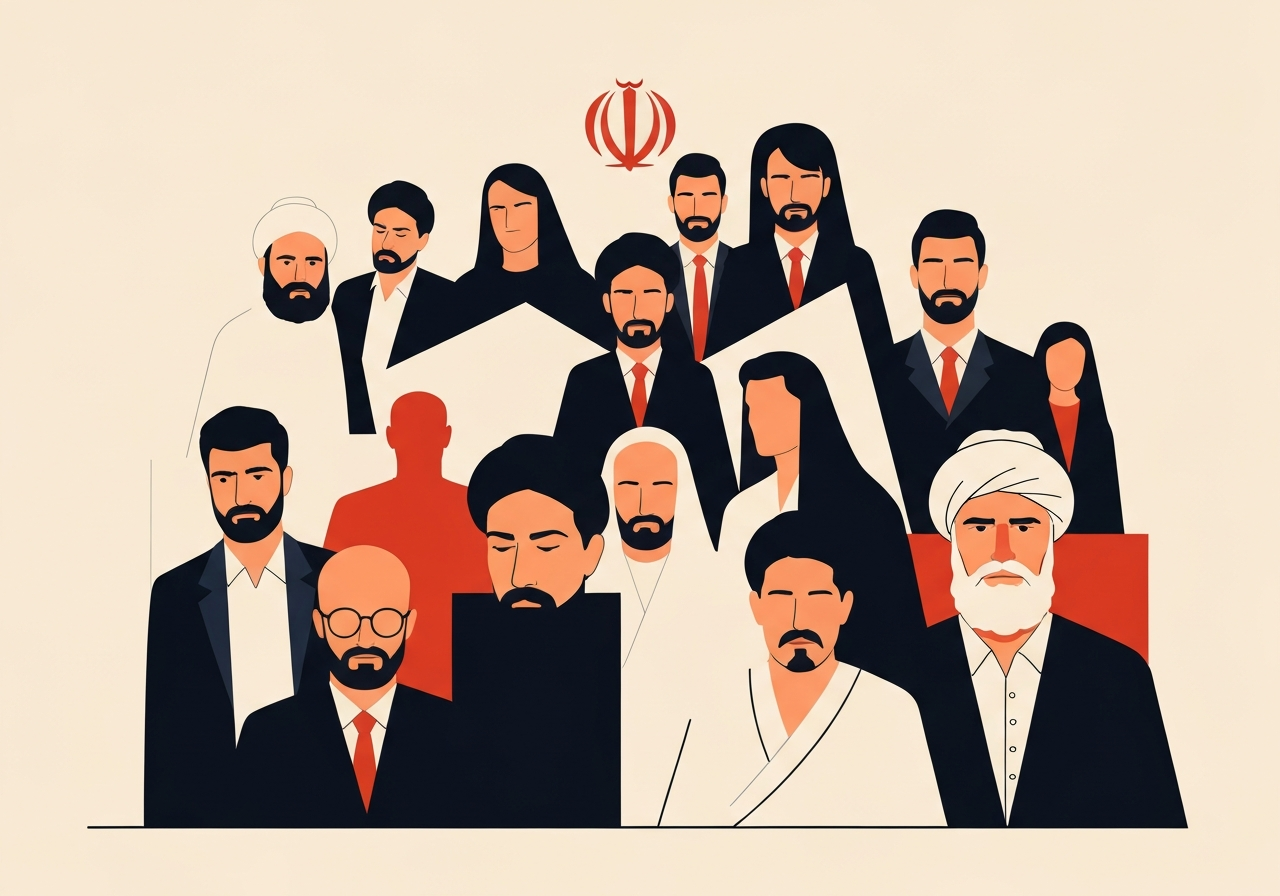
Between June 2025 and March 2026 a sequence of air and missile strikes struck the Islamic Republic’s leadership and military command. According to confirmed reports compiled by international media, at least 70 senior Iranian officials and commanders were killed in two main waves of attacks: the June 2025 “12-Day War” strikes and a second wave of coordinated strikes in February–March 2026. The February 28, 2026 strike on Tehran’s leader’s residence reportedly killed Supreme Leader Ali Khamenei along with numerous top commanders. The confirmed tallies and named victims below reflect only those deaths verified by reporting agencies.
Key Takeaways
- Confirmed deaths: Reporting based on verified accounts places the confirmed total at at least 70 senior Iranian officials and commanders across June 2025–March 2026.
- June 2025 (12-Day War): Israeli airstrikes beginning 13 June 2025 targeted Tehran command centers and killed multiple senior IRGC and armed-forces figures, including Hossein Salami and Mohammad Bagheri.
- 28 February 2026: A US and Israeli strike on the Supreme Leader’s residence reportedly killed Ali Khamenei and around 40 senior commanders in the first wave of that operation.
- Operation name: Israeli forces described the February 28 operation as the first wave of “Roaring Lion,” saying about 40 individuals were killed “in less than one minute” (as reported by media).
- March 2026 follow-up: Between 2–20 March, further US and Israeli strikes struck command centers and individuals in Tehran, Beirut and other locations; among the confirmed March 20 deaths were Esmail Ahmadi, Ali‑Mohammad Naeini and Mehdi Rostami Shomastan.
- Named list: The confirmed compilation contains 50+ named senior officials across both waves and ancillary strikes; additional confirmed victims (including several nuclear scientists) bring the total to at least 70.
- Attribution and verification: The published compilation relies on confirmed reporting; many additional, unverified casualty claims circulated and are treated as unconfirmed.
Background
Tensions between the Islamic Republic of Iran, Israel and the United States escalated through the early 2020s across proxy conflicts, covert operations and competing military postures. Iran’s security architecture centers on the Islamic Revolutionary Guard Corps (IRGC), its Quds Force for external operations, the Basij militia for domestic mobilization, and parallel intelligence bodies inside the Ministry of Intelligence and armed‑forces general staff. Over preceding years those institutions had been the object of targeted operations and sanctions, heightening vulnerability of senior leadership to precision strikes.
The June 2025 hostilities — widely referred to in reporting as the 12‑Day War — began with fast, concentrated airstrikes on Tehran and key command facilities. The strikes killed multiple senior IRGC commanders and staff officers, and reportedly hit installations tied to the country’s missile and aerospace forces. That episode marked a notable escalation from earlier selective targeting, with many observers noting the strike profile resembled a coordinated campaign against centralized command nodes.
By early 2026, reporting described a renewed sequence of high‑profile strikes. On 28 February 2026, multiple media outlets said the Supreme Leader’s residence was struck in an operation attributed to Israeli and US forces; further strikes in March struck headquarters, logistics nodes and foreign branches of Iranian security services, including a March 8 strike on a Beirut hotel reported to have hit IRGC Lebanon‑branch personnel.
Main Event
The first major cluster of confirmed deaths occurred during the June 13–25, 2025 period. Reported victims included: Hossein Salami (Commander‑in‑Chief, IRGC), Mohammad Bagheri (Chief of Staff of the Armed Forces), Gholamali Rashid (Khatam al‑Anbiya commander) and several senior IRGC aerospace and intelligence commanders. Attacks targeted command centers, an IRGC‑linked building and detention infrastructure such as Evin Prison, according to the contemporaneous reports.
The second, larger wave of deaths began 28 February 2026 when combined US and Israeli strikes struck the Supreme Leader’s residence complex in Tehran. Reporting states Ali Khamenei was killed in that strike alongside roughly 40 senior military and security commanders, including senior advisers and heads of key defence and intelligence organizations. The Israeli army, as reported in media coverage, said a first wave of the operation eliminated about 40 individuals in under one minute.
Following the initial 28 February blow, a series of follow‑on strikes over 2–20 March 2026 targeted command headquarters, logistics and intelligence offices both inside Iran and in regional locations. Confirmed March victims include Saleh Asadi, Mohammad Shirazi, Esmail Khatib (Minister of Intelligence, reported killed 18 March), and other senior IRGC, Basij and Ministry of Intelligence figures. A March 8 strike on the Ramada Plaza Hotel in Beirut was reported to have killed multiple Quds Force Lebanon‑branch intelligence and finance officers.
The reporting also records targeted losses among advisers and deputies across the Armed Forces General Staff, the Basij Organization and the Ministry of Intelligence. Several persons listed as senior deputies and heads of planning, logistics and intelligence were confirmed killed between 2 and 20 March, increasing disruption to Iran’s command continuity.
Analysis & Implications
Immediate impact: The confirmed deaths of top military and security leaders represent a profound organizational shock. The loss of the Supreme Leader, top IRGC commanders and senior staff officers would remove longstanding decision‑makers and experienced operational planners, degrading institutional memory and the command chain across multiple organs simultaneously.
Succession and political effect: If the Supreme Leader’s death and the simultaneous removal of key commanders are confirmed, Iran faces an accelerated and politically fraught succession process. Power transitions in the Islamic Republic typically involve consultations among clerical, military and political elites; the sudden removal of multiple senior actors could intensify internal contests within the Guardian Council, the Assembly of Experts, and security institutions over successor selection and control of the military apparatus.
Regional security: Removing large numbers of senior IRGC and Quds Force personnel will likely reshape Iranian external operations and proxies in Lebanon, Syria, Iraq and Yemen. Short‑term disruptions to chain‑of‑command may reduce coordinated external operations, but could also produce decentralized, unpredictable behaviour as mid‑level commanders or allied militias act autonomously in the near term.
Risks of escalation: The strikes that produced these confirmed deaths were attributed to Israel and, in key instances, to US participation. Such attribution raises risks of reciprocal operations, broader regional campaigns, and a heightened chance of miscalculation. International diplomatic channels and allied states’ responses will be critical to preventing an expanded military conflagration.
Comparison & Data
| Date/Period | Event | Named confirmed victims (selected) | Named count (selected) |
|---|---|---|---|
| 13–25 June 2025 | “12‑Day War” Israeli strikes on Tehran/command centers | Hossein Salami; Mohammad Bagheri; Gholamali Rashid; Amir Ali Hajizadeh; multiple IRGC aerospace/intel commanders | ~23 named in contemporaneous reporting |
| 28 February 2026 | US and Israeli strike on Supreme Leader’s residence (first wave) | Ali Khamenei; Ali Shamkhani; Mohammad Pakpour; Abdolrahim Mousavi; Aziz Nasirzadeh | ~40 individuals reportedly killed in first wave (IDF statement as reported) |
| 2–20 March 2026 | Follow‑on strikes on command centers, logistics and foreign branches | Saleh Asadi; Mohammad Shirazi; Esmail Khatib; Ali Larijani; Gholamreza Soleimani; others | ~28 named across March reporting |
Context: The table above aggregates named, confirmed victims cited in media compilations. The named counts shown are based on those lists; additional confirmed deaths (including several nuclear scientists and other senior aides) are recorded elsewhere in reporting, producing the broader “at least 70” figure.
Reactions & Quotes
“About 40 individuals were killed in less than one minute during the first wave of the operation.”
Israeli army (as reported by Euronews)
That statement, as cited in the reporting, framed the speed and concentration of the February operation. The reporting attributes the figure and timing to Israeli military statements summarised by news outlets.
“According to reports based on confirmed accounts, the number of these senior officials reaches at least 70.”
Euronews (international media)
The compilation this article is based upon draws on that confirmed reporting to enumerate named victims and to separate confirmed from unconfirmed claims.
Unconfirmed
- Complete casualty roll: Numerous additional names circulated after the strikes; many remain unverified and are excluded from the confirmed compilation.
- Attribution detail: While some strikes were publicly attributed to Israeli forces and others to combined US‑Israeli action, the specific attribution for all individual strikes and all deaths is not independently verified in open reporting.
- Scope of nuclear scientist losses: Reports reference several Iranian nuclear scientists killed during the June 2025 strikes; comprehensive, confirmed lists and roles for those scientists remain incomplete in public sources.
Bottom Line
The confirmed compilation of deaths across June 2025 and February–March 2026 documents an extraordinary disruption to Iran’s security and command elite. The reported death of the Supreme Leader alongside dozens of senior commanders, if verified in full, constitutes an unprecedented decapitation of multiple layers of Iran’s state security apparatus.
Policy and regional consequences hinge on succession decisions inside Iran, the ability of remaining institutions to reconstitute command and the responses of regional and global powers. Close monitoring of verified reporting and official statements is essential; many claimed deaths and operational attributions remain under independent verification.
Sources
- Euronews — international news outlet (compiled confirmed reporting)