
Lead
— Reporting by Business Insider and its BI Today newsletter highlights a concerning shift: colorectal cancer is increasingly affecting younger adults in the United States. Reporters spoke with more than 100 patients, clinicians, researchers and economists to document how the disease is changing lives, careers and finances. While deaths among people under 50 remain smaller in absolute terms, experts say the upward trend in younger-age diagnoses is worrying and calls for heightened awareness of early symptoms and prevention steps.
Key takeaways
- Business Insider reporting (March 21, 2026) is based on interviews with over 100 patients, clinicians, researchers and economists documenting the impact on younger adults’ work and finances.
- Colorectal cancer has recently overtaken breast and lung cancer as the leading cause of cancer deaths in the US, according to the reporting.
- Deaths in people under 50 are still relatively low in absolute numbers, but incidence and diagnoses among younger age groups are increasing.
- Researchers suspect an environmental or behavioral exposure introduced in the latter half of the 20th century may be a driver, with a pronounced rise in rectal cancers.
- Screening options include colonoscopy and at-home tests; at-home screening can serve as an accessible first step but does not replace diagnostic colonoscopy when indicated.
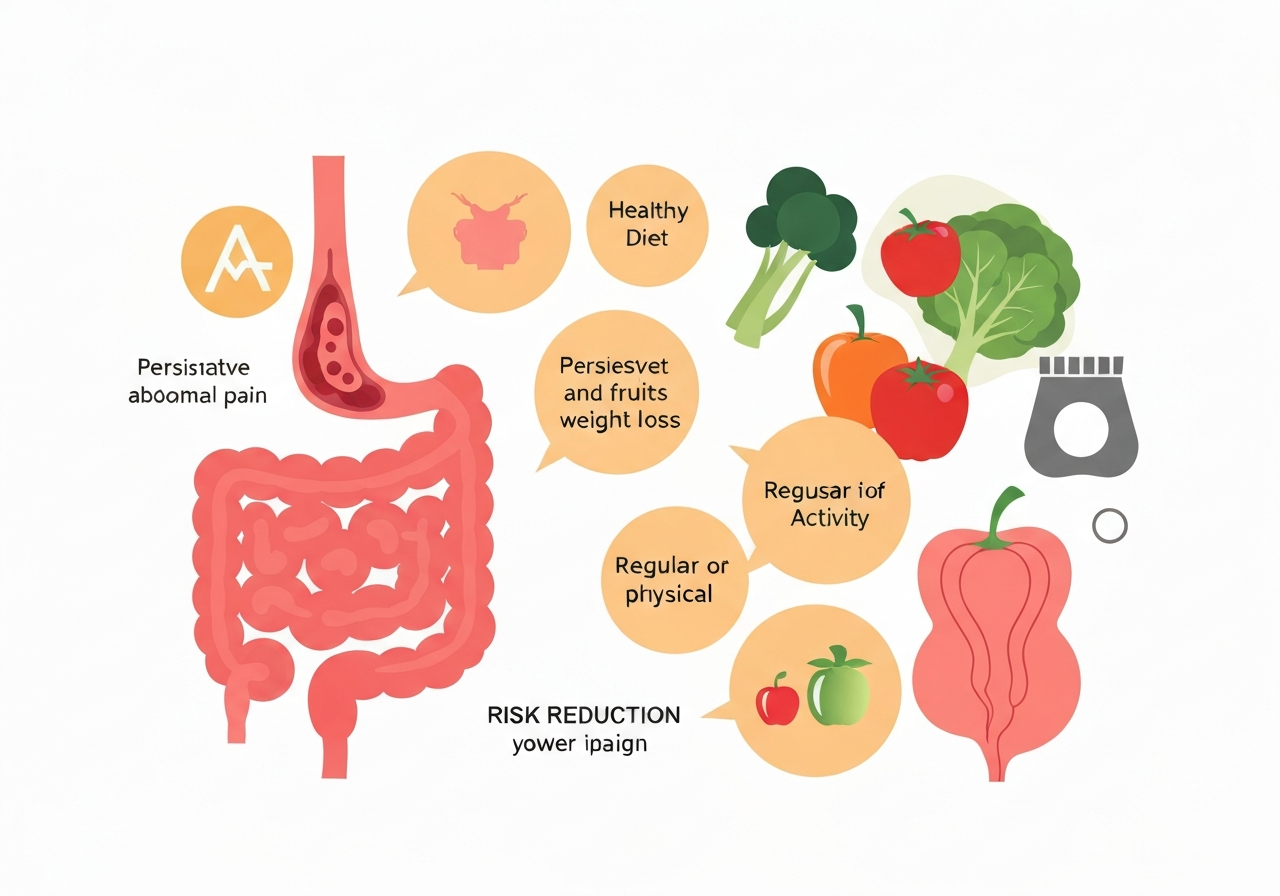
- Early, sometimes taboo symptoms—rectal bleeding, persistent change in bowel habits, unexplained weight loss—should prompt clinical evaluation, especially in younger patients who may be dismissed.
- Financial and career disruptions are a major part of the burden for younger patients, with reporting detailing lost income, treatment costs, and long-term economic effects.
Background
Colorectal cancer has historically been more common in older adults, and screening programs have focused on middle-aged and senior populations. In recent years, clinicians and public-health researchers began noticing a steady rise in diagnoses among people in their 20s, 30s and 40s. That shift prompted renewed investigation into potential causes, from lifestyle and diet to broader environmental exposures that changed during the late 20th century.
Screening guidelines and public awareness campaigns have adapted incrementally, but many younger patients still fall outside routine screening windows and face diagnostic delays because symptoms are attributed to benign conditions. The Business Insider team collected first-hand accounts showing how delays and financial strain compound the medical challenges younger patients face. Policymakers, clinicians and researchers say understanding both the medical and socioeconomic dimensions is necessary to shape prevention and support strategies.
Main event
Business Insider’s reporting assembled testimony from more than 100 individuals affected by early-onset colorectal cancer, alongside input from oncologists and epidemiologists. That reporting underscores two linked findings: an uptick in younger-age diagnoses, and outsized effects on employment and household finances among younger patients. Many interviewees described the shock of a cancer diagnosis at an age where routine screening was not expected.
Clinicians quoted in the reporting emphasized that symptoms often preceded diagnosis by months, and that taboo or embarrassing symptoms—rectal bleeding, persistent change in stool, new abdominal pain—were sometimes not reported promptly. At the same time, some providers say younger patients can face skepticism from clinicians who do not immediately suspect colorectal malignancy, delaying diagnostic colonoscopy.
Researchers and epidemiologists told Business Insider they are searching for environmental or behavioral exposures that changed in the mid-to-late 20th century and that could disproportionately affect the rectum. The pattern is not yet tied to a single cause; investigators are exploring diet, antibiotic use, microbiome shifts and other hypotheses. Meanwhile, reporting pointed readers to practical resources to lower risk and to information about at-home screening options that can increase early detection.
Analysis & implications
The rise in early-onset colorectal cancer carries public-health and economic implications. From a prevention standpoint, if an environmental or behavioral exposure is confirmed, it could open pathways to targeted interventions—regulatory, educational or clinical. But establishing causality will take time, given the complexity of exposures and long latency periods for cancer development.
Clinically, rising incidence in younger adults may prompt re-evaluation of screening thresholds and referral patterns. Public-health agencies may need to invest more in outreach that encourages symptom reporting across age groups and reduces stigma around bowel symptoms. For health-care systems, earlier-stage detection typically improves outcomes but requires accessible testing and clear pathways to diagnostic colonoscopy when screening tests are positive.
The economic fallout for younger patients is significant: job disruptions and out-of-pocket costs can erode savings and career trajectories. That amplifies calls for policies that protect employment and provide financial navigation for patients under 50. Insurers, employers and policymakers will face pressure to adapt benefits and leave policies to the changing age profile of the disease.
Comparison & data
| Group | Recent trend |
|---|---|
| People under 50 | Increasing incidence; deaths still smaller in absolute terms |
| Rectal cancers | Notable relative rise compared with other colorectal sites |
| Overall US cancer deaths | Colorectal cancer reported as the leading cause, surpassing breast and lung in recent counts |
The table summarizes qualitative trends described in the reporting. Precise numeric trends vary by dataset and year; investigators continue to release updated incidence and mortality statistics as registries compile the most recent data.
Reactions & quotes
An expert summed up the working hypothesis as follows: an environmental or behavioral change that emerged in the latter half of the 20th century may be influencing the recent rise, particularly in rectal cancers.
Rebecca Siegel, cancer epidemiologist (paraphrased)
Health reporting on the trend concluded that, for younger people, the pattern is “going in the wrong direction,” prompting concern among clinicians and researchers.
Hilary Brueck, health correspondent (paraphrased)
These reactions reflect consensus among many interviewed experts: the rise is real, the cause is not yet pinpointed, and a mix of clinical vigilance, research funding and public-health outreach is necessary.
Unconfirmed
- Specific causal exposure(s) behind the rise remain unproven; investigators have proposed hypotheses but no single factor is confirmed.
- The relative contribution of diet, microbiome shifts, antibiotic exposure, and other behavioral or environmental changes to the observed trend is still under study.
- Long-term mortality projections for younger cohorts depend on future changes in detection, treatment access and any preventive policy measures—those outcomes are not yet determined.
Bottom line
The pattern of rising colorectal cancer among younger adults is a clear signal for clinicians, public-health officials and the public: symptoms that might once have been dismissed as minor warrant evaluation, and broader awareness campaigns are needed. Early detection remains the most actionable protection for individuals—talk to a clinician about symptoms and available screening, even if you are younger than historical screening ages.
At the policy level, researchers and health systems must prioritize studies to identify causal factors and expand access to timely diagnostics and financial supports for younger patients. For readers, bookmarking reliable resources, knowing your family history, and seeking prompt medical review for persistent bowel symptoms are practical steps to reduce risk and improve outcomes.