
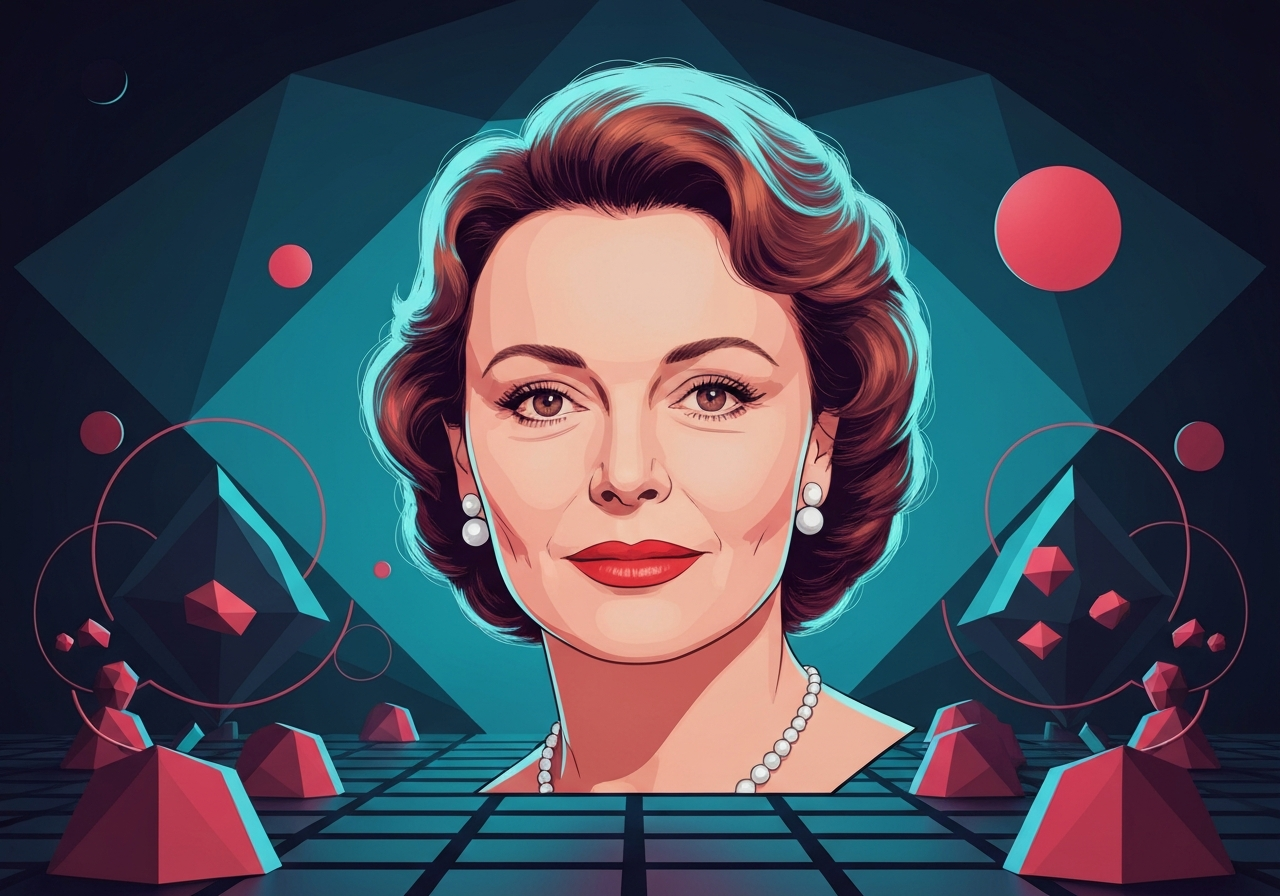
Valerie Perrine, the actress who moved from Las Vegas showgirl and Playboy model to an Oscar-nominated performer, died on March 23, 2026, at her home in Los Angeles. Her longtime friend and documentarian Stacey Souther said the cause was complications of Parkinson’s disease, a condition diagnosed in 2015. Perrine built a four-decade career with nearly 70 film and television credits, earning particular praise for her turns in Lenny and a memorable role opposite Christopher Reeve in Superman. Her death prompted immediate reflection on a career that combined overt sexuality with unexpected dramatic range.
Key Takeaways
- Valerie Perrine died March 23, 2026, in Los Angeles at age 82; her death was confirmed by Stacey Souther.
- Perrine was diagnosed with Parkinson’s disease in 2015; Souther attributed her death to complications of that illness.
- She amassed nearly 70 screen credits across more than 40 years, with notable roles in Lenny, Slaughterhouse-Five and Superman.
- Her performance in the 1974 Lenny Bruce biopic Lenny won festival recognition at Cannes and earned her an Academy Award nomination.
- Before film stardom she worked as a Las Vegas showgirl and posed for Playboy in 1972 and again in 1981.
- She appeared alongside major contemporary stars including Dustin Hoffman, Gene Hackman and Jack Nicholson.
Background
Born into an entertainment milieu that valued sex appeal, Perrine began her public career onstage in Las Vegas and in pictorials that highlighted her looks. Early film work included roles in Slaughterhouse-Five, where her presence began to register beyond mere glamour; by the mid-1970s she was being cast in parts that demanded both vulnerability and bite. The 1974 biopic Lenny became a turning point: critics and festival juries singled out her performance, a shift that turned attention from her image to her craft. Her casting as Eve Teschmacher in Superman (1978) further cemented her visibility with mainstream audiences while allowing her to move between genre and prestige work.
Throughout the 1970s and 1980s Perrine navigated an industry that frequently typecast sexually confident actresses, yet she secured roles opposite leading men such as Christopher Reeve and Dustin Hoffman. Directors and casting agents often used her physicality as shorthand, but reviewers increasingly noted a depth to her character work. Her nearly 70 credits span feature films, television movies and series guest spots, reflecting steady employment rather than fleeting stardom. In later years she became the subject of a 2019 documentary by Stacey Souther, who remained a close friend and advocate.
Main Event
The news of Perrine’s death was released March 23, 2026, by Stacey Souther, who directed a documentary about her life and maintained contact in subsequent years. Souther told reporters Perrine had been living in Los Angeles and that her health had declined after the 2015 Parkinson’s diagnosis; he attributed her passing to disease-related complications. Colleagues and collaborators responded by highlighting both her early boldness on screen and the surprising sensitivity of several acclaimed performances. Public memorial arrangements had not been announced as of the initial report.
Perrine’s career path — from nightclub stages to Hollywood sets — was visible in the variety of projects she undertook: mainstream studio fare, independent features and television work. Her most widely remembered screen roles include the incendiary, lauded turn in Lenny and the lighter, scene-stealing role in Superman. She also appeared in ensemble projects such as the 1980 musical film Can’t Stop the Music, where she shared the screen with members of the Village People. Industry obituaries emphasized her ability to be both an object of desire and a performer capable of nuance.
Colleagues noted that Perrine refused to be confined by early publicity angles and often chose work that challenged audiences’ expectations. That selective trajectory yielded festival recognition and awards consideration even as some of her roles capitalized on sexuality. The documentary by Souther, released in 2019, revisited these tensions and chronicled her professional arc and later-life struggles with illness. Her death closes a chapter on a performer who occupied an ambiguous space between icon and character actor.
Analysis & Implications
Perrine’s career highlights enduring tensions in Hollywood between image and craft. In the 1970s studios and publicity departments packaged actresses as sex symbols, yet festival juries and critics began rewarding performances that complicated those images. Perrine’s Cannes recognition and Academy Award nomination for Lenny exemplify that shift: she was acknowledged for acting in a period when looks still dominated casting headlines. That recognition helped set a precedent for evaluating performers who originated in glamour roles on the basis of dramatic merit.
The arc of Perrine’s work also illustrates how midcareer reinvention can alter legacy. Her movement from provocative early parts to acclaimed dramatic work broadened the range of roles available to comparable performers and challenged casting assumptions. For film historians and programmers, her catalog now presents an opportunity for retrospective appraisal: restorations or streaming placements could prompt renewed critical attention and scholarly reassessment. Estate and rights holders may see increased demand for licensing as obituaries and retrospectives circulate.
Her diagnosis with Parkinson’s disease and eventual death from related complications also draws attention to health and welfare issues for aging performers. Neurodegenerative illness has shaped late-life careers for several actors, prompting unions and advocacy groups to press for better support systems. Perrine’s experience may spur renewed discussion about medical care, pensions and archival access for older actors who built reputations in eras with fewer protections. Cultural memory of Perrine will now be shaped by both her public roles and how institutions choose to preserve them.
Comparison & Data
| Film | Year | Role | Notable Recognition |
|---|---|---|---|
| Slaughterhouse-Five | 1972 | Supporting role | Early dramatic notice |
| Lenny | 1974 | Supporting/featured | Cannes recognition; Academy Award nomination |
| Superman | 1978 | Eve Teschmacher | Mainstream visibility |
The table highlights three career touchstones across the 1970s that mark Perrine’s trajectory from supporting parts to festival-acclaimed work and broad-audience recognition. While she worked steadily beyond these titles, Lenny remains the watershed moment for awards attention. The mix of festival prizes and major-studio hits captures the dual path of critical and commercial presence that characterized her career.
Reactions & Quotes
“She died at home in Los Angeles on March 23; complications from Parkinson’s disease were the cause,”
Stacey Souther (documentary director, friend)
“A 1974 critic observed that Perrine was increasingly recognized for her acting rather than only for her looks,”
Judy Klemesrud (1974 profile, paraphrase)
Those close to Perrine emphasized her blend of audacity and craft: early profiles framed her as a striking screen presence, while later coverage focused on the layers she brought to roles that might otherwise have been decorative. Film historians noted that festival honors and awards nominations helped recast her public image.
Unconfirmed
- No immediate, detailed statement from Perrine’s family was available at the time of reporting; public comment remains limited.
- Specific funeral or memorial arrangements had not been publicly released as of the initial confirmation of her death.
- Details about Perrine’s medical course between her 2015 diagnosis and 2026 death beyond the cited complications have not been disclosed.
Bottom Line
Valerie Perrine’s passing closes the life of an actor who challenged easy categorization: she began in entertainment that foregrounded appearance but earned serious critical recognition that altered how peers and critics saw her. Her Cannes-related prize and Academy Award nomination for Lenny stand as formal acknowledgments that her work transcended early publicity frames. As retrospectives and obituaries circulate, her filmography is likely to be revisited by critics, scholars and streaming programmers.
Beyond questions of canon, Perrine’s death also underscores industry issues around aging and illness among performers. Her Parkinson’s diagnosis and the lack of extensive public detail about her later years may prompt renewed calls for archival preservation and welfare measures for veteran actors. Ultimately, Perrine’s mixed legacy of glamour and craft is likely to secure her a distinct place in film histories of the 1970s and beyond.
Sources
- The New York Times — (news report)
- Parkinson’s Foundation — (health organization)