
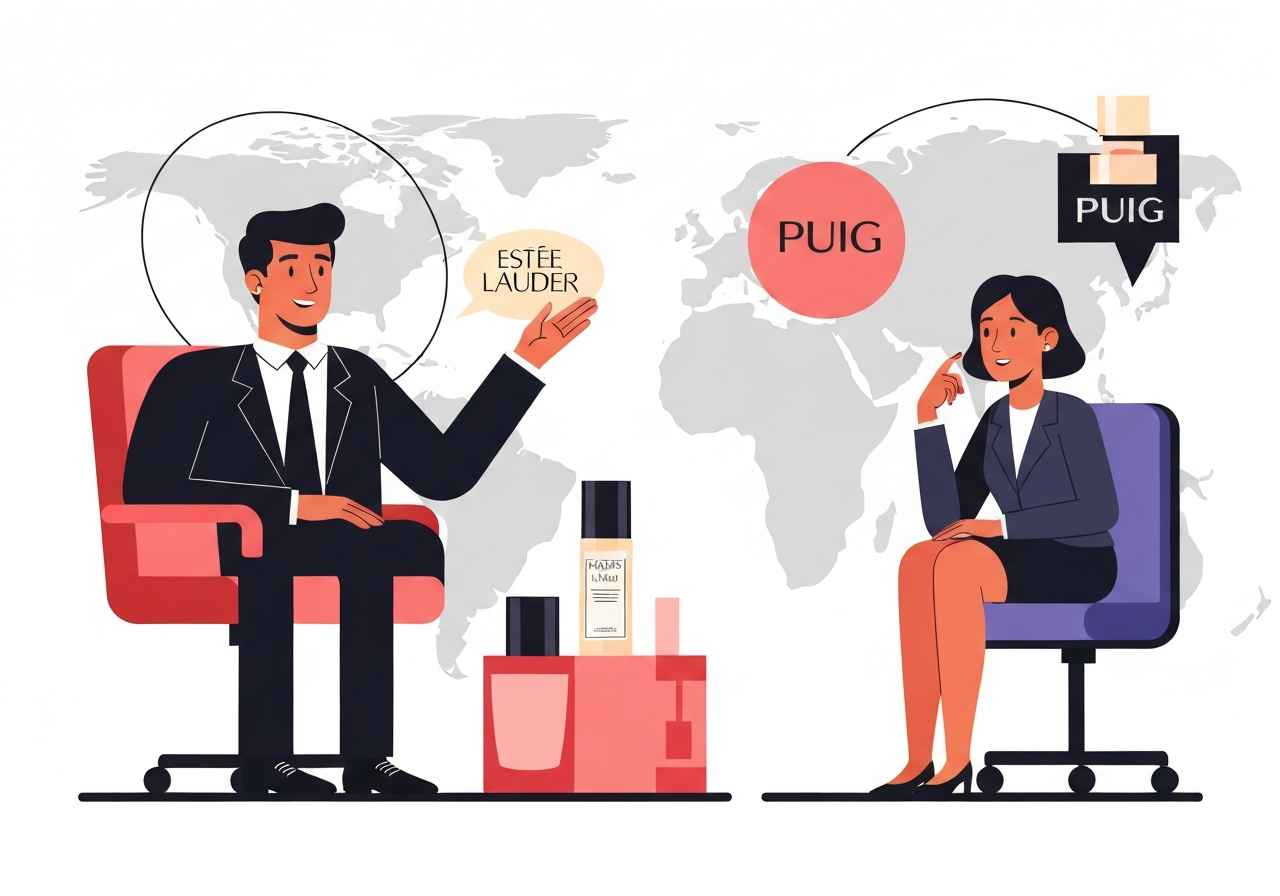
Lead: Estée Lauder Cos. is in talks to acquire Spain-based Puig Brands SA, a deal reported on March 23, 2026, that would combine businesses with roughly $20 billion in annual sales. Puig has a market value of about €10 billion ($11.6 billion). Both companies declined to disclose terms or timing, and the report prompted immediate market attention and regulatory questions.
Key Takeaways
- Report date: March 23, 2026; story updated March 24, 2026 following market reaction and additional reporting.
- The transaction would create a cosmetics and fragrance group with about $20 billion in annual sales, according to the report.
- Puig’s market capitalization is around €10 billion (approximately $11.6 billion) as noted in the report.
- Both Estée Lauder and Puig declined to provide details on price, structure or timeline when contacted.
- The report spurred immediate investor and industry scrutiny over competitive and regulatory risks in key markets.
- Key uncertainties include deal price, financing, specified brand scope and the path to antitrust approval in the EU and other jurisdictions.
Background
The global prestige beauty sector has seen sustained consolidation as multinational groups pursue scale in fragrance, skincare and luxury cosmetics. Over the last decade, dealmaking — including strategic buyouts and licensing shifts — helped firms access distribution, regional footholds and lucrative fragrance portfolios. Estée Lauder, a U.S.-based multinational, has a history of acquisitions aimed at broadening its luxury and prestige offerings and extending geographic reach.
Puig, headquartered in Spain, controls a portfolio of fashion and fragrance businesses that have driven steady revenue and brand recognition in Europe and other markets. Puig’s reported €10 billion market value positions it as a meaningful partner or target in any major tie-up. Regulators in the European Union and the United States increasingly scrutinize transactions in fast-consolidating consumer sectors, especially where distribution networks and brand portfolios overlap.
Main Event
On March 23, 2026, Bloomberg reported that Estée Lauder and Puig were in talks about a possible acquisition. The article said the deal, if completed, would create a combined business with about $20 billion in annual sales. The companies involved did not provide further information about terms, price or timing when asked, and publicly available statements were limited to noting ongoing discussions.
Market participants reacted quickly to the report; trading in related equities reflected investor reassessment of competitive dynamics and integration risk. Observers flagged immediate questions about which of Puig’s brands and regional operations would be included, and whether the transaction would be structured as a full purchase, partial stake or multi-step deal. Analysts also highlighted potential short-term disruption as management teams and boards evaluate strategic fit.
Because neither company disclosed terms, commentators and investors have relied on prior comparable deals and public metrics to model potential valuations. That exercise produced a wide range of scenarios, reflecting different assumptions about revenue synergies, cost savings and the premium typically paid for prestige beauty assets. Any definitive valuation or financing structure will remain speculative until formal announcements are made.
Analysis & Implications
Strategically, a tie-up would deepen concentration in prestige cosmetics and fragrances, giving the combined group greater negotiating power with retailers and distributors worldwide. Scale can deliver marketing and R&D efficiencies, faster geographic rollouts and stronger leverage in travel retail and luxury channels, all of which have been growth drivers for premium beauty companies.
Regulatory review is a critical hurdle. Competition authorities will assess overlap across product categories, brand positioning and distribution. Even where brand portfolios appear complementary, regulators often focus on channel-level effects—especially in duty-free, department-store concessions and digital marketplaces—so the deal could face extended review periods in multiple jurisdictions.
Integration risk should not be underestimated. Cultural fit, portfolio rationalization and decisions about which brands to prioritize will determine whether projected synergies materialize. For shareholders, near-term benefits may be tempered by integration costs and potential divestiture demands from regulators. Conversely, successful integration could yield a clearer premium-positioned competitor with global scale in fragrance and prestige cosmetics.
Comparison & Data
| Metric | Reported Figure |
|---|---|
| Combined annual sales (reported estimate) | ~$20 billion |
| Puig market value (reported) | €10 billion (~$11.6 billion) |
| Report publication | March 23, 2026 (updated March 24, 2026) |
The table above summarizes the concrete figures available from the reporting: an estimated combined revenue figure and Puig’s market capitalization. Observers should treat the $20 billion sales figure as an aggregate estimate based on public reporting rather than a disclosed transaction metric.
Reactions & Quotes
Estée Lauder Cos. said it’s in talks to buy Puig Brands SA.
Bloomberg (news)
The companies declined to offer details on the terms.
Bloomberg (news)
Market commentary since the report emphasized both the strategic opportunity and the regulatory obstacles; analysts noted that outcomes will depend heavily on scope and remedy requirements in competition reviews.
Unconfirmed
- The final purchase price and payment structure have not been disclosed and remain unconfirmed.
- The specific brands, licenses or regional units to be included in any transaction have not been named publicly.
- There is no confirmed timeline for a definitive agreement, shareholder approvals or completion.
- Potential regulatory remedies or divestitures have not been discussed publicly and are speculative at this stage.
Bottom Line
If completed, a transaction combining Estée Lauder and Puig would be one of the more significant consolidations in prestige beauty in recent years, reshaping competitive dynamics in fragrance and luxury cosmetics. The reported €10 billion market value for Puig and the roughly $20 billion combined revenue estimate underline the economic scale and strategic rationale that make such a deal plausible from a business standpoint.
However, the lack of disclosed terms, potential antitrust scrutiny across multiple jurisdictions, and integration complexity mean the outcome is uncertain. Investors and industry stakeholders should watch for formal filings, any required regulatory notifications, and subsequent statements from either company for confirmation of scope, price and regulatory strategy.