
Lead
On Sept. 10, 2025, Polish forces shot down multiple unmanned aerial vehicles that entered Polish airspace during a large-scale Russian strike on Ukraine, marking the first time a NATO member is known to have fired in the war. Warsaw reported 19 objects crossed into its airspace and said those posing a threat were neutralised, while emergency and military authorities held an extraordinary government meeting. Prime Minister Donald Tusk invoked Article 4 of the NATO treaty and warned of a serious, deliberate provocation. Officials ordered residents in several eastern regions to shelter and temporarily closed major airports amid heightened alerts.
Key takeaways
- Poland reported 19 objects entered its airspace during the Russian attack on Sept. 10, 2025, and said it shot down those judged to be a threat.
- Polish radars tracked more than 10 objects that were subsequently neutralised; operations were reported concluded by morning.
- Ukraine said Russia used 415 drones and 40 missiles in the overnight strikes; Kyiv reported at least eight Shahed-type drones were directed toward Poland.
- Prime Minister Donald Tusk activated NATO Article 4, requesting consultations with allies amid what he called a large-scale provocation.
- Chopin Airport in Warsaw closed airspace for several hours; the Lublin airport in eastern Poland also remained closed, causing ongoing disruptions.
- European officials and the EU’s top diplomat described the incident as potentially intentional escalation and urged tougher measures against Moscow.
- Historical context: countries bordering Ukraine have seen occasional spillovers, but this is the largest reported cross-border drone incursion and the first known instance of a NATO member firing back.
Background
Russia’s war in Ukraine, now more than three years in duration, has seen periodic cross-border spillovers into neighbouring states’ airspace, including errant missiles and drones. While individual missiles or drones have previously crossed into Poland and other border states, there has not been a documented instance on this scale where a NATO member engaged and shot down multiple objects. Poland, a frontline NATO member, has repeatedly urged stronger allied air-defence cooperation and increased military support for Ukraine.
The invocation of Article 4 by Prime Minister Tusk signals an intent to consult with alliance partners on security implications without automatically triggering collective defence measures under Article 5. NATO has historically treated stray ordnance differently from deliberate incursions; the alliance said it was consulting closely with Warsaw and did not classify the event as a full-scale attack at the time. European leaders have been debating tougher sanctions and expanded defensive measures as the war has persisted and intensified.
Main event
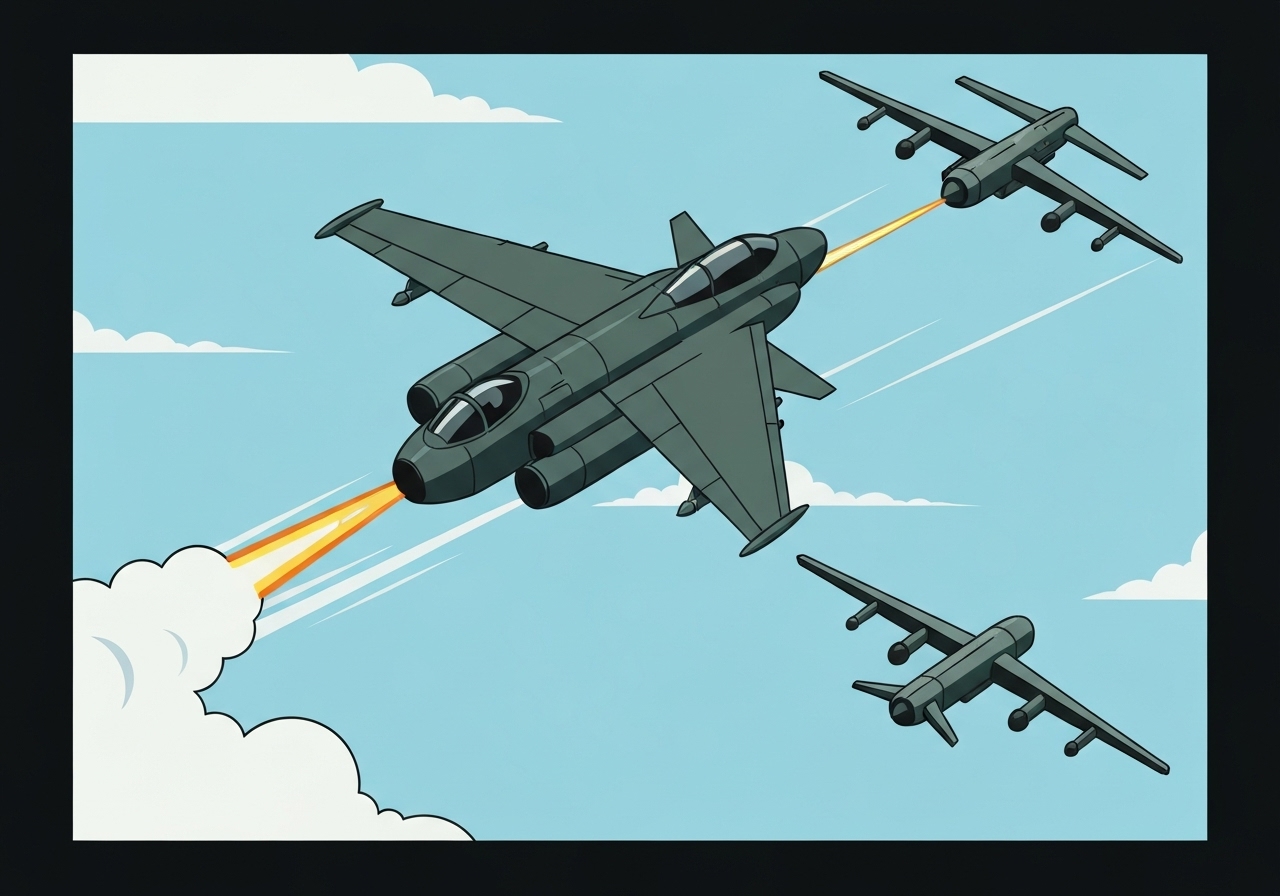
Shortly after midnight local time on Sept. 10, Polish air-defence systems detected multiple aerial objects entering from the direction of the Ukraine frontier amid a broad Russian assault on Ukrainian infrastructure and positions. Polish F-16 fighters, NATO F-35 and surveillance AWACS aircraft were involved in monitoring and response operations, supplemented by aerial refuelling assets during the overnight mission. Military command said radars tracked more than 10 objects and that those assessed as posing a danger were neutralised over Polish territory.
Prime Minister Tusk convened emergency and military officials at the chancellery, describing the episode as a serious provocation and announcing the activation of Article 4 consultations with NATO allies. Authorities imposed shelter-at-home guidance for residents in three eastern voivodeships judged at higher risk and temporarily closed Warsaw’s Chopin Airport and Lublin’s airport, producing travel disruption through the morning. By daylight Polish command reported operations had concluded and no further incursions were detected.
Russia’s state agencies denied that the incursion was deliberate and said Poland had not provided evidence the downed drones were Russian. Ukrainian officials, including President Volodymyr Zelenskiy, publicly described a far larger barrage across Ukraine—415 drones and 40 missiles—and said several Iranian-made Shahed drones were aimed toward Poland. NATO sources said they were treating the episode as an intentional incursion for consultation purposes, not as an Article 5 attack.
Analysis & implications
The shooting down of drones inside a NATO member’s airspace marks a potentially significant escalation in the conflict dynamic around Ukraine. Even if the systems involved were small drones, their use across borders raises questions about command, intent and risk of miscalculation between nuclear-armed powers. Warsaw’s move to consult allies under Article 4 underscores concern that accidental spillovers are giving way to operations that allied capitals view as deliberate tests of thresholds.
For NATO, the incident sharpens focus on integrated air and missile-defence coverage at the alliance’s eastern flank. Several officials have called for strengthened air-defence deployments and coordination with partners operating surveillance and strike-capable platforms. The presence of NATO aircraft from multiple member states in the response indicates both operational readiness and the political complexity of defending allied airspace while avoiding direct, wider military escalation.
Politically, the episode could accelerate EU and transatlantic deliberations on sanctions, including measures aimed at Russia’s oil transport networks and entities supporting its military logistics. Several European leaders urged a stronger united response and sought U.S. agreement on coordinated penalties. At the same time, any push for heavier military measures risks further escalation and will require careful diplomatic calibration to maintain allied unity.
Comparison & data
| Metric | Reported figure |
|---|---|
| Russian air attack (Ukraine) | 415 drones, 40 missiles |
| Objects entering Polish airspace | 19 objects reported |
| Objects tracked by Polish radars | More than 10 tracked |
| Polish casualties from prior stray ordinance (2022) | 2 fatalities (errant Ukrainian air-defence missile) |
These figures illustrate the disproportion between the scale of the strike on Ukraine and the subset that crossed into Polish airspace. The 19 objects reported over Poland constitute a small fraction of the 415 drones Ukraine described, but their political and security weight is amplified by NATO’s collective-defence guarantees and geographic proximity to EU capitals. Historical incidents have produced occasional cross-border harm, but not the documented engagement by a NATO member reported here.
Reactions & quotes
Polish leadership framed the events as a deliberate and dangerous provocation, prompting consultations with NATO allies and domestic emergency measures. The Operational Command urged civilians in eastern regions to stay indoors as forces assessed and addressed the threat.
“We are dealing with a large-scale provocation. We are ready to repel such provocations. The situation is serious…”
Prime Minister Donald Tusk (Poland)
European institutions and neighbouring capitals called for a firmer stance against Moscow and for enhanced regional defences. The EU’s foreign policy chief characterized the incursion as evidence of escalation and called for increased deterrence and support for Ukraine.
“Russia’s war is escalating, not ending. We must raise the cost on Moscow, strengthen support for Ukraine, and invest in Europe’s defence.”
Kaja Kallas (EU diplomat)
Ukraine’s president portrayed the event as part of a large, concerted campaign against Ukrainian infrastructure and a direct risk to neighbouring countries, calling for a united international reaction. Russia denied responsibility and questioned the evidence linking the downed drones to Moscow.
“A strong response is needed — and it can only be a joint response by all partners: Ukraine, Poland, all Europeans, the United States.”
President Volodymyr Zelenskiy (Ukraine)
Unconfirmed
- Attribution of the downed drones to Russia has been disputed; Russian officials said no evidence has been presented publicly to prove Russian origin.
- Whether the drones’ crossing was a deliberate escalation or an operational spillover from the large strike on Ukraine remains contested among officials and analysts.
Bottom line
The Sept. 10 incursion and Poland’s decision to shoot down objects in its airspace represent a pivotal moment in the Ukraine war’s spillover risks. While numerically the objects over Poland were a small fraction of the overall barrage on Ukraine, the political consequences are outsized because a NATO member engaged and sought allied consultations. How NATO and partner states respond in the coming days — through defence posture changes, sanctions coordination or diplomacy — will shape whether this episode remains a contained incident or a step toward broader escalation.
For readers, the central point is that cross-border military activity is increasingly likely to produce hard security choices for NATO members close to the conflict. Monitoring allied consultations, air-defence deployments and coordinated economic measures will be key indicators of how Western capitals manage the balance between deterrence and de-escalation.