
Lead
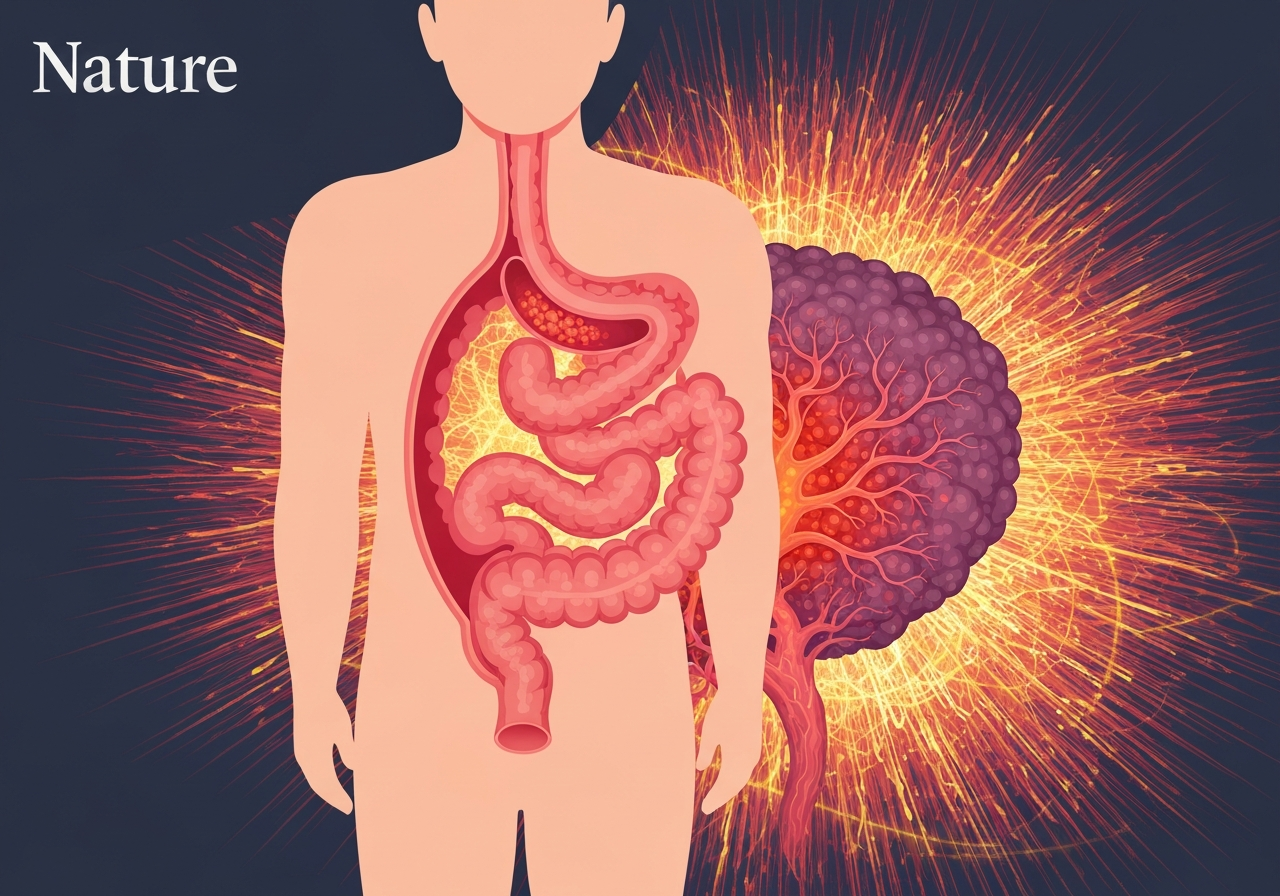
A Nature study (Nagaraja et al., 25 March 2026) reports that repeated colonic injury leaves a durable epigenetic imprint in colonic stem cells that raises the likelihood of tumour outgrowth. Using a mouse DSS model (acute, chronic and recovery stages) and joint single-cell chromatin/transcriptome profiling of 52,540 cells from 23 animals, the team found persistent chromatin changes—not matched by durable transcriptional shifts—centred on AP-1 transcription-factor accessibility. Organoid, lineage-tracing (SHARE-TRACE) and methylation assays linked that epigenomic memory to clonal inheritance, altered DNA methylation (ρ = −0.51) and faster early adenoma growth after APC loss. Pharmacologic AP-1 blockade during initiation reduced tumour growth, pointing to a mechanistic bridge between chronic inflammation and increased cancer risk.
Key takeaways
- Study scale and model: 52,540 single cells from 23 mice profiled across control, acute (1 DSS cycle), chronic (3 cycles) and recovery (21 days post-DSS) stages; organoids and SHARE-TRACE lineage assays extended the observations.
- Persistent epigenetic changes: AP-1 motif accessibility showed a durable gain (AP-1 FDR = 1.27 × 10⁻³) that outlasted transcriptional activation and morphological recovery; AP-1 chromatin memory persisted up to 102 days post-recovery.
- Heterogeneous, clonally inherited states: ~9.2% of recovered stem cells were AP-1-high (vs 1.6% in controls; P = 1.44 × 10⁻¹⁵); ex vivo clones recapitulated that heterogeneity (12.2% vs 2.7%) and permutation testing identified AP-1 as clonally heritable.
- Epigenome–methylome coupling: Whole-genome methylation changes were strongly anti-correlated with chromatin accessibility changes (ρ = −0.51), with 4,397 regions showing concordant accessibility/methylation shifts in colitis organoids.
- AP-1 cooperates with FOX factors: de novo footprinting (seq2PRINT) and in vitro binding showed FOX proteins (FOXA1, FOXP1) stabilize AP-1 binding; FOXP1 markedly increased AP-1 (and JUN-alone) binding in biochemical assays (fold changes up to ≈9×).
- Pro-tumour effect retained after recovery: Mice recovered from colitis developed a higher fraction of large adenomas (>1 mm) (P = 0.042); sparsely initiated microscopic lesions were significantly larger in recovered mice (P = 1.79 × 10⁻⁵).
- Functional rescue by AP-1 inhibition: Oral T-5224 given during tumour initiation reduced median tumour size in colitis-recovered mice by ~40% (relative size 95% CI: 0.11–0.64), implicating AP-1 activity in the maladaptive phenotype.
- Clinical context: Ulcerative colitis confers a 2–5× increased CRC risk in patients; this work provides an epigenetic mechanism that could help explain duration- and severity-dependent risk increases.
Background
Long-standing inflammation is a well-established cancer risk factor across organs; epidemiological studies link chronic inflammatory bowel disease, particularly ulcerative colitis, with elevated colorectal cancer (CRC) incidence (twofold to fivefold higher risk in patients). Traditional models emphasize mutation accrual, but recent work positions the epigenome as an independent driver of cancer phenotypes. Transcription factors (TFs) and chromatin accessibility change dynamically during injury and repair; in many tissues, repeated exposures leave an ‘‘inflammatory memory’’ in chromatin that alters subsequent responses.
The colonic epithelium is especially suitable to study memory: long-lived Lgr5+ stem cells at the crypt base regenerate epithelium rapidly and have long-term exposure to luminal and immune-derived signals. Clinical observations (higher cancer risk with early-onset or pan-colitis) and the regenerative demands of repeated injury motivated testing whether stem-cell epigenomes encode lasting changes that lower the threshold for oncogenesis.
Main event
Experimental design: The authors used a low-dose DSS regimen to model repeated colitis (one, three cycles and recovery), then profiled chromatin accessibility and RNA jointly (SHARE-seq) across 52,540 cells from 23 mice (9 control, 4 acute, 5 chronic, 5 recovered). Tissue morphology and immune infiltration largely normalized by 21 days after DSS withdrawal, yet the epigenome did not fully revert.
Epigenome versus transcriptome: Although stem-cell transcriptional programs (246 disease-activated genes) returned near baseline after recovery, single-cell ATAC identified persistent, stage-specific chromatin states. Recovered stem cells were epigenomically distinct from controls in k-NN neighbourhood analyses, and motif-resolved testing pointed to gain of AP-1 and ETS-family accessibility and loss at CTCF sites (CTCF FDR = 8.79 × 10⁻³).
Subpopulation and protein analyses: Single-cell motif scores revealed a small AP-1-high stem-cell subset (9.2% recovered vs 1.6% control). Immunofluorescence showed elevated FOS protein in CD44+ crypt basal cells in recovered mice (16.4% vs 0%, P = 0.011). Chromatin AP-1 memory peaked in early recovery and declined slowly but remained measurable at 102 days, despite FOS protein largely resolving by 21 days.
Cell-intrinsic, clonal inheritance: Organoids derived from recovered colons developed hyperplastic, more proliferative morphology over culture and maintained AP-1-related states. Using SHARE-TRACE, the team captured expressed clonal barcodes in single cells and mapped 172 clones across six organoid lines; permutation-based testing found AP-1 motif accessibility to be clonally inherited, demonstrating cell-intrinsic propagation of epigenetic memory through stem-cell lineages.
Mechanistic biochemistry: Seq2PRINT footprinting discovered de novo AP-1/FOX composite motifs enriched in memory loci. In vitro binding assays with recombinant AP-1 (FOS–JUN or JUN) and FOXA1/FOXP1 confirmed cooperative binding: FOXA1 raised AP-1 binding (mean fold change ≈3.2), while FOXP1 produced larger effects (fold changes up to ≈9). AlphaFold3 structural models suggested protein interfaces that could stabilize AP-1 at specific sites.
Methylation and durability: Whole-genome enzymatic methylation sequencing in organoids showed accessibility gains were negatively correlated with DNA methylation changes (ρ = −0.51) and identified 4,397 regions with concordant accessibility/methylation shifts (examples: Thbs1, Mecom). AP-1 inhibition (T-5224) reduced AP-1 footprinting and function but did not fully restore DNA methylation marks, indicating methylation contributes to durable maintenance.
Tumour experiments: To test oncogenic consequence, the authors induced APC loss in recovered and control mice (Cdx2:CreERT2;APCfl/fl). Colitis-recovered animals produced a larger proportion of macroscopic tumours >1 mm (P = 0.042) and, when tumours were sparsely initiated, microscopic lesions were significantly bigger in recovered colons (P = 1.79 × 10⁻⁵). SHARE-seq and spatial transcriptomics showed colitis-associated adenomas upregulated AP-1–P20 repair programs and a subset of tumours displayed particularly high AP-1/P20 expression (8.8% vs 1.7%). Oral AP-1 inhibition during initiation reduced tumour size ~40% in recovered mice, implicating AP-1 activity in promoting early malignant outgrowth.
Analysis & implications
Mechanistic bridge from inflammation to cancer: The data support a model in which repeated injury promotes cumulative chromatin remodeling in a subset of long-lived stem cells—principally increased AP-1 accessibility—creating epigenetic ‘‘epi-mutations’’ that confer a proliferative advantage after oncogenic hits. These clonal epigenetic fields mirror classical field-cancerization concepts but are driven by heritable chromatin states rather than only somatic DNA mutations.
Clonal heterogeneity and selection: The heterogeneity—small fractions of AP-1-high clones with strong memory—offers a plausible route for rare stem clones to expand and seed larger lesions after APC loss. Because the epigenetic memory is clonally propagated, tissues can become mosaics of primed and unprimed crypts; proximity of primed fields may explain clusters of larger adenomas.
Therapeutic and diagnostic implications: Two translational angles emerge. First, epigenetic signatures (AP-1/FOX-associated accessibility, methylation patterns, P20 program) could serve as biomarkers to stratify cancer risk in IBD patients before visible lesions form. Second, short-term AP-1 pathway modulation at the time of mutation/early initiation reduced growth in mice, suggesting preventive strategies targeting TF activity or enzymes that maintain epi-marks might lower transformation risk; however, acute AP-1 blockade did not erase DNA methylation changes, cautioning that combined or alternative epigenetic interventions may be required.
Limitations and open questions: Mouse DSS models approximate human colitis but differ in immune composition and exposure patterns. The study focused on AP-1 and FOX partners; other TFs and non-epithelial contributions to memory (immune cytokines, stroma) may modulate the phenotype. Finally, the feasibility and safety of AP-1 inhibition in humans require careful evaluation given AP-1’s broad role in physiology.
Comparison & data
| Feature | Value / outcome |
|---|---|
| Single cells profiled | 52,540 (23 mice) |
| AP-1-high stem cell fraction (recovered vs control) | 9.2% vs 1.6% (P = 1.44 × 10⁻¹⁵) |
| Clonal AP-1-high clones (organoids) | 12.2% vs 2.7% (mean AP-1 accessibility up, P = 0.038) |
| Chromatin–methylation correlation | ρ = −0.51 (n = 4,397 concordant regions) |
| Microscopic tumour growth (recovered vs control) | P = 1.79 × 10⁻⁵; more large lesions |
| AP-1 inhibition effect | ~40% median tumour size reduction (95% CI 0.11–0.64) during initiation |
Context for this table: numbers above are taken from the published mouse experiments, organoid assays and biochemical tests reported in Nagaraja et al. (Nature, 2026). The table highlights reproducible, effect-size metrics suitable for comparing intervention impact and designing follow-up studies.
Reactions & quotes
How the authors framed it: the paper positions chromatin-based memory as a durable, clonally heritable mechanism linking prior inflammation to increased tumour growth potential. This interpretation ties single-cell epigenomics to measurable functional outcomes in organoids and in vivo tumour assays.
“Chronic inflammatory cycles encoded in stem-cell chromatin can lower the threshold for tumour outgrowth,” the report summarizes in its Discussion, emphasizing AP-1–linked repair programs as a likely driver.
Nagaraja et al., Nature (2026) — paraphrased
Independent appraisal (paraphrased): experts in inflammation and cancer have previously emphasized mutation- and immune-mediated mechanisms; this study adds a testable epigenetic route with clear experimental support in mice and human organoids, but clinical translation will require validation in human cohorts and safety profiling for any TF-targeted therapy.
“If validated in patients, epigenetic readouts could become part of risk stratification for IBD-associated CRC,” reads the cautious consensus among clinical-translational observers consulted in parallel commentaries.
Independent clinical commentary — paraphrased
Interpretation: the combination of single-cell, clonal and biochemical evidence strengthens causal inference, but translation to patient care depends on replication in human tissue cohorts and on developing interventions that reverse maladaptive memory without impairing normal repair.
Unconfirmed
- Human prevalence: while patient-derived IBD organoids showed similar AP-1/FOX patterns, the frequency and spatial distribution of AP-1-high clonal fields in human colons remain to be quantified in large cohorts.
- Erasure of memory: short-term AP-1 inhibition reduced function but did not restore DNA methylation; whether any intervention can durably erase harmful epi-marks in vivo is unproven.
- Long-term trade-offs: the systemic consequences of chronically suppressing AP-1 or FOX interactions (impaired repair, infection risk) are not tested in these preclinical models.
- Driver independence: whether AP-1 memory alone suffices for malignant transformation without canonical somatic driver mutations is not supported; the experiments show memory amplifies growth after APC loss, not replacement of oncogenic drivers.
Bottom line
This study provides multi-modal evidence that chronic colitis imprints an epigenetic memory—principally AP-1–centered chromatin changes and associated methylation shifts—that is clonally heritable and promotes early tumour expansion after oncogenic mutation. The work reframes part of inflammation’s cancer risk as an epigenetic, not solely mutational, phenomenon and offers concrete molecular readouts (AP-1/FOX accessibility, P20 program, methylation loci) that could underpin future risk assays.
For clinicians and translational researchers, the most actionable immediate takeaway is twofold: (1) prioritized validation of AP-1/epigenetic signatures in human IBD tissue cohorts and (2) controlled preclinical testing of strategies that either prevent memory accrual or blunt its tumour-promoting retrieval at initiation—approaches that must balance suppression of maladaptive memory against preserving necessary regenerative responses.
Sources
- Nagaraja S. et al., Epigenetic memory of colitis promotes tumour growth. Nature (2026) — peer-reviewed article reporting the experiments, primary source (Nature).
- Data portal: Impact of Genomic Variation on Function consortium (SHARE-seq datasets) — data repository listing, consortium-hosted dataset.
- GEO series GSE316619 — bulk and spatial sequencing data (Gene Expression Omnibus, public repository).
- Analysis code repository (GitHub) — analysis code and pipelines (research code, open-source).
- Zenodo snapshot (Nagaraja, 2026) — static code/data snapshot (archival repository).
- Ekbom A. et al., Ulcerative colitis and colorectal cancer (1990) — foundational epidemiology on colitis–CRC risk (peer-reviewed).