
Lead
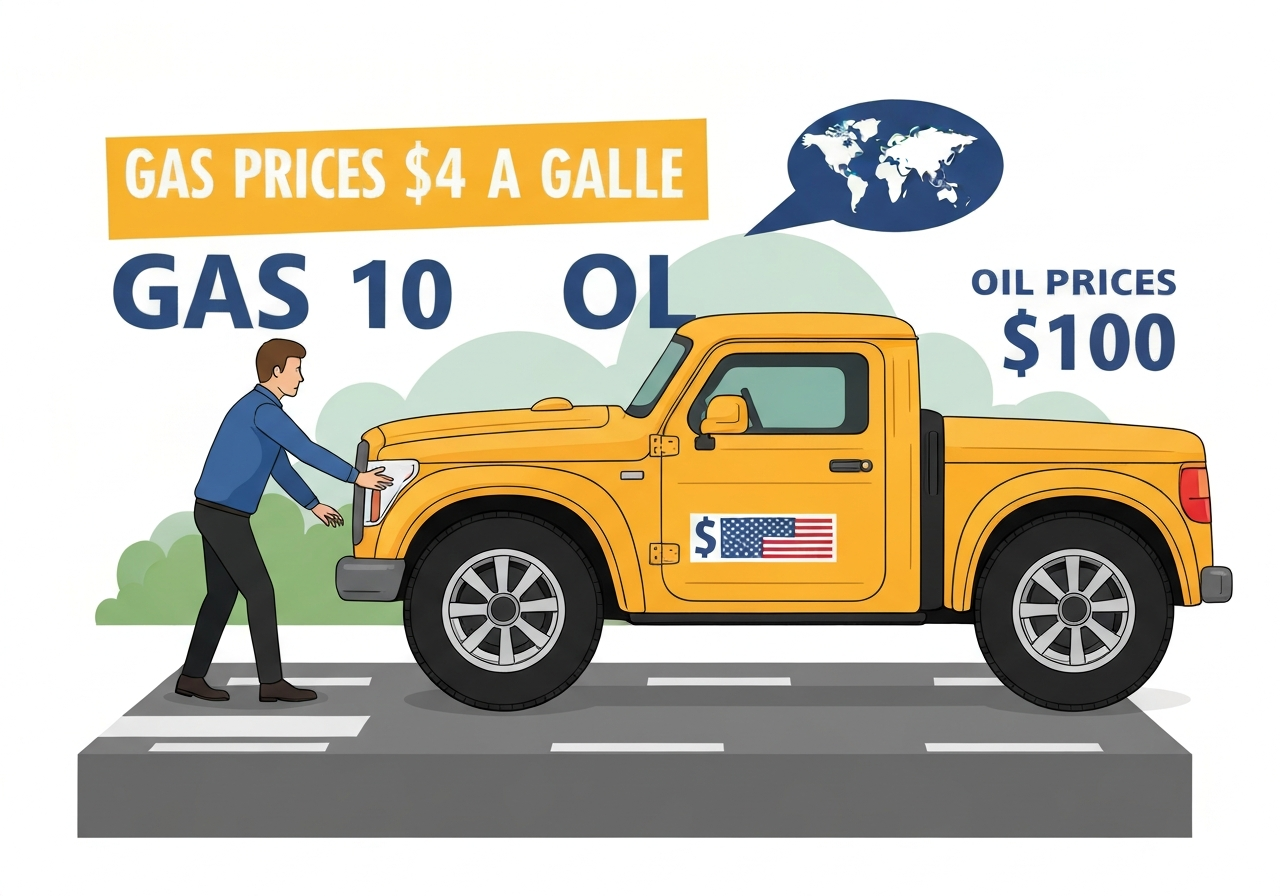
U.S. pump prices climbed past an average of $4.00 per gallon on Tuesday, the first time motorists have seen that national level since 2022, as the war linked to Iran has pushed global crude above $100 per barrel. The motor club AAA reported a national regular-gasoline average of $4.02, about $1.00 higher than before the conflict began. Supply disruptions in the Middle East and cuts by regional producers have tightened markets, lifting both Brent and U.S. benchmark crude from roughly $70 to more than $100 a barrel. The move is already being felt by drivers and businesses and could feed into higher consumer prices nationwide.
Key Takeaways
- National average for regular gasoline: $4.02 per gallon (AAA), the first time above $4 since mid‑2022.
- Crude oil benchmarks: Brent and U.S. crude trading above $100 per barrel, up from about $70 before Feb. 28, 2026.
- Diesel spike: U.S. diesel averaging $5.45 per gallon, up from roughly $3.76 pre‑conflict (AAA).
- State extremes: California average near $5.89/gal; Oklahoma around $3.27/gal (AAA).
- Consumer concern: AP‑NORC poll shows 45% of U.S. adults are very or extremely worried about affording gas in coming months (up from 30%).
- Global example: Paris retail gasoline ~2.34 euros/liter (~$2.68/liter), about $10.27 per gallon, reflecting steeper import impacts.
- Freight impact: Higher diesel costs threaten trucking, rail and agricultural fuel bills, potentially raising grocery prices and inflationary pressure.
Background
The recent surge follows the launch of a U.S.-Israel campaign against Iran on Feb. 28, 2026, which has disrupted shipping routes and damaged oil and gas facilities in the region. The Strait of Hormuz — historically carrying about one‑fifth of global seaborne oil flows — has seen limited tanker traffic, complicating producers’ ability to move crude to market. In response, some Middle East producers have cut exports, amplifying a global supply shortfall.
Oil markets were already volatile after the 2022 war in Ukraine, which pushed U.S. averages above $5 per gallon in June 2022. Although U.S. output and exports provide some buffer — the United States is a net oil exporter — the country still imports crude and refined products, leaving domestic pump prices sensitive to international disruptions. Seasonal patterns also play a role: spring travel demand and the switch to more costly summer gasoline blends typically lift prices in the months ahead.
Main Event
On Tuesday AAA published data showing the U.S. national average for regular gasoline at $4.02 per gallon. That level marks an increase of about $1.00 compared with prices before the Feb. 28 conflict began. Market participants point to spikes in benchmark crude prices — both Brent and U.S. domestic crude above $100 per barrel — as the principal driver of the jump at the pump.
Diesel has risen even more sharply, averaging $5.45 per gallon in the U.S., according to AAA, intensifying costs for freight operators and sectors that rely on diesel‑powered equipment. The U.S. Postal Service has proposed temporary surcharges on some services to cover higher transportation expenses, a sign of how fuel inflation can propagate through logistics chains.
Regional differences are pronounced: California’s average approached $5.89 per gallon on Tuesday, while Oklahoma recorded about $3.27, reflecting variations in local tax structures, refinery configurations and supply logistics. Analysts warn that continued constraints around the Strait of Hormuz or further strikes on energy infrastructure could push prices yet higher.
Analysis & Implications
Higher gasoline and diesel translate into direct pocketbook pain for consumers and input‑cost pressure for businesses. For households, elevated fuel bills reduce discretionary spending, which can weigh on retail sales and services. The AP‑NORC polling data indicates rising consumer anxiety about fuel affordability — a political and economic vulnerability in an election year.
For businesses, especially those in transportation and agriculture, diesel is a major operating expense. An increase from about $3.76 to $5.45 per gallon significantly raises per‑mile and per‑ton shipping costs. Those added expenses are often passed along to consumers through higher grocery and goods prices, adding to headline and core inflation measures.
Monetary and fiscal policymakers will be monitoring these developments. Persistent energy price inflation can complicate central bank decisions on interest rates by feeding into broader price expectations. At the same time, governments may face political pressure to ease the burden through strategic petroleum releases or temporary tax relief on fuel.
Comparison & Data
| Measure | Before Feb. 28 | Current (per AAA) |
|---|---|---|
| U.S. regular gasoline (national avg) | ~$3.00/gal | $4.02/gal |
| U.S. diesel (national avg) | ~$3.76/gal | $5.45/gal |
| Brent & U.S. crude | ~$70/barrel | >$100/barrel |
| California regular (avg) | N/A | ~$5.89/gal |
| Oklahoma regular (avg) | N/A | ~$3.27/gal |
The table above summarizes key price points cited by industry sources. The national average gasoline figure rose roughly $1.00 from pre‑conflict levels; diesel increased by about $1.69 per gallon. International benchmark crude has climbed by roughly $30 per barrel, driving refined fuel cost increases globally and contributing to uneven regional price impacts.
Reactions & Quotes
Drivers and analysts expressed frustration and concern as prices moved higher.
“I think it’s outrageous.”
Kelly Gravlin, Michigan motorist
Gravlin described filling her Toyota Forerunner and paying nearly $3.95 per gallon at a regional warehouse station, illustrating how local prices can vary from the national average. Other drivers reported trimming household budgets, cancelling subscriptions and changing shopping habits as fuel costs rose.
“It’s going to mean more expensive bills for truckers, tractors and trains … and broadly speaking, a rise in U.S. inflation.”
Patrick De Haan, head of petroleum analysis, GasBuddy
De Haan and other analysts emphasized that diesel price increases in particular would reverberate through supply chains and grocery prices. Industry notices and some carriers have already proposed temporary surcharges to offset higher fuel expenses.
Unconfirmed
- Duration of any Strait of Hormuz blockade and the exact timeline for restored tanker traffic remain uncertain and could change supply projections.
- Projections that U.S. average gasoline will reach $4.50 or the 2022 record near $5.00 are estimates by analysts and are not guaranteed; they depend on future conflict developments and producer responses.
- The extent to which governments will tap emergency reserves or coordinate additional supply increases is still under negotiation and not yet finalized.
Bottom Line
Fuel costs have re‑entered a range that materially affects household budgets and business operating costs. With U.S. regular gasoline averaging $4.02 and diesel substantially higher, transportation and food prices face upward pressure, posing risks to consumer spending and inflation trends in the months ahead.
Key variables to watch are crude price trajectories, security in the Strait of Hormuz, and policy responses such as releases from strategic petroleum reserves or temporary tax adjustments. For consumers, localized price differences will persist; for policymakers and markets, the interplay between geopolitics and supply decisions will determine whether this spike proves transitory or more sustained.
Sources
- Associated Press (news report)
- AAA Gas Prices (industry data)
- GasBuddy (industry analysis)
- U.S. Postal Service (official announcement)