
Lead
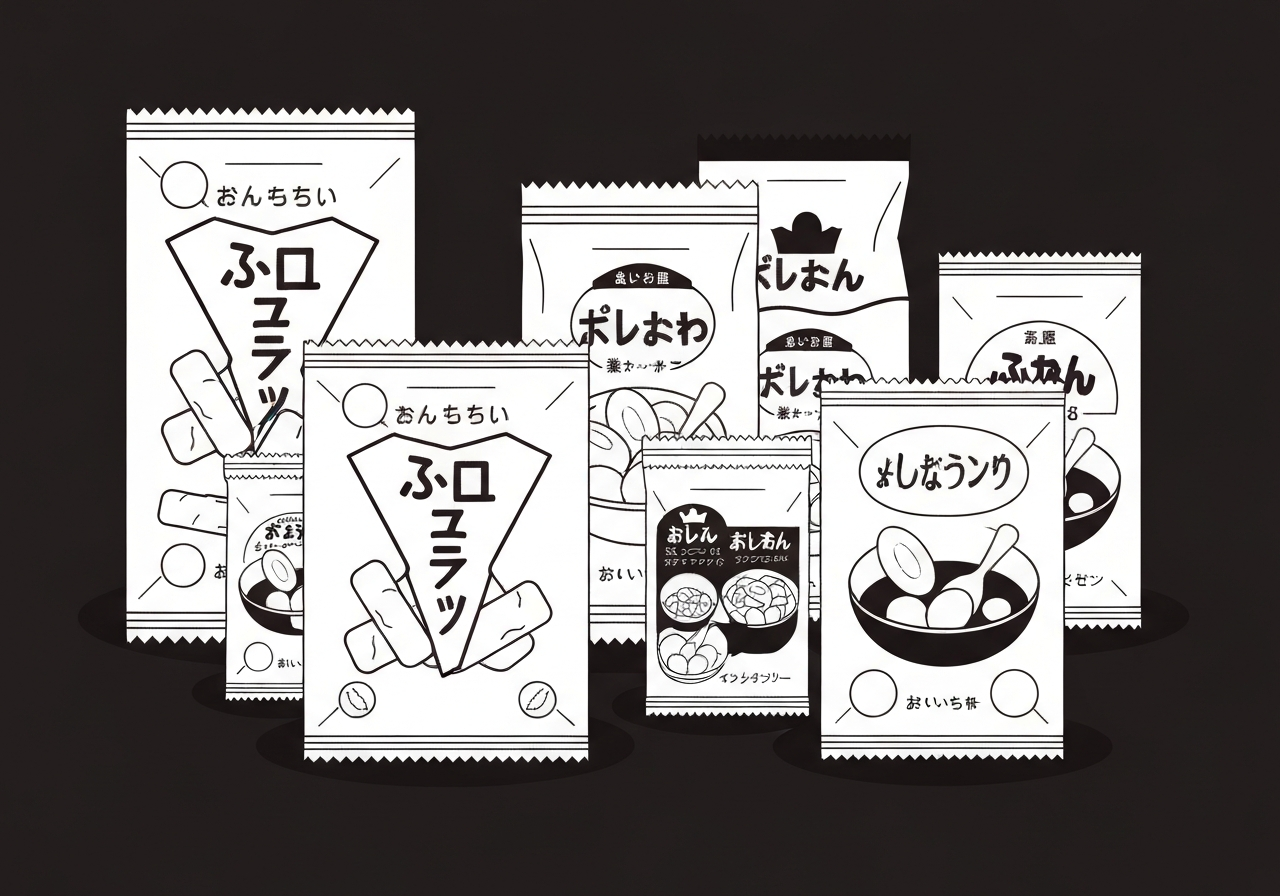
Tokyo-based Calbee Inc. announced this week that 14 of its snack packages will switch to black-and-white printing beginning May 25 as disruptions from the war in Iran have reduced supplies of an oil-derived ingredient used in colored inks. The company said product recipes and distribution are unchanged and that the move is intended to protect stable product supply. Calbee, founded in 1949 and employing more than 5,000 group workers, framed the step as a pragmatic response to shifting geopolitical conditions. How long the monochrome packaging will remain in place is unclear.
Key Takeaways
- Calbee will limit ink colors on 14 products starting May 25 to conserve materials amid supply disruptions.
- The packaging change affects well-known items including “usu shio” lightly salted chips and “kappa ebisen” shrimp chips sold widely in Japanese convenience stores and exported to the U.S., China and Australia.
- The disruption is linked to effective closure of the Strait of Hormuz and the broader Iran war, which has driven up oil-related prices and stressed supply chains.
- Japan imports nearly all its oil; naphtha, an oil‑derived feedstock used in plastics and colored inks, is cited as the constrained input.
- Calbee emphasized product quality and supply stability, asking consumers for understanding while it adapts to geopolitical risk.
- Officials say national oil reserves and government measures have so far helped dampen immediate supply panic in Japan.
Background
Japan relies heavily on imported oil for energy and industrial feedstocks. One such feedstock, naphtha, is a light hydrocarbon derivative used in manufacturing plastics and formulating printing inks. The war in Iran has disrupted traffic and commerce around the Strait of Hormuz, a major oil transit chokepoint, and that disruption has rippled into prices and availability for oil-derived inputs. As a result, industries that depend on refined oil products have begun adjusting operations and materials to preserve supply continuity.
Calbee is a large consumer‑food company founded in 1949 with more than 5,000 group employees and a substantial domestic retail footprint; its snacks are a fixture in Japanese convenience stores and are also exported internationally. Packaging design and color are visible signals for brands, but packaging ink is a relatively small input in the production chain that can nonetheless become a constraint when feedstock availability tightens. Other manufacturers have made similar temporary changes to packaging or materials when global supply chains were strained in past crises, signaling a pragmatic approach by firms to maintain product flow to markets.
Main Event
On its announcement this week, Calbee said the change affects 14 products and that color choices will be reduced to monochrome printing to conserve ink components tied to naphtha. The company stressed that formulations, portion sizes and distribution channels remain unchanged and that the measure aims to ensure a stable supply of snacks to retailers and export customers. The change will be visible on familiar items such as the bright-orange “usu shio” bag, which will now show monochrome lettering and imagery instead of its traditional color scheme.
Calbee framed the packaging adjustment as one element of a broader strategy unveiled in March to pursue growth while managing geopolitical and operational risks. The firm said it will continue to monitor conditions and respond flexibly to maintain product quality and availability. Retailers and consumers in Japan have already started encountering the new monochrome packs in convenience stores, and importers abroad have been notified as part of regular commercial channels.
Company statements linked the packaging shift to the tightened supply of naphtha and other oil-related products after the effective closure of the Strait of Hormuz caused by the Iran war. Industry observers note that increases in crude oil prices and refinery constraints can quickly affect downstream materials such as inks, adhesives and plastic films used in packaging. Calbee did not provide a firm timeline for restoring full-color printing, citing uncertainty in geopolitical developments and feedstock markets.
Analysis & Implications
The change to monochrome packaging is small in production cost but large in signaling: it demonstrates how geopolitical shocks can cascade into everyday consumer goods. For consumers, the most immediate impact is cosmetic; for manufacturers, the decision aims to prioritize product continuity over brand aesthetics. If the supply disruption persists, more companies that rely on naphtha-derived inputs may adopt similar conservative measures, potentially leading to a wider visual shift in retail shelves and a temporary flattening of packaging diversity.
Economically, the incident highlights Japan’s vulnerability to oil-market turmoil. While the government points to national reserves and contingency planning, firms that depend on processed hydrocarbons for non-fuel inputs—like inks, plastics and chemical feedstocks—are exposed to refinery throughput and regional transit disruptions. Shortages or price spikes in those intermediates can raise costs for manufacturers and, eventually, consumers, especially if alternative feedstocks or inks are not readily available at scale.
Strategically, the episode may accelerate corporate interest in supply diversification and material substitution. Businesses could explore alternative ink chemistries, increase inventory of critical inputs, or shift production plans to regions with more resilient feedstock access. Policymakers may also revisit strategic stockpiles and industry support for critical non-fuel petrochemical feedstocks to reduce spillover risks from energy conflicts.
Comparison & Data
| Metric | Before | After (May 25) |
|---|---|---|
| Number of affected Calbee SKUs | 0 | 14 |
| Primary ink color usage | Full-color palettes (e.g., orange, yellow) | Monochrome (black-and-white) |
| Company founding / employees | Founded 1949 / >5,000 group employees | Unchanged |
The table above summarizes the immediate scope of Calbee’s announced change: 14 stock-keeping units will shift to monochrome printing starting May 25, while the company’s history and workforce remain the same. This is a packaging-level mitigation rather than a change to product recipes or distribution, but it illustrates how upstream feedstock constraints translate into concrete adjustments at the retail level. Historical episodes—such as previous crude-price shocks—have produced comparable, temporary packaging or component substitutions in manufacturing.
Reactions & Quotes
Calbee’s public statement emphasized continuity of supply and quality while acknowledging geopolitical risk. Company spokespeople framed the measure as temporary and necessary to maintain stable deliveries to customers and export partners.
“This measure is intended to help maintain a stable supply of products,”
Calbee public statement (company)
Industry analysts note that packaging changes are a straightforward, low-risk response to feedstock tightness, but they also warn of possible spillover effects if refinery bottlenecks continue. Consumer reaction on social platforms has been mixed, ranging from mild surprise at the visual change to understanding of the supply-chain rationale.
“Reducing ink color is a pragmatic step that prioritizes product flow over branding when feedstocks are constrained,”
Independent packaging analyst (expert)
Unconfirmed
- No firm timeline has been provided for when full-color packaging will resume; duration remains uncertain pending geopolitical and market developments.
- Reports vary on the broader scope of ink shortages beyond Calbee; comprehensive industry-wide data on ink shortages have not been confirmed.
Bottom Line
Calbee’s shift to black-and-white packaging for 14 products beginning May 25 is a defensive, pragmatic step to protect product supply amid Iran war-related disruptions that have tightened access to naphtha and other oil-derived inputs. The move preserves recipes and distribution channels while visibly signaling the reach of geopolitical conflict into everyday consumer items. For now, the change is cosmetic and limited in scope, but it underscores vulnerability in supply chains where a single feedstock links energy geopolitics to retail packaging.
Consumers should expect product availability to be prioritized over appearance while firms and policymakers monitor refinery outputs and transit conditions around the Strait of Hormuz. If disruptions persist, similar measures could spread across other manufacturers that depend on naphtha-derived materials, and businesses may accelerate efforts to diversify suppliers or adopt alternative ink technologies.
Sources
- AP News (news report)
- Calbee Inc. (company information / statement)