
Lead
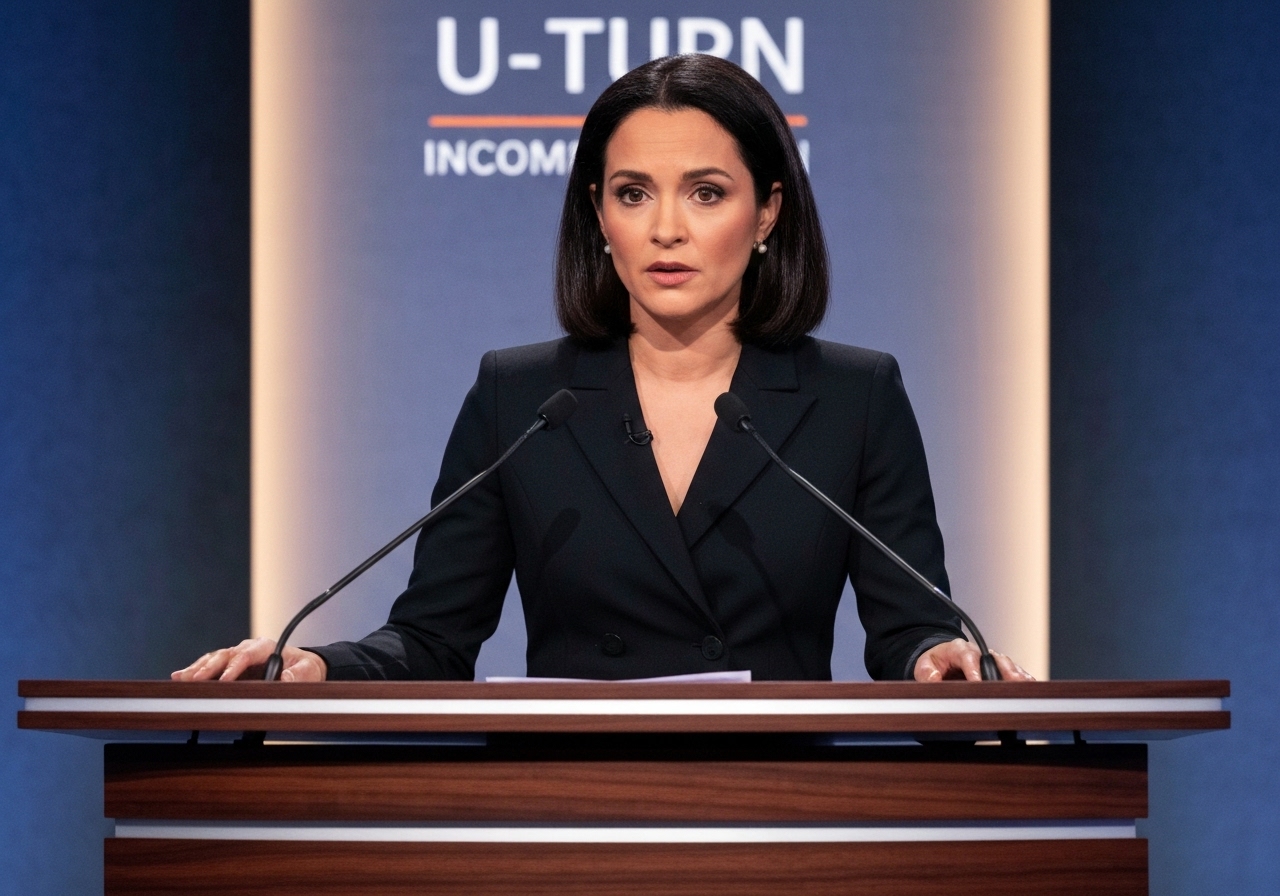
Chancellor Rachel Reeves on Tuesday left open the possibility of reversing Labour’s manifesto pledge not to raise income tax, saying voters must accept “necessary choices” ahead of this month’s Budget. National newspapers seized on the speech, with several papers suggesting a potential income-tax rise — the first since 1975 — and others leading with Sir David Beckham’s knighthood at Windsor Castle. Conservative figures warned of political damage, while unions urged the government to target wealthier households before working people. The debate dominated front pages alongside stories on education reversals, a leaked BBC dossier and a rail worker praised for bravery after a Cambridgeshire attack.
Key Takeaways
- Chancellor Rachel Reeves signalled she may abandon Labour’s manifesto pledge against income-tax increases, saying the Budget will require “necessary choices”.
- Multiple outlets reported that an income-tax rise would be the first since 1975; some economists cited in coverage said a 2p increase could shore up public finances.
- Conservative leader Kemi Badenoch described the speech as alarming and criticised the chancellor’s handling of fiscal clarity.
- Several papers led with Sir David Beckham receiving a knighthood at Windsor Castle, using celebratory front-page imagery and headlines.
- Labour plans to reverse certain Tory education reforms — including changes to GCSEs and primary testing — prompted sharp criticism from some commentators and opponents.
- A leaked dossier alleging editorial bias at the BBC prompted calls for accountability from Conservative figures; the BBC declined to comment on the leak itself.
- The Metro and other outlets highlighted Samir Zitouni, an LNER worker praised for protecting passengers during a Cambridgeshire knife attack.
Background
The issue stems from longstanding political commitments: during the last general election Labour pledged not to raise income tax, a promise designed to reassure middle-income voters. Public finances remain fragile after years of high borrowing and rising debt servicing costs, which has led some Treasury advisers and economists to argue that tax measures may be needed to avoid repeated fiscal adjustments. The reference to 1975 reflects the widely reported claim that income-tax rates have not been raised in comparable form since that year, a historical touchstone often invoked in debates about tax taboos.
Media coverage of Chancellor Reeves’s address combined fiscal analysis with political theatre: centre-left and centre-right titles framed the speech either as pragmatic realism or as a betrayal of manifesto trust. At the same time, unrelated stories — notably Beckham’s Windsor ceremony and reporting on a Cambridgeshire train attack — filled many front pages, illustrating how a single set of headlines can mix fiscal policy, national symbolism and public-safety narratives. Opposition parties seized the moment to emphasise electoral risk; trade unions countered by urging wealthier households to bear a larger share of any burden.
Main Event
In a Downing Street statement ahead of the Budget, the chancellor argued that balancing the books will require “necessary choices,” framing any measures as driven by national interest rather than partisan advantage. Papers quoted Reeves saying the government would prioritise “national interests” over “political expediency,” language intended to prepare the public for difficult trade-offs. The Financial Times and others reported she had “opened the door” to a manifesto-breaking income-tax rise, while some tabloids characterised the tone as vague or evasive.
Conservative leader Kemi Badenoch reacted strongly in broadcast and print coverage, telling audiences the speech was alarming and accusing the government of shifting blame for economic difficulties. Several broadsheets carried anonymous Labour warnings that abandoning the pledge could undermine re-election prospects and damage credibility with swing voters. Union leaders, by contrast, urged the chancellor to tax the wealthiest rather than ordinary workers; the Daily Mirror and other papers ran union appeals on their front pages.
Across other policy areas, ministers announced plans to roll back a number of Tory education reforms, including proposals to simplify primary testing and alter GCSE arrangements. Critics labelled some of those moves “dumbing down” while proponents argued the changes would reduce exam pressure and complexity. The education story added to the political stakes of Reeves’s fiscal signalling, since voters sensitive to school standards have featured strongly in polling since the last election.
Analysis & Implications
Politically, the chancellor faces a classic trade-off: raising taxes risks alienating swing voters and damaging credibility after a manifesto promise, while failing to act could leave the government exposed to renewed fiscal shocks and the need for larger measures later. If a 2p income-tax increase is adopted, economists cited in coverage suggest it would improve fiscal resilience in the short term but might not fully close structural gaps, meaning further adjustments could be required. The tension between short-term stability and long-term competitiveness will shape Treasury advice and internal party debate.
Economically, incremental tax rises have distributional consequences. A flat 2p rise on basic and higher-rate thresholds would produce different percentage impacts across income bands; commentators noted unions’ calls for targeted measures on top earners to protect lower- and middle-income households. Business groups and markets will be watching for both the scale of any increase and accompanying measures on spending, growth incentives and public-service efficiency.
Institutionally, the episode risks eroding public trust if the government appears to renege on a clearly stated electoral promise. Conversely, taking pre-emptive action to stabilise finances can be framed as responsible stewardship. Media framing will matter: some outlets cast Reeves as pragmatic, others as untrustworthy. The leaked BBC dossier and subsequent calls for accountability add another layer, with implications for how media narratives shape political capital in the weeks ahead.
Comparison & Data
| Reference point | Reported change | Notes |
|---|---|---|
| 1975 | Last cited comparable income-tax rise | Historically referenced as the previous major change in income-tax policy |
| This month’s Budget (as reported) | Chancellor opened door to a possible 2p income-tax rise | Described by some economists as a move to improve short-term fiscal resilience |
The table summarises the media shorthand used across front pages: the 1975 benchmark versus the potential 2p proposal reported by several outlets. Analysts caution that headline comparisons simplify complex tax-code changes; the effective impact depends on which bands are adjusted and on accompanying thresholds and reliefs.
Reactions & Quotes
“We will all have to do our bit,” the chancellor said, signalling shared sacrifice in the Budget.
Rachel Reeves, Chancellor (quoted in coverage)
“People across the country watched in horror,” a Conservative leader said, criticising the speech’s tone and implications.
Kemi Badenoch, Conservative leader (reported remarks)
“While we don’t comment on leaked documents, when the BBC receives feedback it takes it seriously and considers it carefully,” a spokesperson said in response to the dossier leak.
BBC spokesperson (official statement)
Unconfirmed
- Claims that a 2p rise alone will solve the UK’s structural fiscal problems are contested; some think-tank commentary cited in coverage warns it may be insufficient.
- Reports based on a leaked BBC dossier remain subject to verification of claims within the leak and to the corporation’s formal responses.
- Attribution of long-term electoral consequences to a single tax decision is speculative and depends on broader campaign dynamics and messaging.
Bottom Line
The chancellor’s remarks have shifted the immediate debate from party pledges to fiscal realism: newspapers frame the moment either as a necessary correction or as a political liability. If the government opts for a tax increase, its size, distribution and accompanying measures will determine both economic effect and political fallout. Opposition criticism and union demands point to a contested path: the government can try to spread pain evenly, focus on wealthier households, or combine modest tax changes with spending reforms.
For readers, the key signals to watch are the Budget’s detail — especially which bands are altered, how thresholds are treated, and what compensating measures are offered — and how the story is narrated across media and political actors over the coming days. The combination of fiscal pressure, media scrutiny and high-profile human-interest stories makes this a pivotal news cycle for the government.