
Lead
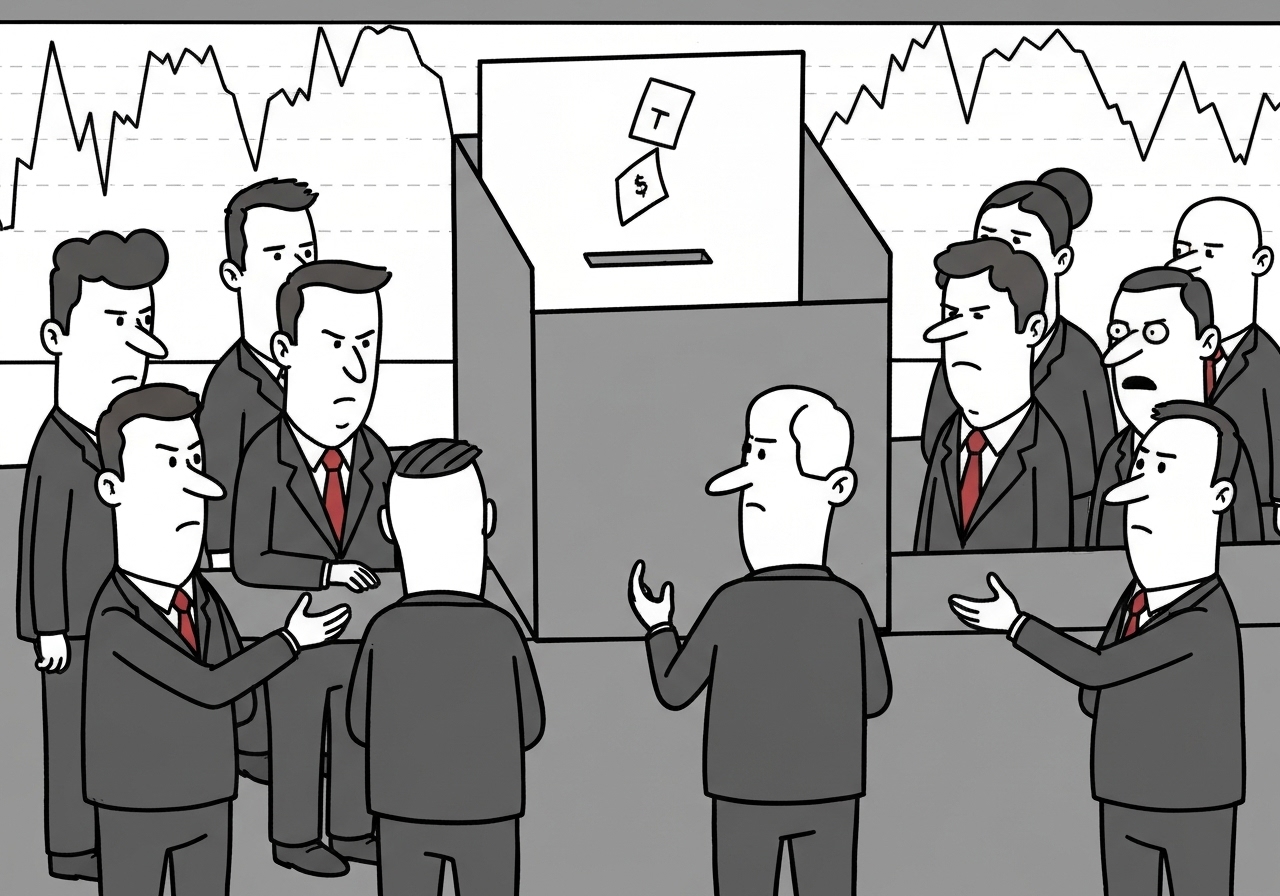
On November 5, 2025, Tesla shareholders moved toward a decisive vote over a compensation proposal that analysts say could be worth up to $1 trillion if its performance targets are met. The proposal ties long-term equity awards to stretched growth and market-cap milestones tied to CEO Elon Musk. Board chair Robyn Denholm has signaled the outcome will matter personally to Musk, reflecting the high stakes for governance and investor confidence. The shareholder decision will determine whether Tesla cements an unprecedented executive pay framework or forces the company and its leadership to recalibrate.
Key Takeaways
- Tesla’s proposed CEO award is being reported as potentially worth up to $1 trillion based on market-cap targets and vesting conditions, a figure cited in November 2025 coverage.
- The compensation package is structured around ambitious performance milestones linked to revenue, adjusted EBITDA and rising market capitalization over multiple years.
- Board chair Robyn Denholm told Bloomberg she believes Elon Musk will take the vote personally, indicating governance tensions at the highest level.
- Proxy advisors and institutional investors are weighing the package against customary governance standards and precedents for executive pay.
- If approved, the award would far exceed typical S&P 500 CEO payouts, which are generally measured in the millions rather than hundreds of billions or trillions.
- The shareholder vote, held in early November 2025, will influence Tesla’s investor relations, board dynamics and public debate over pay-for-performance norms.
Background
Tesla’s board proposed a multi-year equity award for Elon Musk that links vesting to a sequence of ambitious operational and market-cap targets. The structure is intended to align CEO incentives with long-term company growth, but the scale triggered questions about proportionality and governance norms. Historically, large tech-era awards have prompted scrutiny over metrics, dilution and whether performance hurdles are sufficiently demanding.
Shareholder activism and proxy advisory scrutiny have increased since large CEO pay packages became contentious items at major firms. Institutional investors now expect detailed justification for outsized awards and clear demonstration that metrics will deliver shareholder value. Tesla’s market prominence and Musk’s profile amplify the political and market attention surrounding the proposal.
Main Event
The shareholder meeting in early November became the focal point for debates among retail holders, institutional investors and governance watchdogs. Proxy materials circulated ahead of the vote laid out the plan’s milestones and the board’s rationale but also prompted public commentary from analysts and some investors questioning achievability and dilution effects.
Robyn Denholm, chair of Tesla’s board, privately and publicly emphasized the board’s view that the proposal was crafted to align leadership and shareholder interests. In a Bloomberg interview she indicated that Musk views the matter as personally consequential—an assertion the company has not expanded into a public dispute but which framed media coverage and investor conversations.
Opponents highlighted the extraordinary valuation scenarios that underpin the headline figure, arguing that the $1 trillion estimate depends on prolonged, exceptional share-price performance. Supporters countered that the stretched targets reflect Tesla’s growth ambitions and would only pay out if shareholders realize commensurate gains.
Analysis & Implications
A successful vote would set a new benchmark in executive compensation, potentially reshaping normative expectations about maximum awards and the linkage between pay and market-cap milestones. For investors, a green light could mean both a demonstration of confidence in the board’s strategy and acceptance of greater long-term dilution risk if the award vests.
From a governance perspective, the episode underscores continuing tension between founder-led companies and institutional governance norms. Boards of founder-led firms often face trade-offs: retaining visionary leadership while maintaining rigorous checks and balances. How proxy advisors and major asset managers vote will signal whether governance frameworks adapt to or resist outsized founder awards.
Market signaling also matters: approval might embolden compensation committees at other high-growth firms to consider similarly aggressive packages; rejection could strengthen calls for stricter oversight and clearer, independently verified performance hurdles. Either outcome will affect how investors price governance risk into equities.
Comparison & Data
| Item | Typical S&P 500 CEO Pay (approx.) | Tesla Proposal (reported) |
|---|---|---|
| Nominal value | $10–20 million (median/typical total pay) | Up to $1 trillion (contingent on milestones) |
| Pay type | Salary, bonus, equity grants | Long-term equity tied to market-cap and performance milestones |
The table offers a broad sense of scale rather than a precise apples-to-apples comparison: the Tesla figure is a contingent, model-based estimate assuming extreme share-price appreciation and full vesting; typical S&P 500 CEO packages are far smaller in nominal terms. Investors should treat the $1 trillion headline as a function of hypothetical future market capitalization and milestone achievement rather than an immediate cash outlay.
Reactions & Quotes
“He will take this personally,”
Robyn Denholm (Tesla board chair), quoted in Bloomberg
The board chair’s remark framed media narratives and investor discussions, stressing the personal and governance stakes tied to the vote.
“A package of this scale raises essential governance questions about hurdle design and shareholder dilution,”
Commentary from corporate governance analysts (academic/industry observers)
Academic and industry observers emphasized that the mechanics of vesting and dilution matter as much as headline valuations when assessing shareholder impact.
Unconfirmed
- The precise amount any individual would receive if the plan fully vests is model-dependent; the $1 trillion figure is an upper-bound estimate contingent on market-cap assumptions.
- Public reporting indicates shareholder votes are close in timing, but final tallies and the detailed breakdown of support from large institutional holders may not be fully disclosed at the time of reporting.
- Any private conversations between Elon Musk and specific institutional investors or board members beyond public statements have not been independently verified.
Bottom Line
The Tesla vote is about more than a single compensation plan: it tests how investors balance founder-driven growth strategies against conventional governance safeguards. Approval would mark an extraordinary shift in pay precedent; rejection would reinforce investor insistence on tempered awards and clearer safeguards against excessive dilution.
For shareholders and market observers, the key items to watch are the vote results, detailed sponsor and opposition arguments from major institutions, and the precise vesting mechanics in any approved plan. Those elements will determine whether the headline valuation translates into material payouts or remains a theoretical construct tied to future performance.
Sources
- Bloomberg (news report; interview with Tesla board chair)
- Tesla Investor Relations (official company site)
- SEC EDGAR (Tesla filings) (official filings repository)
- Harvard Law School Forum on Corporate Governance (academic commentary on executive compensation)