
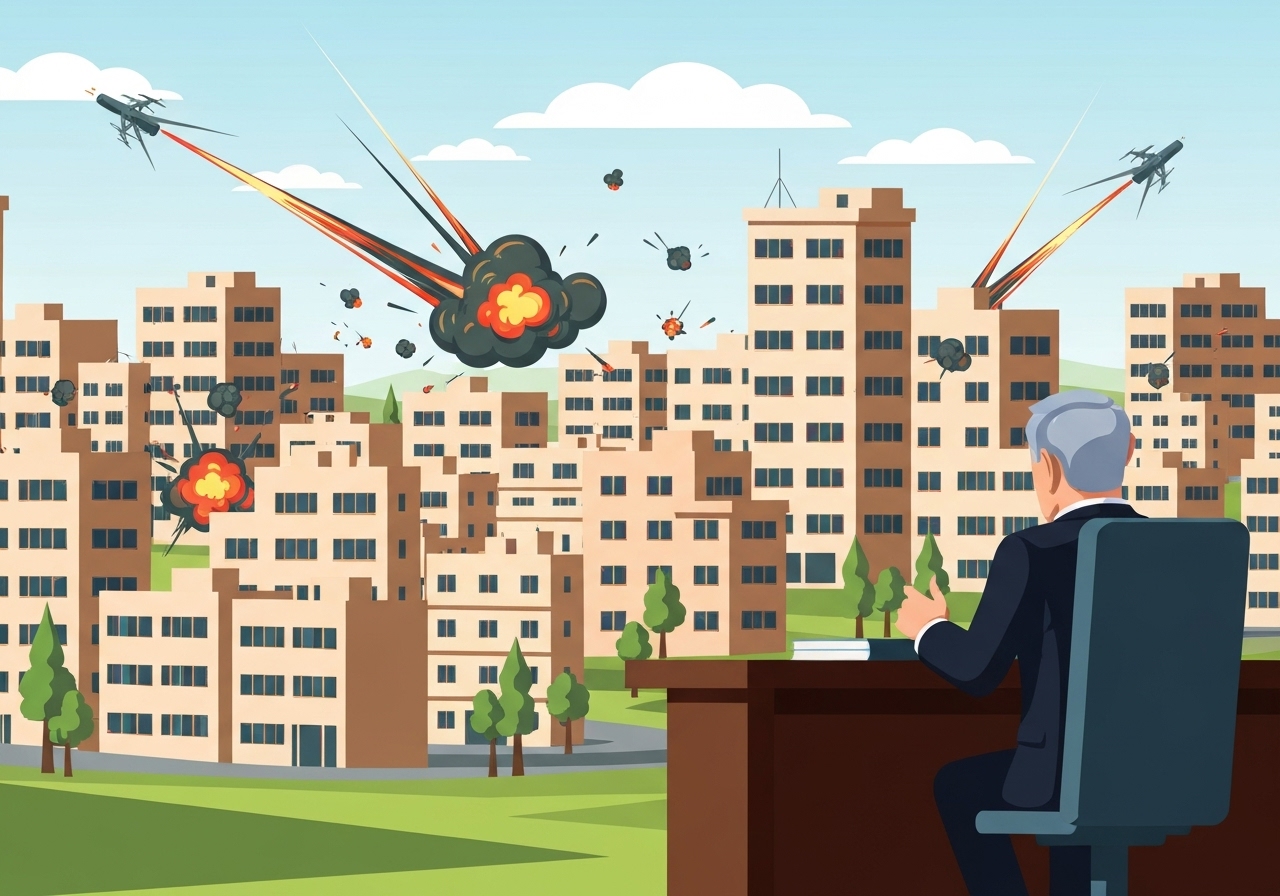
On , Israeli forces intensified air and ground strikes on neighborhoods around Gaza City, damaging homes and pushing more families to flee, while Prime Minister Benjamin Netanyahu prepared to convene his security cabinet Sunday evening to consider next steps in a planned drive to seize the city.
Key Takeaways
- Overnight airstrikes and tank fire hit Gaza City suburbs, including Sheikh Radwan, residents said.
- Gaza health authorities reported at least 30 people killed on Sunday, including 13 near an aid site; Israel’s military said it was reviewing the reports.
- At least 15 people were killed Saturday in a strike on a residential building in central Gaza City, according to local officials.
- Netanyahu’s security cabinet is set to discuss a plan to take Gaza City; an Israeli official signaled a full-scale push is weeks away and would follow civilian evacuation efforts.
- Israel ended temporary pauses around Gaza City on Friday and labeled the area a “dangerous combat zone,” curbing aid access.
- Netanyahu said Israel targeted Abu Ubaida, the spokesperson of Hamas’ armed wing; the outcome remains unknown.
- ICRC chief Mirjana Spoljaric warned that a citywide evacuation could trigger mass displacement amid severe shortages of food, shelter, and medicine.
- Israeli officials have cautioned politicians that operations could jeopardize remaining hostages; protests in Tel Aviv have grown.
Verified Facts
Residents in Sheikh Radwan and other Gaza City districts described sustained shelling and airstrikes from Saturday into Sunday. The Israeli military has escalated operations around the city for roughly three weeks and, on Friday, ended limited pauses that had enabled aid deliveries, designating the area a “dangerous combat zone.”
The Gaza health ministry said Israeli fire killed at least 30 people on Sunday, including 13 who had approached an aid location in the central strip, and at least two inside a house in Gaza City. It also reported at least 15 fatalities in a strike on a residential building on Saturday. The Israeli military spokesperson’s office said the reports were under review. Israel disputes fatality figures issued by authorities in the Hamas-run enclave.
An Israeli official said Netanyahu’s security cabinet would meet Sunday evening to discuss the next phase of a plan to seize Gaza City, which Israeli leaders portray as a final stronghold for Hamas. A major ground push is not expected for weeks, the official added, saying Israel aims to move civilians out before deploying more forces.
Netanyahu confirmed that Israeli forces targeted Abu Ubaida (Hozayfa Al-Khalout), the longtime public face of Hamas’ armed wing. He said the result of Saturday’s strike was not yet known. Hamas officials contacted by reporters did not immediately comment.
Ahead of any broader assault, the Red Cross warned that a mass evacuation from Gaza City would be unmanageable given shortages of essentials. Local residents said western districts are packed, while areas such as Deir al-Balah and Al-Mawasi are overcrowded and short on space.
Context & Impact
The war began on Oct. 7, 2023, when a Hamas-led attack on southern Israel killed around 1,200 people, mostly civilians, and 251 were taken hostage. Israel says 48 hostages remain in Gaza; 20 are believed to be alive. Families of captives and anti-war demonstrators have intensified protests in Tel Aviv and outside officials’ homes, urging a deal and an end to the fighting.
Gaza’s health authorities report more than 63,000 people killed since the start of Israel’s campaign, most of them civilians, and widespread destruction across the enclave. On Sunday, the ministry said seven additional people died of malnutrition and starvation, bringing such deaths to 339, including 124 children. Israel contests the ministry’s overall fatality counts.
Any expanded push into densely populated Gaza City heightens risks for civilians and for remaining hostages held by Palestinian militants. Humanitarian agencies warn that ending pauses and declaring combat zones strain already limited aid corridors, potentially worsening hunger and medical shortages.
Strategically, Israel seeks to degrade Hamas’ command, control, and messaging infrastructure in Gaza City. Operationally, urban warfare could be prolonged and destructive, complicating post-conflict governance and relief operations across the enclave.
At a glance: Reported tolls and status
| Metric | Figure | Source |
|---|---|---|
| Deaths in Gaza (to date) | 63,000+ (claimed) | Gaza health authorities |
| Deaths on Sun, Aug 31 | 30+ (claimed) | Gaza health authorities |
| Residential strike Sat | 15 killed (claimed) | Gaza health authorities |
| Malnutrition/starvation deaths | 339 total, incl. 124 children (claimed) | Gaza health ministry |
| Killed in Israel on Oct 7 | ~1,200 | Israeli authorities |
| Hostages taken Oct 7 | 251 | Israeli authorities |
| Hostages remaining | 48 (20 believed alive) | Israeli authorities |
Official Statements
We targeted Abu Ubaida; the result is still being assessed.
Israel Prime Minister’s Office
A mass evacuation from Gaza City would trigger displacement that the rest of the Strip cannot absorb amid severe shortages.
International Committee of the Red Cross (Mirjana Spoljaric)
Unconfirmed
- The outcome of Israel’s strike on Abu Ubaida remains unknown.
- Precise casualty counts from Sunday’s incidents have not been independently verified.
- The exact timeline for a full-scale offensive into Gaza City is unclear.
- How many residents have left Gaza City to date is not precisely established.
Bottom Line
Israel is tightening pressure around Gaza City while weighing a larger push, even as humanitarian agencies warn that mass displacement could spiral. Casualty reports continue to mount and are disputed, hostages remain in peril, and domestic pressure inside Israel is rising.
The coming weeks—particularly decisions from Netanyahu’s cabinet and the fate of talks over hostages and humanitarian access—will shape whether the conflict moves into an even more destructive urban phase.