
Lead
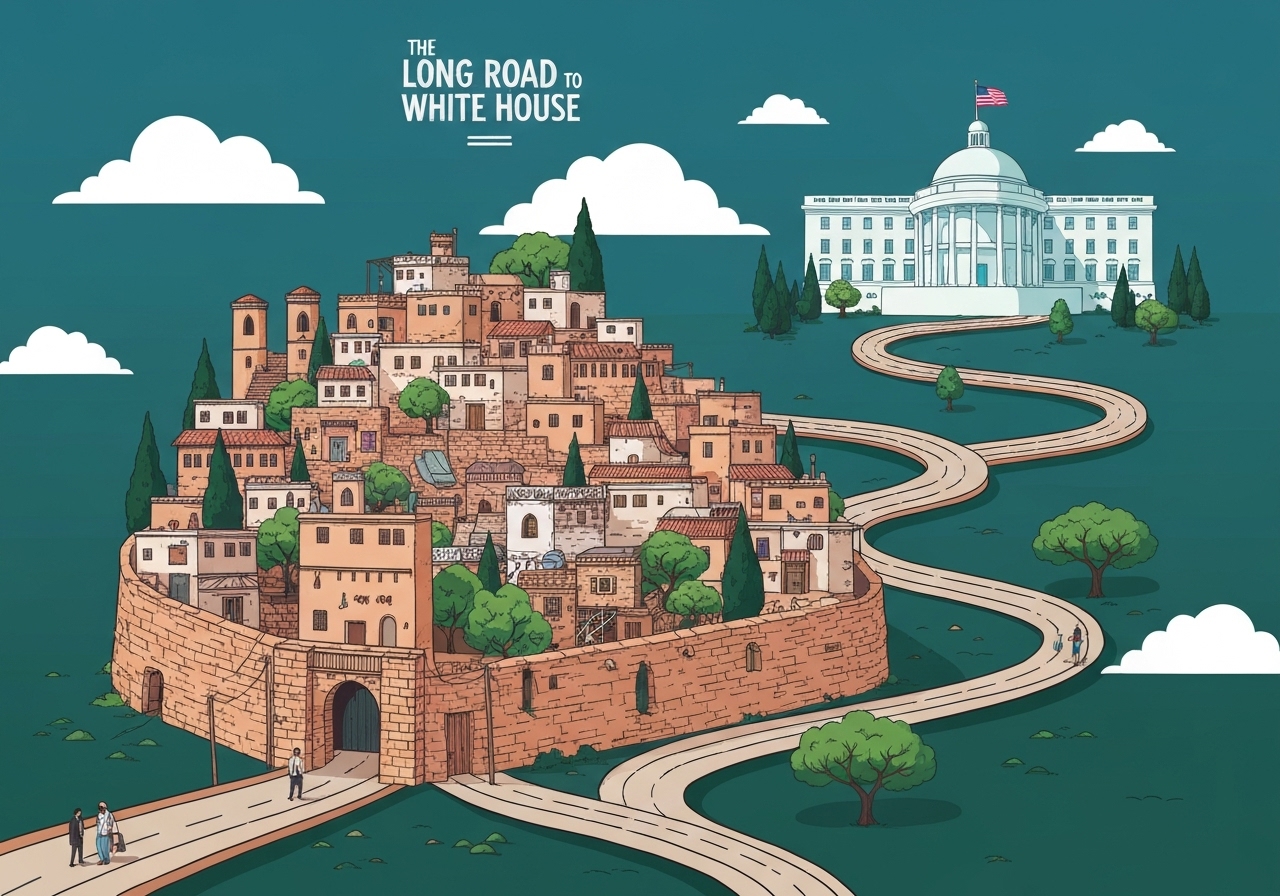
Six years after U.S. special forces raided the northwestern Syrian village of Barisha and killed Islamic State leader Abu Bakr al-Baghdadi in 2019, Syria’s political landscape has again shifted. Ahmed al-Shara (known formerly as Abu Mohammed al-Jolani), a onetime associate of extremist networks who later broke with them, has risen to national leadership and is due to meet President Trump at the White House on Nov. 10, 2025. Residents of Barisha describe lingering trauma from that night but also cautious relief at the change of regime. The meeting marks a striking geopolitical turn: a former militant turned head of state advancing ties with the U.S.
Key Takeaways
- In October 2019, U.S. Delta Force commandos raided a compound in Barisha, Syria, killing Abu Bakr al-Baghdadi; the operation lasted roughly 3.5 hours and left multiple civilians dead in the rubble.
- Ahmed al-Shara (formerly Abu Mohammed al-Jolani) broke with al-Baghdadi circa 2013, pursued a shifting course from hardline militancy to a more pragmatic local leadership from 2016 onward.
- Al-Shara toppled Bashar al-Assad in December 2024 and assumed the presidency after a five-decade Assad rule, according to reporting and diplomatic sources.
- The White House visit on Nov. 10, 2025, will be the first presidential reception for a Syrian head of state since the end of the Assad era and signals expanded U.S. support.
- Locals in Barisha report psychological and material losses—some seek U.S. compensation for property damage and trauma linked to the 2019 raid.
- U.S. officials say al-Shara cooperated with Western intelligence in operations against extremist leaders around Idlib, though the exact impact on the 2019 raid remains unclear.
- The transition has reduced active street fighting for now, but observers warn that al-Shara’s past and governance style leave open questions about political openness and rights.
Background
Barisha is a small village in northwestern Syria that gained global attention on Oct. 27, 2019, when U.S. forces carried out a night raid that killed Islamic State leader Abu Bakr al-Baghdadi. The neighborhood and surrounding olive groves remain physically scarred and psychologically marked by the operation, which American officials said included explosives and close-quarters fighting.
Ahmed al-Shara emerged from the long Syrian conflict as a complex figure. Known in earlier years by the nom de guerre Abu Mohammed al-Jolani, he was once tasked with expanding extremist networks in Syria but split with those groups around 2013. From 2016 he began a more pragmatic, sometimes coercive, local leadership that mixed negotiations with displays of force, gradually building a power base focused on Idlib and surrounding provinces.
The Syrian civil war that began in 2011 produced multiple armed factions, foreign interventions and large population displacements. By late 2024, a decisive political and military realignment culminated in the overthrow of Bashar al-Assad and the ascent of al-Shara to the presidency, ending a five-decade family rule, according to reports and diplomatic confirmations.
Main Event
The 2019 Barisha raid, conducted by U.S. Delta Force units, was framed by Washington as a counterterrorism success: officials said al-Baghdadi detonated an explosive vest during the assault, killing himself and others. Survivors in Barisha recount helicopters, shouted orders in Arabic, explosions and several hours of combat; some villagers report bodies in the wreckage the following morning.
Since rising to national prominence, al-Shara has moved to broaden international ties. In May 2025 he met President Trump in Saudi Arabia, a meeting described as cordial by both sides, and the White House visit on Nov. 10, 2025, is presented by U.S. officials as a step to consolidate cooperation on counterterrorism and regional stability.
In Idlib, flags linked to al-Shara’s former movement remain visible at major entrances; the group that once bore international terrorism designations has been rebranded in parts of the country and integrated into new state structures. The imagery underscores both the persistence of past identities and the pace of political normalization.
Villagers in Barisha speak with mixed emotions. Some feel liberated from the constant violence of the previous decade; others recount lasting trauma, property damage and unresolved questions about who lived among them and what oversight they had. Requests for compensation—one resident suggested a figure around $5,000 for house damage—have been voiced but not formalized.
Analysis & Implications
The White House reception of a Syrian leader with a militant past is geopolitically significant. For Washington, formal engagement with al-Shara opens channels for intelligence cooperation and a potential foothold in a country long contested by Russia, Iran and regional actors. It also provides a diplomatic narrative of stabilizing a fractious region through pragmatic ties.
Domestically in Syria, the immediate effect is a reduction in open warfare and a relief among many civilians exhausted by 13 years of conflict. Governance now hinges on whether al-Shara chooses a more authoritarian consolidation—leveraging security networks and former rebel structures—or pursues genuine pluralism with accountable institutions and protections for dissent.
There are economic stakes as well. Reconstruction needs, refugee returns and aid flows will be influenced by Washington’s posture; U.S. endorsement can unlock external investment and international legitimacy, but it also raises expectations for human-rights progress and transparent governance.
Regionally, the visit may recalibrate alliances. Gulf states and some European capitals could welcome a working relationship that curbs extremist resurgence, while Russia and Iran—long influential in Damascus—may reassess their strategic positions if U.S.-Syrian cooperation deepens.
Comparison & Data
| Year | Event |
|---|---|
| 2013 | Ahmed al-Shara breaks with extremist allies |
| 2016 | Al-Shara shifts toward local governance role |
| 2019 | U.S. raid kills Abu Bakr al-Baghdadi in Barisha |
| Dec 2024 | Assad regime toppled; al-Shara rises to presidency |
| Nov 10, 2025 | Al-Shara scheduled White House visit |
The timeline highlights a decade-plus transformation: from battlefield actor to head of state in roughly 12 years of shifting alliances. That arc complicates simple labels and raises governance questions that will test both Syrian institutions and international partners.
Reactions & Quotes
Syrian residents express relief mixed with uncertainty. In Barisha, villagers describe both fear from the 2019 raid and cautious optimism about reduced fighting.
“We were in the house next door and we were scared out of our minds!”
Barisha resident (interview)
U.S. and Western diplomats stress counterterrorism benefits but acknowledge unresolved concerns about rights and political pluralism.
“Engagement is aimed at bolstering stability and preventing a return of extremist safe havens.”
Western ambassador (anonymized)
Scholars urge vigilance, noting al-Shara’s past and asking whether his transformation reflects durable ideological change or pragmatic adaptation to power.
“His story is far from complete; hope exists, but so do the risks of repression.”
Randa Slim, Foreign Policy Institute
Unconfirmed
- Precise role of al-Shara in providing intelligence that directly enabled the 2019 Barisha operation remains unverified by publicly available primary evidence.
- Compensation claims by individual Barisha residents for property damage or trauma have been reported anecdotally but lack an established claims process or confirmed payouts.
- Reports of tunnels beneath the Barisha compound have been contested by local residents and lack independent confirmation.
Bottom Line
The White House reception of Ahmed al-Shara underscores a pragmatic pivot: Washington is prioritizing counterterrorism cooperation and short-term stability over a rigid stance on past affiliations. For many Syrians weary of years of war, the reduction in open fighting and new diplomatic ties offer immediate respite.
Yet significant uncertainties remain. Al-Shara’s governance choices will determine whether the current lull becomes a durable peace with accountable institutions or a stable but repressive order. Close monitoring by international partners, transparent reconstruction assistance and credible transitions for justice and reconciliation will shape whether this political turning point benefits ordinary Syrians in the long term.
Sources
- The New York Times — international news reporting (primary feature on the events and interviews)
- White House archive — official U.S. statement on the 2019 operation
- Reuters — international news reporting (coverage of the 2019 raid and regional context)