
Lead
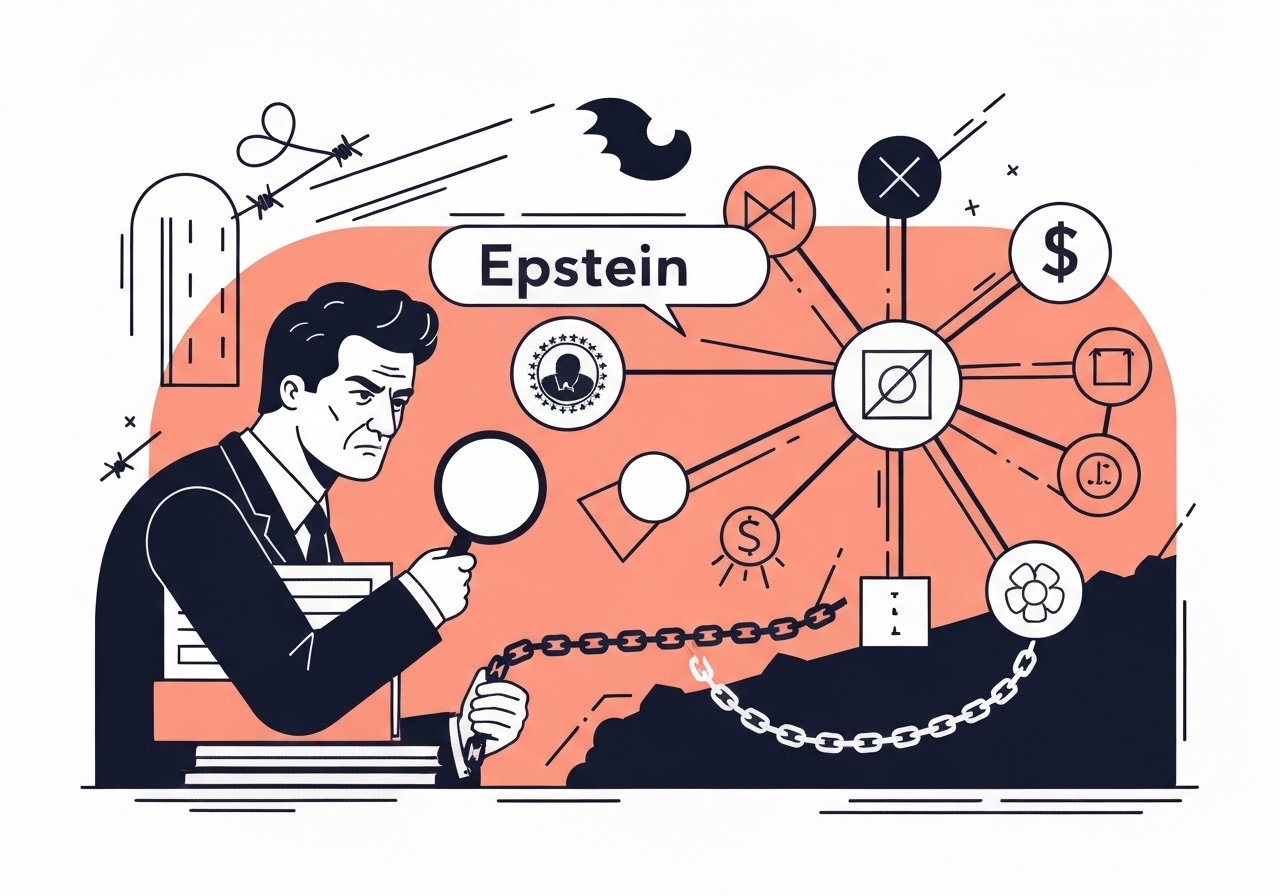
The US Department of Justice has confirmed it will examine alleged ties between convicted sex offender Jeffrey Epstein and several prominent Democrats and major banks, following a public prompt from President Donald Trump. The announcement came as lawmakers released thousands of pages of documents tied to Epstein’s estate and as Congress prepares a floor vote on whether to force fuller disclosure of Justice Department files. Attorney General Pam Bondi said the inquiry will proceed “with urgency and integrity,” while questions persist about the scope and formality of any presidential request.
Key Takeaways
- The DOJ said it will investigate alleged links between Jeffrey Epstein and noted Democrats—including former President Bill Clinton—and major banks such as JPMorgan Chase.
- President Trump publicly urged Attorney General Pam Bondi and the FBI to probe Epstein’s relationships with Clinton and others; Bondi pledged a prompt, integrity-driven inquiry.
- Congress released more than 20,000 pages of documents tied to Epstein’s estate; the House Oversight release included about 2,324 email threads, with one review finding Trump mentioned in more than 1,600 threads.
- A House discharge petition reached the required 218 signatures after Rep. Adelita Grijalva was sworn in, triggering a planned floor vote on releasing DOJ files related to Epstein.
- JPMorgan Chase expressed regret for any association with Epstein and denied facilitating his crimes; Bill Clinton has denied knowledge of Epstein’s offenses.
- Epstein died in prison in 2019; his associate Ghislaine Maxwell is serving a 20-year sentence for sex trafficking.
Background
Jeffrey Epstein, a financier convicted in 2008 on a state charge related to sex offenses, was arrested again in 2019 on federal sex-trafficking charges and died in custody that year. The case has continued to generate scrutiny because of Epstein’s connections to wealthy individuals, corporate figures and political leaders, and because survivors and advocates have pushed for fuller institutional accountability.
Over recent months and weeks, lawmakers and journalists have sought to assemble Epstein-related records from his estate and from institutions that communicated with him. The House Oversight Committee published a tranche of documents that it said illuminated Epstein’s network and contacts; independent reviews of those records have highlighted frequent mentions of high-profile figures in many of the disclosed threads.
Main Event
This week, President Trump publicly urged an investigation into Epstein’s relationships with several leading Democrats and two major banks. Trump posted that he had asked Attorney General Pam Bondi and the FBI to look into “involvement and relationship” between Epstein and figures including Bill Clinton, and named JPMorgan and Chase, Larry Summers and Reid Hoffman as subjects of interest.
Bondi responded publicly, saying the Justice Department “will pursue this with urgency and integrity” and that US Attorney Jay Clayton had been tasked to lead the inquiry. It remained unclear whether Trump issued a formal directive or whether Bondi’s comments were a response to the president’s social-media post; DOJ officials typically treat prosecutorial decisions as independent actions.
The release of more than 20,000 pages of documents from Epstein’s estate by the House Oversight Committee renewed attention on his contacts. A Wall Street Journal review cited in the disclosures found that President Trump was mentioned in more than 1,600 of the committee’s 2,324 email threads, though the documents do not by themselves establish criminal conduct.
The legislative push for further disclosure accelerated when Rep. Adelita Grijalva was sworn in and immediately signed a discharge petition that reached the 218 signatures required to force a floor vote. Four Republicans joined Democrats to trigger the procedural step, underscoring cross-party pressure for greater transparency.
Analysis & Implications
A DOJ inquiry into Epstein’s ties to political figures and banks carries both legal and political consequences. Legally, investigators must distinguish between social or professional contact and criminal liability; emails and mentions in records can suggest association but rarely prove illegal acts without corroborating evidence. Politically, the probe could deepen partisan narratives: Republicans may frame the inquiry as validating concerns about Democratic figures, while Democrats may view Trump’s call as a diversion from scrutiny of his own connections to Epstein.
The involvement of major financial institutions such as JPMorgan Chase raises questions about corporate due diligence and reputational risk. Firms that entertained Epstein professionally or socially face reputational scrutiny and possible civil exposure, even if banks deny facilitating criminal behavior. Public statements from institutions acknowledging regrettable associations aim to limit reputational damage but do not resolve outstanding legal or investigatory questions.
For prosecutors, the path forward will include assessing whether any records, witness testimony or financial trails support charges, and whether jurisdictional or evidentiary hurdles—complicated by Epstein’s 2019 death—preclude criminal cases. Separately, congressional oversight and public-release campaigns may yield additional documents that reshape investigative priorities or public perception.
Comparison & Data
| Item | Count / Year |
|---|---|
| Pages released by House Oversight Committee | More than 20,000 |
| Email threads disclosed | 2,324 |
| Threads mentioning Donald Trump (WSJ review) | More than 1,600 |
| Ghislaine Maxwell sentence | 20 years (convicted) |
The newly disclosed material is large but uneven: tens of thousands of pages can include routine business correspondence, personal notes and duplicative records. Investigators will need to prioritize documents with corroborating metadata, contemporaneous communications and links to survivors’ testimony to move from suspicion toward prosecutable matters.
Reactions & Quotes
“We will pursue this with urgency and integrity,”
Pam Bondi, Attorney General
Bondi’s statement framed the inquiry as a priority for the Justice Department; however, officials have not published a formal scope or timeline for the review.
“Epstein was a Democrat, and he is the Democrat’s problem, not the Republican’s problem!”
Donald J. Trump, President (social media post)
Mr. Trump’s public post sought to shift focus onto political opponents; Democrats responded by accusing him of attempting to deflect scrutiny of his own past links to Epstein.
“As you gather with your family this season, remember that your primary duty is to your constituents… Imagine if they had been preyed upon,”
Letter signed by Epstein survivors and Virginia Giuffre’s family (appeal to Congress)
Survivors urged lawmakers to support release of investigative files and to prioritize victims’ interests as the political debate unfolds.
Unconfirmed
- Whether the president made a formal written directive to the Justice Department, as opposed to a public social-media request, remains unclear.
- Whether the newly released emails contain evidence that would meet the threshold for criminal charges against named public figures has not been established.
- Reports that US Attorney Jay Clayton was formally appointed to lead the probe have not been corroborated by an official DOJ docketed announcement at the time of publication.
Bottom Line
The Justice Department’s announced inquiry responds to fresh document releases and a high-profile public prompt from the president, but the move sits at the intersection of law and politics. Large troves of emails and estate records can illuminate networks, yet establishing criminal culpability requires corroboration beyond name mentions and social correspondence.
In the near term, expect competing pressures: lawmakers pushing for full public disclosure, institutions managing reputational fallout, survivors seeking accountability, and prosecutors weighing whether available evidence justifies charges. The inquiry may yield new disclosures even if it stops short of indictments; the broader consequence will be how institutions and policymakers respond to the patterns the records reveal.
Sources
- BBC News (media report summarizing developments)
- House Oversight Committee (official congressional committee releases and document postings)
- The Wall Street Journal (media analysis cited regarding counts of email mentions)