
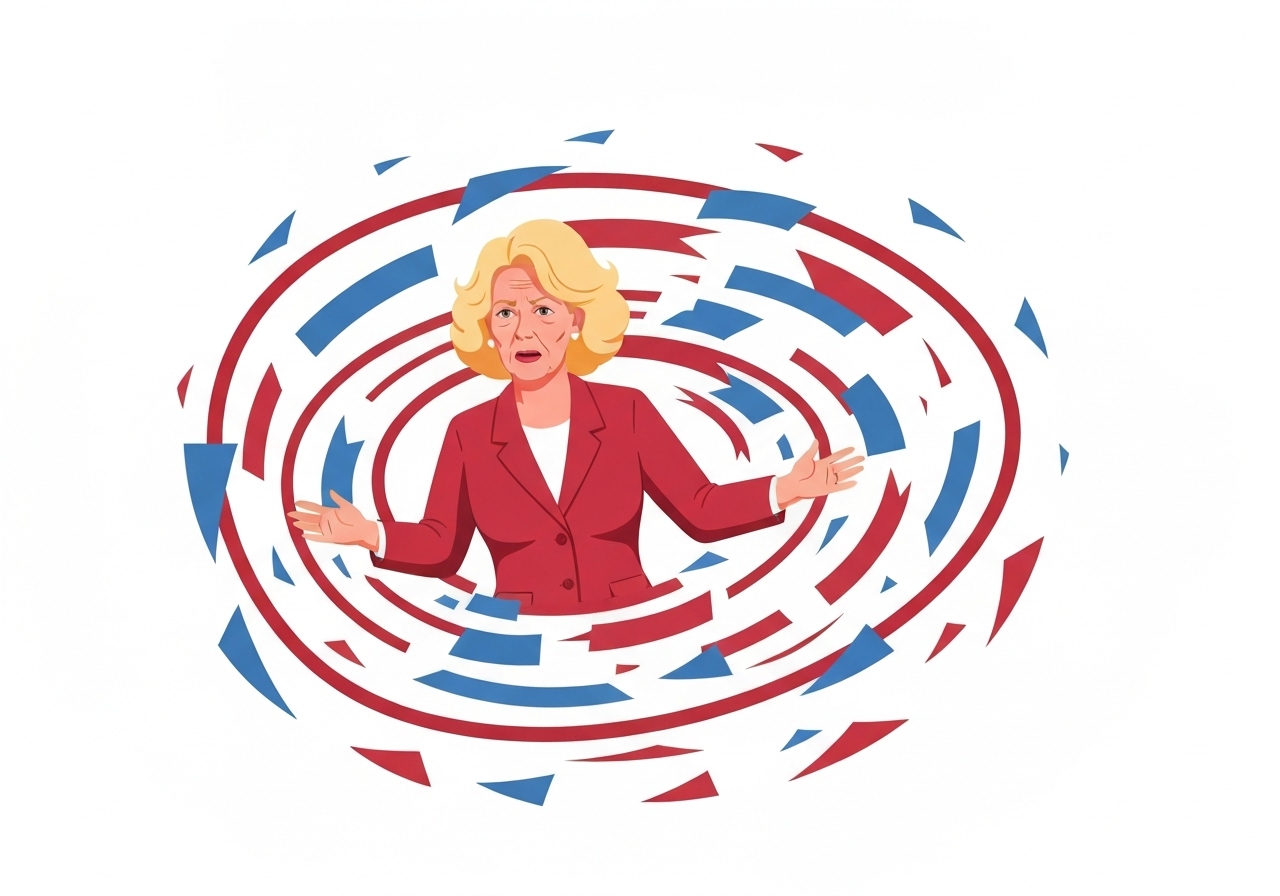
Rep. Marjorie Taylor Greene of Georgia said on November 15, 2025 that she has been receiving threats after President Donald Trump announced he was withdrawing his support for her. The development follows a high-profile split between Greene and Trump over several recent disputes, including the release of documents related to Jeffrey Epstein and a fight over expiring Affordable Care Act tax credits that contributed to a 43-day government shutdown. Greene said the rhetoric from critics, now amplified by the president, has a history of producing death threats and other harassment aimed at her. She did not provide detailed descriptions of the threats but linked them to a pattern of intimidation she says victims of Epstein have experienced.
Key Takeaways
- On November 14-15, 2025 President Trump posted that he was withdrawing his endorsement of Greene and suggested he might support a primary challenge; he used a social-media post citing a list of public figures and institutions in his explanation.
- Greene said she is receiving threats and noted past swatting incidents at her home; she described current rhetoric as having historically led to death threats and convictions.
- Greene was one of four House Republicans who joined all House Democrats in signing a discharge petition to force a vote on releasing Justice Department materials related to Jeffrey Epstein.
- The House Oversight Committee released more than 20,000 pages of documents tied to Epstein, prompting renewed public and congressional scrutiny.
- The dispute also touched on expiring Affordable Care Act tax credits that helped trigger a 43-day government shutdown; Greene publicly broke with many in her party on extending those credits.
- A group of more than two dozen people identifying as Epstein survivors or family members issued a joint statement backing Greene for her stance and noting many in that group have faced threats for speaking out.
Background
Marjorie Taylor Greene emerged as one of former President Trump’s most vocal congressional allies during his first term and afterward, aligned with his populist, confrontational style. That long alliance began to fray in recent weeks as Greene publicly sided with Democrats on specific measures, most notably a discharge petition seeking Justice Department records tied to Jeffrey Epstein and support for extending expiring Affordable Care Act tax credits. The tax-credit dispute contributed to a 43-day partial government shutdown before a bipartisan group of senators reached a deal that ended the impasse.
The release of material tied to Epstein has become a flashpoint in Washington, with the House Oversight Committee publishing more than 20,000 pages that members say raise questions for multiple public figures. Greene says she supports survivors and framed her actions as standing up for women who were victimized. At the same time, her home has been targeted previously by swatting calls, and the intensity of political rhetoric in recent years has coincided with documented threats against public officials and advocates.
Main Event
The current spasm began when President Trump posted on Truth Social that he was withdrawing his support and endorsement of Greene, and implied he might back a primary challenger. In his post he characterized her as having gone “far Left” and said he could not field calls from “a ranting Lunatic” among his many obligations, listing public figures and institutions in a hyperbolic aside. Greene responded on social media, denying some of Trump’s characterizations and saying she had not been calling him, though she shared texts she said she sent that same day.
Greene also told CBS Mornings that she saw Trump’s resistance to releasing Epstein-related files as a “huge miscalculation,” and reiterated that she stands with the women she described as survivors. Her move to join Democrats on the discharge petition marked a notable break with most House Republicans; only three other Republicans signed the measure with her. The petition, if successful and matched by a Senate concurrence, would compel the Justice Department to release specified materials.
Following Greene’s announcement that she had received threats, a separate joint statement from more than two dozen people identifying as Epstein survivors or family members expressed support for her public stance and thanked her for speaking out. A spokesperson for that group told CBS News many members of the group have themselves received death threats, describing such abuse as a price of public testimony. Greene did not provide specifics about the threats she referenced beyond noting their existence and the emotional impact.
Analysis & Implications
The public break between Greene and Trump underscores a rift within the Republican coalition that could have electoral consequences. Trump’s withdrawal of support raises the prospect of a primary challenge, which in historically aligned districts can decide a party’s nominee. For Greene, a high-profile conflict with Trump may mobilize both loyalists and opponents, changing the calculus for fundraising, endorsements and the primary electorate.
Beyond internal GOP politics, the episode highlights how polarized debates over sensitive material — in this case documents tied to Jeffrey Epstein — can produce cross-party alliances and unusual voting patterns. Greene’s alignment with Democrats on the discharge petition signals that the Epstein material is reshaping traditional partisan loyalties, at least for some lawmakers who frame the matter as one of accountability for victims.
Security implications are also significant: repeated swatting and threats directed at lawmakers and witnesses increase pressure on Capitol security, local law enforcement, and social platforms to respond. Lawmakers on both sides have increasingly called for better protections and clearer enforcement against doxxing, swatting and credible violent threats. How agencies and platforms respond in this case could set precedents for handling politically charged disclosures and harassment tied to them.
Comparison & Data
| Metric | Figure |
|---|---|
| Pages released by House Oversight | More than 20,000 |
| Length of recent government shutdown | 43 days |
| House Republicans who signed the discharge petition | 4 |
| Democratic senators who crossed aisle to end shutdown | 8 |
These figures provide context for the stakes: the Oversight release is sizable at over 20,000 pages, while the 43-day shutdown illustrates the policy fallout from disagreements over the Affordable Care Act credits. The small number of House Republicans joining Democrats on the petition underscores how politically unusual Greene’s position was. The crossover by eight Democratic senators to resolve the shutdown demonstrates that bipartisan deals remain possible on fiscal and health policy, even amid high tensions.
Reactions & Quotes
Officials and observers reacted swiftly after the exchanges between Greene and Trump. Below are representative short excerpts and context.
“Aggressive rhetoric attacking me has historically led to death threats and multiple convictions of men who were radicalized by the same type rhetoric being directed at me right now.”
Rep. Marjorie Taylor Greene, social media post
The quote above was part of a longer social post in which Greene said she took threats seriously and related them to the experiences of Epstein survivors. She framed her position as defending women who were victimized.
“I am withdrawing my support and Endorsement”
Former President Donald Trump, Truth Social
Trump’s short post signaled a formal break and included a pointed characterization of Greene; he also wrote that he could not be taking calls from a “ranting Lunatic,” language that Greene and others disputed. The post included a list of entities and numbers as part of a broader explanation for his stance.
“Thank you for standing up against the intimidation, silencing, and abuse that Epstein survivors have endured for decades.”
Group of self-identified Epstein survivors and family members, joint statement
That joint statement expressed public support for Greene’s positions on the records and noted that many signatories have themselves faced threats for speaking out.
Unconfirmed
- The exact content and source of the threats Greene referenced have not been publicly detailed or independently verified by law enforcement in this report.
- Any direct causal link between Trump’s social-media post and the threats Greene reported is unconfirmed and would require investigative corroboration.
Bottom Line
The public split between Marjorie Taylor Greene and Donald Trump is notable both for its personal political drama and for the policy questions it underscores, particularly around the release of Epstein-related materials and the busted partisan consensus on health-care tax credits. Greene’s claim of receiving threats highlights growing security concerns for public figures amid intense political disputes.
How Republican voters and local party organizations respond will shape whether the rift leads to a primary contest or a reconciliation. Meanwhile, the Epstein documents and responses from survivors continue to drive cross-party pressure for transparency, and agencies and platforms face renewed demands to address harassment and protect potential targets of coordinated threats.
Sources
- CBS News — news report, November 15, 2025