
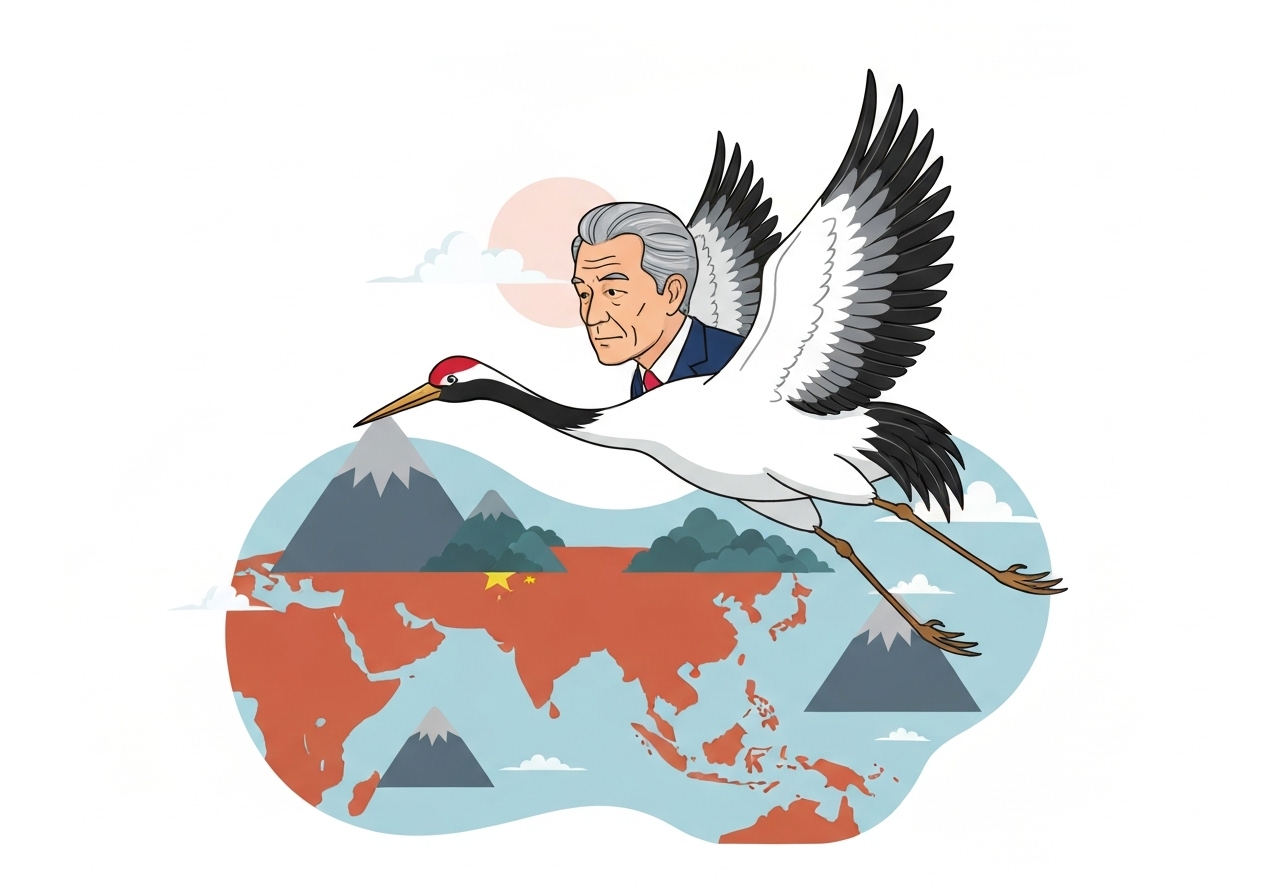
Lead
On November 17, 2025, Tokyo announced it will dispatch a senior diplomat to engage with Beijing after China issued a travel advisory telling nationals to avoid Japan and urging students in Japan to exercise caution. The move came as Japan protested Beijing’s response to remarks by Prime Minister Sanae Takaichi about Taiwan. Chief Cabinet Secretary Minoru Kihara called the Chinese advisory “unacceptable,” saying it runs counter to leaders’ shared goal of constructive, stable ties. Tokyo framed the envoy as a step to de-escalate and restore regular bilateral exchanges.
Key Takeaways
- Japan plans to send a senior diplomat to China following an advisory issued by Beijing on November 17, 2025 that warned travelers to avoid Japan and advised students to be cautious.
- Chief Cabinet Secretary Minoru Kihara publicly described the advisory as “unacceptable,” linking it to comments by Prime Minister Sanae Takaichi on Taiwan.
- The Japanese response seeks to defend bilateral exchanges Tokyo says leaders agreed should be “constructive and stable.”
- The development follows a visible rise in tensions between Tokyo and Beijing over Taiwan-related remarks and broader strategic competition in East Asia.
- Tokyo’s choice of a senior envoy signals an attempt at rapid diplomatic damage control rather than immediate reciprocal measures.
Background
Tensions between Japan and China have repeatedly flared around issues of regional security, historical grievances and political signaling over Taiwan. Prime Minister Sanae Takaichi’s recent comments touching on Taiwan prompted a stronger-than-usual Beijing response on November 17, 2025, when Chinese authorities issued travel guidance advising nationals to avoid Japan and recommending caution for students already in Japan. Both capitals have strong economic interdependence—trade and investment links remain substantial—so disruptions to people-to-people exchanges carry wider implications.
Tokyo and Beijing have intermittently used travel advisories, diplomatic summons and public statements as tools of signaling in past disputes. Japanese officials emphasized that the leaders of both countries have previously agreed on advancing a strategic and mutually beneficial relationship; Tokyo says recent Chinese actions deviate from that declared course. Domestic politics in both countries — including Tokyo’s debate over security posture and Beijing’s emphasis on domestic unity around foreign policy issues — shape how each government responds to provocative rhetoric and measures.
Main Event
On November 17, 2025 Tokyo moved to designate and dispatch a senior diplomat to engage Beijing directly, according to government statements reported that day. The decision was a direct reaction to Chinese advisories telling travelers to avoid Japan and urging students in Japan to exercise caution—an escalation Tokyo described as disproportionate. Chief Cabinet Secretary Minoru Kihara issued a statement saying these announcements “hinder bilateral exchanges” and are “not something we can accept,” tying the advisory to comments by Prime Minister Takaichi.
Japanese officials framed the envoy’s mission as narrowly focused: to clarify Tokyo’s intentions, request a reversal of measures seen as obstructive to people-to-people ties, and open channels to prevent further escalation. The selection of a senior diplomat rather than a top political figure signals Tokyo’s preference for managed, professional diplomacy over headline-grabbing confrontations. Japanese spokespeople emphasized that the move aims to realign momentum toward the leaders’ previously stated goal of stable, constructive relations.
Beijing’s advisory itself—while public and affecting citizens abroad—did not include formal trade sanctions or legal measures, according to reporting. Nevertheless, travel advisories can have immediate economic and social effects, particularly for students and expatriates, and can complicate routine consular functions. Tokyo’s response was therefore both diplomatic and practical: to seek prompt clarification and relief for affected Japanese interests and residents.
Analysis & Implications
The dispatch of a senior envoy is a calibrated diplomatic response that allows Tokyo to signal displeasure while keeping formal escalation limited. By using a senior career diplomat, Japan underscores a desire to resolve the issue through established channels and avoids immediate reciprocal punitive steps that could spiral into broader economic or security retaliation. For Tokyo, preserving business, tourism and academic exchanges with China is a key interest given deep bilateral economic ties.
For Beijing, issuing a travel advisory following remarks by a Japanese leader is a lever of pressure that serves domestic political audiences and sends a message regionally. Such measures can be repeated in future disputes, creating a pattern that complicates efforts to institutionalize crisis-management mechanisms between the two neighbors. The incident highlights the delicate interplay between domestic politics, strategic signaling on Taiwan, and the mechanics of day-to-day diplomacy.
Regionally, the episode may prompt allied capitals and multilateral institutions to closely monitor Tokyo-Beijing communications. Countries with citizens or students in Japan and China will watch how both governments manage consular and travel-related fallout. If the envoy succeeds in securing a public or private de-escalation, it could set a template for crisis containment; failure or protracted negotiations could deepen mistrust and invite reciprocal measures.
Comparison & Data
| Date | Action |
|---|---|
| November 17, 2025 | China issues travel advisory for nationals re: Japan; Japan announces senior diplomat to engage Beijing |
The table above summarizes the immediate timeline reported on November 17, 2025. While the advisory itself is a visible instrument of pressure, it differs from formal sanctions or diplomatic expulsions in legal effect; its primary impact is on movement and perception. Historical comparisons show that travel advisories often precede periods of cooled bilateral engagement but do not always lead to long-term rupture.
Reactions & Quotes
These announcements that hinder bilateral exchanges diverge from the broader direction agreed by our respective leaders to build constructive and stable ties in line with a strategic and mutually beneficial relationship. It is not something we can accept.
Minoru Kihara, Chief Cabinet Secretary of Japan
Japan will send a senior diplomat to Beijing to convey Tokyo’s concerns and seek a return to routine exchanges, according to Japanese government reporting cited by national and international media.
NHK / Bloomberg reporting
Unconfirmed
- Whether Beijing will formally accept the senior diplomat’s visit and schedule face-to-face talks remains unconfirmed.
- The exact phrasing and full context of Prime Minister Sanae Takaichi’s remarks that prompted Beijing’s advisory have not been published in full by a bilateral official transcript.
- The immediate impact of the advisory on student enrollment, tourism bookings, or corporate travel between the two countries is still being assessed and lacks complete data.
Bottom Line
Tokyo’s decision to send a senior diplomat on November 17, 2025 is a targeted effort to defuse a rise in tensions after Beijing’s travel advisory linked to comments by Prime Minister Sanae Takaichi. The move prioritizes managed diplomacy and the protection of people-to-people ties over dramatic retaliation. Observers should watch whether Beijing accepts the envoy and whether both capitals can negotiate a return to the leaders’ stated objective of constructive, stable relations.
If the mission succeeds, it could reinforce crisis-management norms and reduce the likelihood of similar advisories being used as routine instruments of pressure. If it fails, the incident could harden positions and increase the frequency of reciprocal public measures, raising risks for regional stability and for individuals affected by travel guidance.
Sources
- Bloomberg (media: international news)