
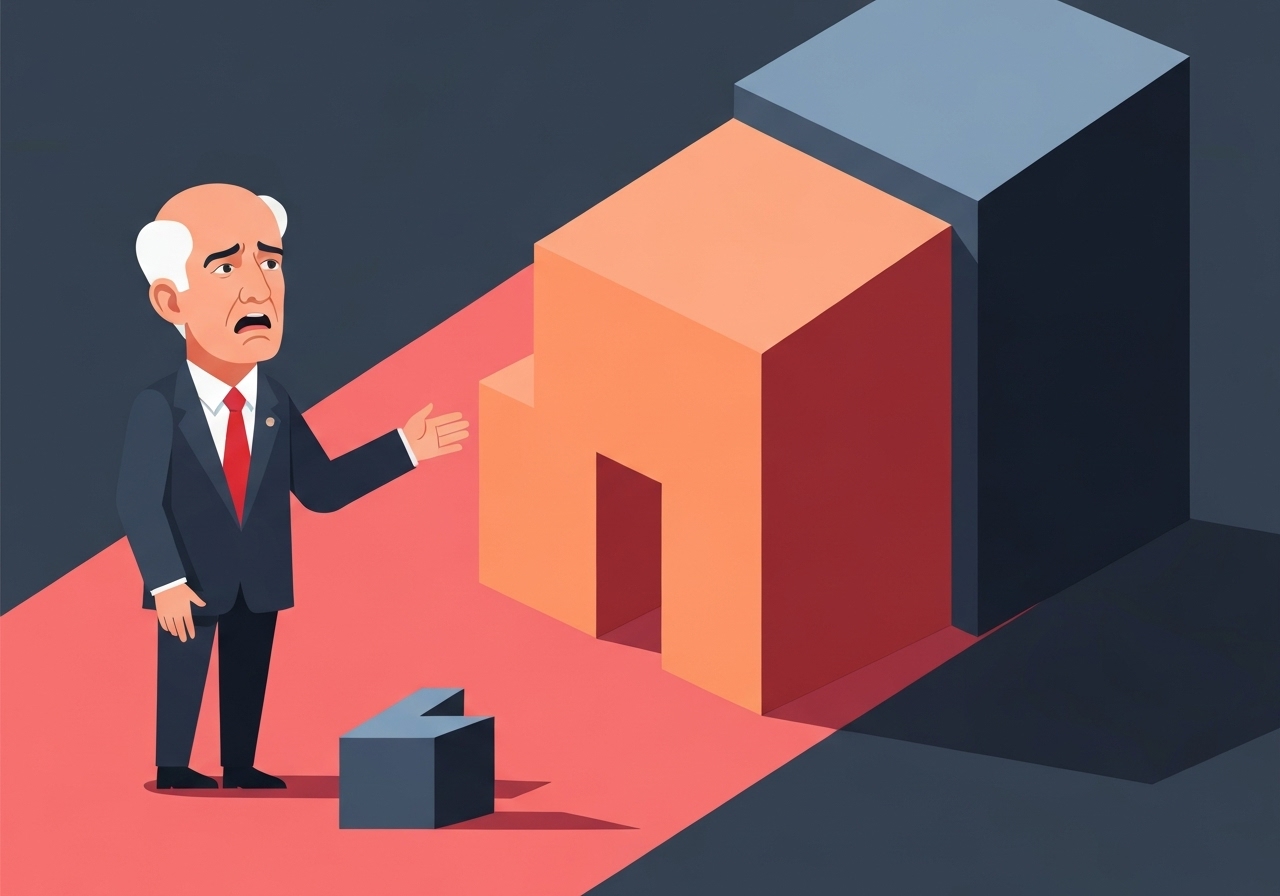
On 2 September 2025, Ray Dalio, founder of Bridgewater Associates, warned that widening wealth gaps and eroding trust are pushing the United States toward more autocratic governance, while ballooning deficits could trigger a debt-driven crisis within roughly three years. He also said many business leaders are reluctant to publicly challenge Donald Trump’s economic approach.
- Dalio links rising inequality to a drift from liberal democracy toward autocratic tendencies.
- He projects a “debt-induced” crisis in about three years, depending on fiscal paths.
- Concerns include attacks on Federal Reserve independence and policy pressure to cut rates.
- Fed Chair Jerome Powell has cautioned tariffs can lift prices, complicating policy goals.
- Dalio argues investor confidence in dollar assets could weaken if the Fed’s credibility erodes.
- He says some executives stay silent out of fear of retaliation for criticism.
- Bridgewater manages about $170bn; Dalio’s net worth is about $19bn.
- Comments were reported on 2 Sep 2025; The Guardian cited his interview with the Financial Times.
Verified Facts
Dalio told the Financial Times that large “gaps in wealth” and a breakdown in social trust are fueling more extreme policy positions in the U.S. and other Western democracies. He drew historical parallels to the 1930s–40s, a period marked by sharp polarization and the rise of authoritarian leaders.
He warned that the latest U.S. fiscal trajectory—featuring sizable deficits and growing debt—raises the risk of what he called a near-term, debt-induced economic shock. Dalio estimated a rough timeline of around three years, plus or minus one to two years, contingent on how spending and borrowing evolve.
Dalio criticized political pressure on the Federal Reserve to cut interest rates to spur growth despite elevated inflation risks. He referenced recent tariff increases that Fed Chair Jerome Powell has said could lift prices and unsettle investors. Dalio argued that undermining the Fed’s credibility could make dollar-denominated assets less attractive, weakening the monetary order that relies on confidence in U.S. institutions.
The billionaire investor also claimed that many corporate leaders are hesitant to speak publicly against the administration’s policies due to fear of retaliation. Dalio launched Bridgewater in 1975; the firm manages about $170bn, and his personal wealth is estimated at approximately $19bn.
Context & Impact
Dalio’s remarks add to a long-running debate about how inequality affects political stability and policy choices. When wealth and opportunity gaps widen, electorates often gravitate toward populist solutions on the left and right, making compromise harder and pushing leaders to exert stronger centralized control.
Fiscal dynamics are central to his warning. Heavy borrowing paired with higher interest costs can pressure budgets, limit policy flexibility, and prompt investors to demand higher yields—potentially straining the dollar and financial markets. If confidence in the Fed’s independence falters, funding U.S. deficits could become more expensive.
For businesses, these forces raise planning risks: policy volatility, trade frictions that can lift costs, and interest-rate swings that affect investment. For households, higher inflation or tighter financial conditions would erode purchasing power and job security, particularly for lower- and middle-income workers who have less cushion against shocks.
Key timeline note
: Dalio’s warnings were reported by The Guardian, citing his Financial Times interview; Powell’s concerns about tariffs had been previously communicated in public remarks.
Official Statements
Wealth and trust gaps are producing more extreme politics, weakening democracy and inviting stronger, more centralized leadership.
Ray Dalio, via remarks reported 2 Sep 2025
Higher tariffs risk adding to inflation, complicating efforts to lower rates and potentially unsettling investors.
Jerome Powell, Federal Reserve (prior public comments summarized)
Unconfirmed
- Specific mechanisms or scope of any proposed government purchases of corporate equity tied to a “Made in America” agenda were not detailed.
- Exact provisions in the “new budget” driving projected deficits were not fully outlined in the reporting.
- The three-year crisis timeline is an estimate, not a prediction with disclosed quantitative thresholds.
- The extent of business leader self-censorship is based on Dalio’s claim; no survey data were cited.
Bottom Line
Dalio’s core message is that inequality and mounting debt are reinforcing one another, straining democratic processes and market confidence. Whether policymakers can lower inflation, protect Fed independence, and stabilize deficits will likely determine if his projected debt shock is avoided.
Investors and executives face a policy environment where trust in institutions is pivotal. If that trust holds, the U.S. can manage high debt and transition to steadier growth; if it erodes, funding costs and political risks could rise quickly.