
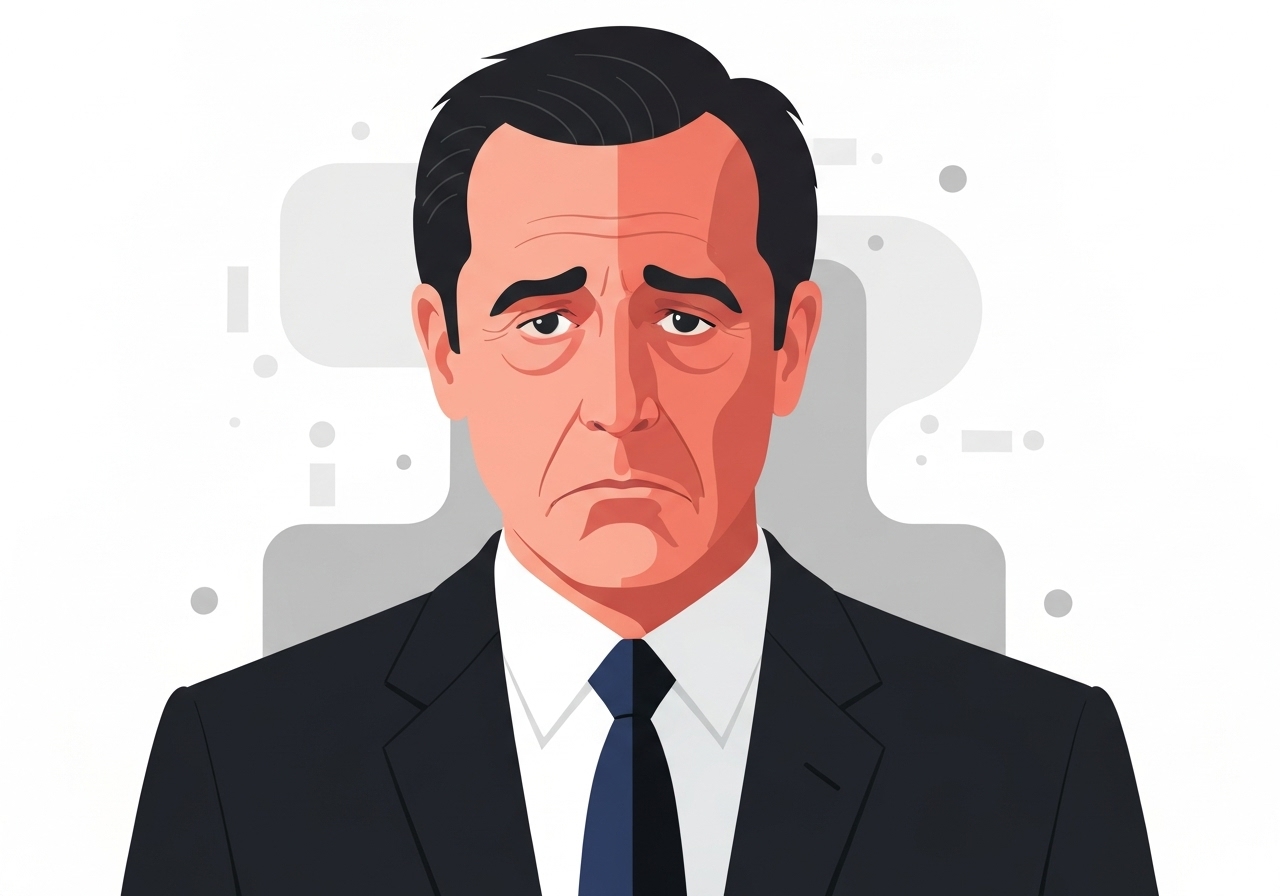
Former Treasury Secretary and ex-Harvard president Larry Summers announced he will step back from public commitments after emails showing his communications with Jeffrey Epstein were released by the House Oversight Committee last week. In a statement issued Monday, Summers said, “I am deeply ashamed of my actions and recognize the pain they have caused,” and accepted responsibility for continuing to communicate with Epstein. Summers will continue teaching while withdrawing from public-facing roles as he seeks to rebuild trust with colleagues and family. The disclosure amplifies scrutiny of past ties between prominent institutions and Epstein.
Key Takeaways
- Larry Summers said he will step back from public commitments while remaining on Harvard’s faculty and continuing his teaching duties.
- House Oversight Committee documents include emails showing repeated contact between Summers and Jeffrey Epstein through at least March 2019, months before Epstein’s July 2019 federal indictment.
- Flight logs made public in litigation show Summers flew on Epstein’s aircraft at least four times (1998, 2004, twice in 2005).
- Harvard reports show Epstein gave more than $9 million to Harvard programs; the largest was a $6.5 million gift in 2003 linked to a program Summers helped establish.
- No survivor has publicly accused Summers of criminal wrongdoing; there is no public evidence linking him to Epstein’s crimes, though the emails suggest unusually close communications.
- Sen. Elizabeth Warren publicly urged Harvard to cut ties with Summers, saying continued association undermines trust in his judgment.
Background
Jeffrey Epstein, a financier later convicted in Florida in 2008 of solicitation of prostitution with a minor, attracted renewed scrutiny after an extensive 2018 Miami Herald investigation and a 2019 federal indictment for sex trafficking. Epstein died by suicide in August 2019 while facing federal charges. Since then, litigation and congressional inquiries have progressively released records—flight logs, calendars and emails—that have exposed a wide circle of social and professional contacts.
Larry Summers, who served as U.S. Treasury deputy and later Treasury secretary in the Clinton administration and as Harvard president from 2001 to 2006, is among those whose ties to Epstein have been documented. During Summers’ Harvard presidency, Epstein donated millions to university programs and was admitted twice as a Visiting Fellow in the psychology department. The university’s own 2020 review cataloged donations and described concerns about Epstein’s qualifications for the fellow designation.
Main Event
This week the House Oversight Committee released a batch of previously private emails that included exchanges between Summers and Epstein. The newly public messages span years and include both casual and substantive notes—some about dating and personal matters, others referencing politics and shared acquaintances. One March 2019 exchange shows back-and-forth messages on an unnamed woman, months before federal charges were filed against Epstein.
Summers issued a brief public statement acknowledging error and expressing remorse, saying he will step away from public commitments as part of efforts to repair relationships and rebuild trust. Harvard’s faculty roster lists Summers as continuing in a teaching role, and university officials have not announced personnel actions pending any internal review. Summers’ statement reiterated regret for post-conviction contact with Epstein, language that has appeared in prior statements reported by news outlets.
Records disclosed in prior litigation and reporting show Summers flew on Epstein’s plane at least four times, including once in 1998 and three flights between 2004 and 2005. Epstein’s calendars and schedules—made public in other proceedings—also show meetings and social events listing Summers alongside other high-profile figures. Harvard’s 2020 review identified more than $9 million in Epstein-linked gifts to faculty and programs, and noted that Epstein’s admitted Visiting Fellow appointments did not meet typical academic standards.
Analysis & Implications
The released emails and related records raise questions about personal judgment, institutional oversight and donor vetting. For an academic leader and former cabinet official, ongoing private contact with a figure later convicted and widely reported as an abuser strains public trust. Even absent evidence of criminal conduct by Summers, the optics complicate his role as an influencer of policy and as a teacher of graduate students and younger scholars.
For Harvard, the episode underscores challenges universities face in balancing philanthropy with ethical and reputational risk. Large gifts can accelerate research programs and build talent, yet the processes that approve and publicly associate donors with institutional programs are now under scrutiny. Harvard’s prior internal review acknowledged shortcomings in how some Epstein-linked contacts and gifts were handled; renewed attention could prompt governance reforms or stricter gift-acceptance rules across higher education.
Politically, the disclosures feed narratives about elite networks and access. Senators and public figures have used the material to demand accountability; at the same time, legal exposure is limited because no allegation links Summers to Epstein’s crimes. Nevertheless, the reputational damage may lead to curtailed advisory roles, removed honors, or other non-judicial consequences as institutions react to public pressure.
Comparison & Data
| Metric | Detail |
|---|---|
| Reported Epstein gifts to Harvard | More than $9 million (largest: $6.5 million in 2003) |
| Confirmed Summers flights on Epstein plane | At least 4 flights (1998; 2004; two in 2005) |
| Epstein convictions/charges | 2008 Florida plea (solicitation of prostitution with a minor); July 2019 federal sex-trafficking indictment |
The table condenses donations, travel logs and the legal timeline that frame the controversy. Context matters: Harvard says the gifts predated the 2008 Florida conviction, while later documents and reporting show contact continued after 2008. Flight logs and calendars are factual records used in litigation; emails provide texture but often lack external corroboration for motive or full context.
Reactions & Quotes
Sen. Elizabeth Warren publicly criticized Summers’ continued association with Epstein and urged Harvard to end ties. Her statement frames the issue as one of judgment and institutional trust, pressing for concrete action from Harvard leadership.
“If he had so little ability to distance himself from Jeffrey Epstein even after all that was publicly known, then Summers cannot be trusted to advise our nation’s politicians, policymakers, and institutions,”
Sen. Elizabeth Warren (D–Mass.), statement reported by CNN
Summers’ own short statement of remorse has been cited by multiple outlets. The university has not announced disciplinary measures and Summers said he would continue teaching while stepping back from public-facing roles.
“I am deeply ashamed of my actions and recognize the pain they have caused. I take full responsibility for my misguided decision to continue communicating with Mr. Epstein,”
Larry Summers, public statement
Unconfirmed
- There is no public evidence that Summers participated in or knew of Epstein’s criminal activities; any implication beyond documented contact remains unproven.
- The precise context and intent of many personal emails—particularly those with dating-advice content—are ambiguous and not independently corroborated.
- Claims within some emails that Epstein was in contact with particular administration officials are not independently verified by the released material.
Bottom Line
The release of emails linking Larry Summers to Jeffrey Epstein has prompted a forced recalibration of Summers’ public role and renewed scrutiny of how elite institutions handle problematic donors. Summers’ expressed remorse and decision to step back from public commitments respond to reputational risk, but they do not address every question left by the records now public.
For Harvard and similar institutions, the episode is likely to accelerate governance reviews and tougher vetting of donors and affiliations. Absent legal allegations against Summers, the consequences will be primarily reputational and institutional; nonetheless, the public fallout may shape alumni, donor and student expectations about accountability and transparency going forward.
Sources
- ABC News (news report on Summers statement and Oversight Committee releases)
- Harvard Gazette (institutional reporting on Harvard’s review of Epstein connections)
- The Wall Street Journal (news reporting on Epstein’s network and prior coverage)