
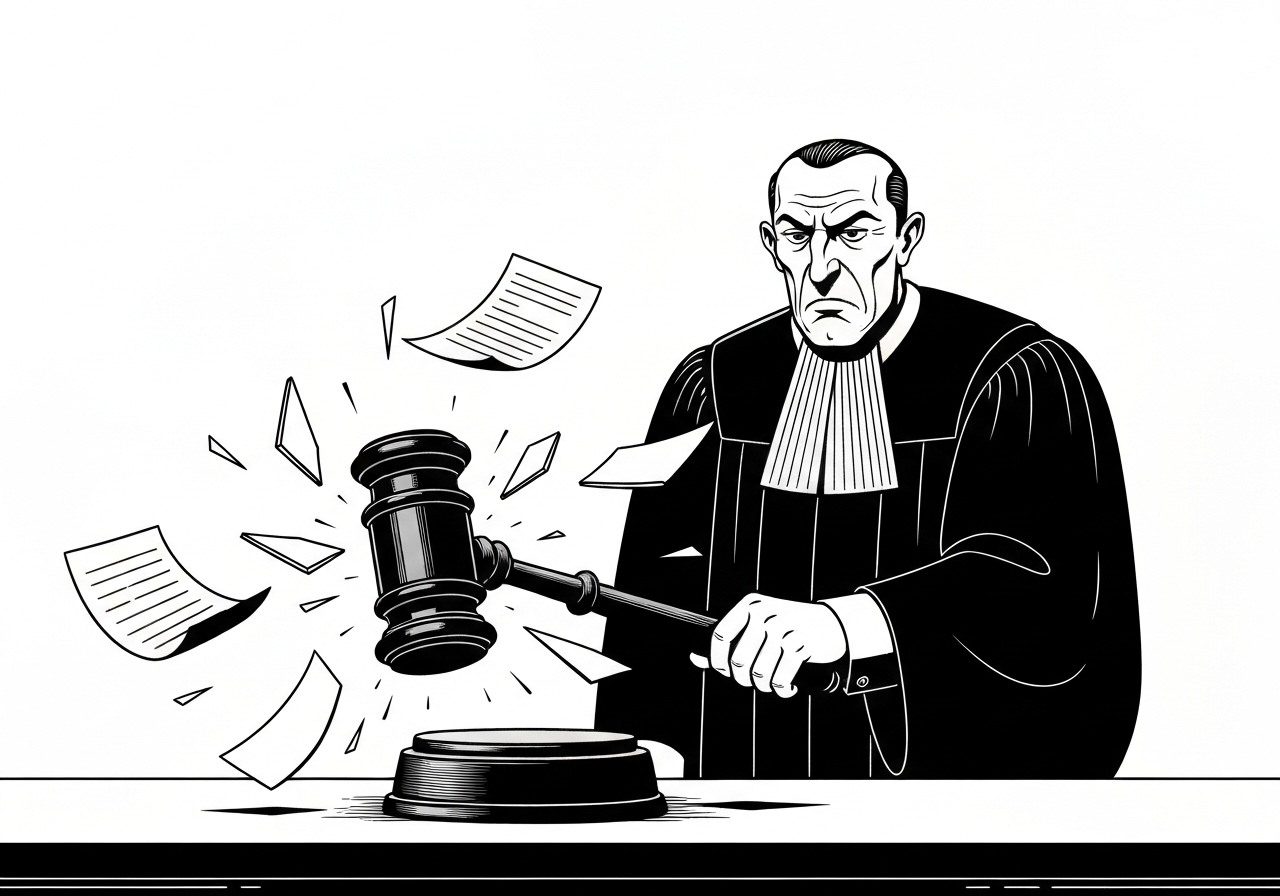
On Nov. 24, 2025, a federal judge in South Carolina dismissed separate criminal indictments against former F.B.I. director James B. Comey and New York Attorney General Letitia James, ruling that the prosecutor who brought the cases had been unlawfully installed. Judge Cameron McGowan Currie found that Lindsey Halligan—appointed in rapid succession by President Trump and former Florida Attorney General Pam Bondi—lacked lawful authority to present the indictments in the Eastern District of Virginia. The dismissals were entered without prejudice, leaving open the possibility the government could refile charges while the legal dispute over the appointment proceeds. The rulings represent a significant procedural setback for the Trump administration’s effort to use federal prosecutions against political adversaries.
- Judge Cameron McGowan Currie dismissed the Comey indictment on Nov. 24, 2025, finding the appointment that produced the indictment invalid.
- The judge made a parallel finding in the case against Letitia James, who faced a charge alleging she misled financial institutions to obtain a better mortgage rate.
- The dismissals were entered without prejudice, meaning prosecutors may seek to refile the cases if they can cure the appointment defect.
- Lindsey Halligan, a former White House staffer, was installed as an interim U.S. attorney in an expedited process involving Pam Bondi and the president; the court deemed that process unlawful.
- The rulings target the appointment mechanism rather than the underlying allegations, focusing the dispute on separation-of-powers and statutory authority.
- The Trump administration is expected to appeal the decisions rather than abandon two high-profile prosecutions tied to the president’s political agenda.
- The cases raise broader questions about the use of temporary appointment powers and the integrity of politically sensitive prosecutions.
Background
The two indictments grew out of a controversial use of interim appointment procedures that fast-tracked Lindsey Halligan into the role of a U.S. attorney for the Eastern District of Virginia. Under the timeline laid out in court filings, Halligan was installed and within days moved forward with charges against two prominent figures whom President Trump has publicly criticized. Legal challenges to her appointment focused on whether the attorney general—and the president—followed statutory and constitutional requirements for installing an interim federal prosecutor.
The broader context includes a pattern over recent years of politically charged criminal matters tied to senior political figures. Federal appointment rules are designed to balance continuity in the justice system with safeguards against partisan manipulation, and courts historically scrutinize deviations from established procedures. The rushed nature of Halligan’s elevation and the administration’s unusual process prompted rapid legal challenges from defense teams asserting that the indictments were void from the outset.
Main Event
In written opinions issued Nov. 24, 2025, Judge Currie concluded that the mechanism used to install Halligan did not confer lawful authority to present the indictments. For Mr. Comey, Currie wrote that the attorney general’s attempt to install Halligan as interim U.S. attorney for the Eastern District of Virginia was invalid, and because Halligan lacked lawful authority, the indictment must be dismissed without prejudice. The same legal defect was found in the prosecution of Letitia James, resulting in a parallel dismissal.
The practical effect of the rulings is procedural: prosecutors lost the immediate ability to pursue those specific indictments, but the dismissals do not foreclose refiling. The government can attempt to cure the appointment flaw—either by following statutory appointment steps or by seeking confirmation of a properly appointed U.S. attorney—and then refile charges if it chooses. Court watchers expect the Justice Department or the administration to press appeals on the appointment issue rather than accept the current dismissals as final.
Court filings and public statements around the cases emphasized that the judge’s findings turned on appointment authority and not on the merits of underlying allegations. That distinction means the factual accusations against Mr. Comey and Ms. James remain contested in other forums, but they will not proceed under indictments that a federal court has found were presented without lawful authority.
Analysis & Implications
The rulings sharpen the legal question of how far executive actors may go in installing temporary federal prosecutors to pursue politically charged cases. If courts permit informal or expedited appointment routes to stand, critics warn that it would create an avenue for administrations to bypass Senate-confirmed appointments and pursue partisan prosecutions. Conversely, strict enforcement of appointment statutes reinforces procedural safeguards that insulate charging decisions from improvised political influence.
Politically, the dismissals are a setback for Mr. Trump’s strategy to leverage federal prosecutions against perceived opponents. While dismissal without prejudice leaves the door open for refiling, each refiling would prolong litigation and public scrutiny, potentially diffusing the political effect of the original indictments. An appeal by the administration would elevate the appointment issue to higher courts, where precedent on interim appointment powers could be clarified or reshaped.
For the Justice Department and career prosecutors, the decisions underscore operational risks when high-stakes matters are channeled through ad hoc appointment paths. The cases may prompt internal reviews of appointment practices and heighten demand for clear documentation whenever interim prosecutors are installed in politically sensitive matters. International observers and legal scholars will likely monitor any appellate rulings for their wider impact on executive authority and prosecutorial independence.
Comparison & Data
| Case | Charged | Judge | Ruling | Date |
|---|---|---|---|---|
| James B. Comey | Criminal indictment dismissed | Cameron McGowan Currie | Dismissed without prejudice (appointment defect) | Nov. 24, 2025 |
| Letitia James | Charged with misleading lenders (mortgage) | Cameron McGowan Currie | Dismissed without prejudice (appointment defect) | Nov. 24, 2025 |
The table summarizes the immediate, documentable outcomes: two high-profile indictments were dismissed by the same judge on the same day for the same legal defect. That direct comparison highlights how a single procedural move—an appointment—can determine whether cases proceed to trial or stall at the threshold of prosecution.
Reactions & Quotes
“The appointment was invalid.”
Judge Cameron McGowan Currie
The judge’s concise framing focused the dispute on authority and procedure rather than on the defendants’ conduct. Legal teams for both defendants had sought dismissals on precisely that ground, arguing that any indictment presented by an improperly appointed prosecutor could not stand in federal court.
“This is a developing story. Check back for updates.”
The New York Times (reporters Alan Feuer and Devlin Barrett)
Reporters covering the matter noted the procedural posture and signaled that additional filings and appeals were likely. Observers from across the legal and political spectrum reacted by emphasizing either the procedural victory for the defendants or the unfinished nature of the prosecutions, depending on their perspective.
Unconfirmed
- Whether prosecutors will refile identical charges against Mr. Comey or Ms. James remains uncertain; no refiling has been filed as of Nov. 24, 2025.
- The precise legal arguments the government will advance on appeal are not yet publicly filed and therefore remain speculative.
- Motivations behind the rapid appointment timeline—beyond public political context—have not been fully disclosed in court papers available to date.
Bottom Line
The Nov. 24 rulings illuminate how procedural steps in the appointment of federal prosecutors can make or break politically charged cases. By focusing on the legality of Lindsey Halligan’s installation, Judge Currie removed two high-profile indictments from immediate judicial consideration while leaving open the possibility of refiling and further appellate litigation.
For prosecutors and policymakers, the decisions reinforce that adherence to statutory appointment mechanisms matters not only for institutional legitimacy but also for the practical continuity of prosecutions. For the parties involved and the broader public, the next phases—possible refiling, appeals, and any resulting precedents—will determine whether this episode reshapes norms around interim appointments or becomes a case study in procedural vulnerability.