
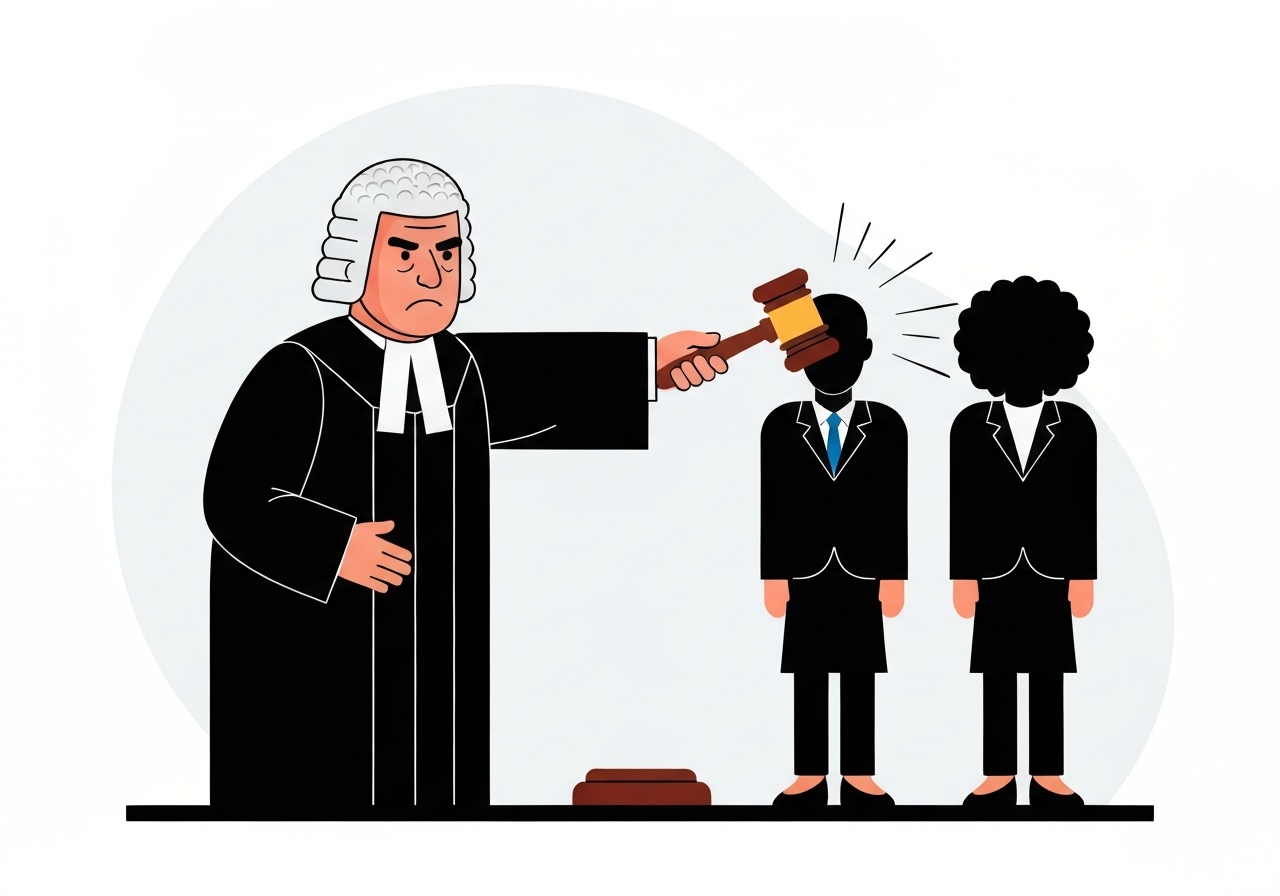
On Monday, Judge Cameron McGowan Currie dismissed criminal indictments against former FBI director James Comey and New York Attorney General Letitia James, finding the prosecutor who presented the cases was unlawfully appointed. The judge concluded Lindsey Halligan, appointed interim U.S. attorney for the Eastern District of Virginia in September by the Trump administration, had “no lawful authority to present the indictment,” and ordered that actions stemming from that appointment be set aside. Both Comey and James denied wrongdoing and framed the prosecutions as politically motivated; Currie dismissed each case “without prejudice,” leaving a theoretical path for recharging under a properly appointed prosecutor. It remains uncertain whether prosecutors can refile Comey’s charge because the statute of limitations for his alleged offense expired on 30 September 2025.
Key Takeaways
- Judge Cameron McGowan Currie ruled on Monday that Lindsey Halligan lacked lawful authority to present indictments, prompting the court to set aside actions tied to her appointment.
- Criminal charges against James Comey (lying to Congress) and Letitia James (mortgage fraud) were dismissed “without prejudice,” allowing possible refiling under a valid appointment.
- The statute of limitations for Comey’s alleged offense expired on 30 September 2025, complicating any prospect of reprosecution in his case.
- Both defendants issued immediate statements denying wrongdoing; James called the charges “baseless,” Comey called the prosecution driven by “malevolence and incompetence.”
- The decision centers on the legality of an interim appointment made in September 2025 by the Trump administration for the Eastern District of Virginia.
- Dismissal on appointment grounds does not resolve factual assertions in the indictments; it addresses who had authority to bring charges.
- The ruling may prompt renewed scrutiny of recent interim appointments across the Justice Department and could affect other prosecutions tied to similar staffing decisions.
Background
The litigation stems from separate investigations that produced indictments against two high‑profile public officials: James Comey, charged with lying to Congress five years ago, and Letitia James, charged with mortgage fraud. Both prosecutions were advanced after Lindsey Halligan was named by the White House as interim U.S. attorney for the Eastern District of Virginia in September 2025. Challenges to the validity of special or interim appointments have become a recurring legal battleground in recent months as the Justice Department’s staffing choices have come under scrutiny.
Federal appointment law requires that prosecutors be appointed by authorities who have the statutory or constitutional power to do so; when that authority is absent or defective, courts can set aside actions taken by improperly appointed officials. The Eastern District of Virginia is a frequent venue for high‑profile federal prosecutions, which magnified the stakes of Halligan’s interim role. The dismissal follows legal arguments focused not on the underlying allegations but on whether the executive branch followed the law in placing Halligan in that position.
Main Event
Judge Currie examined the paperwork and authority underpinning Halligan’s appointment and concluded she “had no lawful authority to present the indictment” against Comey and James. The opinion held that “all actions flowing from Ms Halligan’s defective appointment” were unlawful exercises of executive power and therefore must be set aside. Practically, the judge ordered both indictments dismissed but explicitly used the term “without prejudice,” preserving the government’s theoretical ability to reindict under a properly constituted prosecutorial authority.
Comey’s charge—a count of lying to Congress—originated in an investigation that produced the indictment five years earlier. James faced a mortgage‑fraud indictment brought by the same office after Halligan’s interim appointment. In court filings and public statements both defendants said the cases were politically motivated: James said she remained “fearless” and would continue her work for New Yorkers, while Comey called the prosecution a product of “malevolence and incompetence.”
Legal counsel for the Department of Justice has options: the government could attempt to refile charges through a properly installed U.S. attorney, or it could decline to pursue the matters further. But in Comey’s instance the expiration of the statute of limitations on 30 September 2025 narrows the government’s practical options. The judge’s ruling therefore resolves the immediate procedural hurdle but leaves open strategic and temporal questions for prosecutors.
Analysis & Implications
The ruling emphasizes procedural safeguards intended to prevent the executive branch from advancing prosecutions absent lawful appointments. Courts can enforce appointment rules as a check on executive power; this decision exemplifies that role. If prosecutions can be voided on appointment defects, defendants gain a potential avenue to defeat indictments without litigating the underlying facts, a dynamic that may encourage defendants to scrutinize the provenance of prosecutorial authority in other high‑profile cases.
Politically, the dismissal will be portrayed differently by stakeholders: supporters of Comey and James will see vindication and a rebuke of perceived politicization, while the administration and its backers may argue legal technicalities should not impede substantive accountability. The ruling does not address guilt or innocence; it addresses who had legal authority to bring charges, a distinction that courts and commentators will stress as this story develops.
Practically, the government’s next steps will hinge on prosecutorial judgment and timing. For Comey the expired statute of limitations on 30 September 2025 could foreclose reprosecution on the same charge, making the dismissal effectively final. For James, if statutory time bars do not apply or if alternative charges exist, prosecutors could seek reindictment under a valid appointment—an outcome that would shift the dispute back to the courtroom on substantive grounds.
Comparison & Data
| Subject | Alleged Offense | Indictment Date | Statute of Limitations | Disposition |
|---|---|---|---|---|
| James Comey | Lying to Congress | Five years earlier (indictment filed) | Expired 30 Sep 2025 | Dismissed without prejudice |
| Letitia James | Mortgage fraud | After Halligan appointment (Sept 2025) | Not specified in ruling summary | Dismissed without prejudice |
The table highlights the procedural commonality—the Halligan appointment—as the decisive factor rather than the differing substantive allegations. That difference will matter if prosecutors choose to refile: Comey’s timing constraint complicates reprosecution, while James’s prospects depend on statutes and prosecutorial discretion.
Reactions & Quotes
I remain fearless in the face of these baseless charges as I continue fighting for New Yorkers every single day.
Letitia James — statement following the ruling
James framed the court’s decision as vindication and reiterated her commitment to public service. Her office emphasized the criminal case had been an attempt to punish a political opponent rather than a legitimate law‑enforcement action.
I’m grateful that the court ended the case against me which was a prosecution based on malevolence and incompetence.
James Comey — recorded comment
Comey characterized the ruling as a broader statement about the limits on presidential influence over the Department of Justice. His remarks underline a theme in his post‑verdict messaging: the need to protect prosecutorial independence from political intervention.
Unconfirmed
- Whether the Department of Justice will attempt to refile the charges against James under a properly appointed U.S. attorney remains unannounced and dependent on internal prosecutorial review.
- It is not yet confirmed whether any other indictments brought after Halligan’s interim appointment will be affected; further court challenges may reveal the broader scope of the ruling.
- Reports that a White House‑arranged meeting between President Trump and President Zelenskyy will occur later this week are based on sources and have not been officially scheduled or confirmed by either administration.
Bottom Line
Judge Currie’s opinion resolves a near‑term legal obstacle for Comey and James by vacating their indictments on appointment‑authority grounds, but it stops short of a merits determination. The dismissal protects the defendants now, and in Comey’s case the expired statute of limitations on 30 September 2025 may make the result effectively final. For prosecutors, the ruling is a cautionary reminder that procedural correctness—especially in high‑visibility matters—can be dispositive.
Observers should watch for two developments: whether the Justice Department seeks to refile charges where statutes permit, and whether other indictments tied to similar interim appointments are challenged in court. Either path could reshape how the executive branch staffs key prosecutorial roles and how courts police the line between lawful appointment and overreach.
Sources
- The Guardian — news media report summarizing the court ruling and related developments.