
Lead
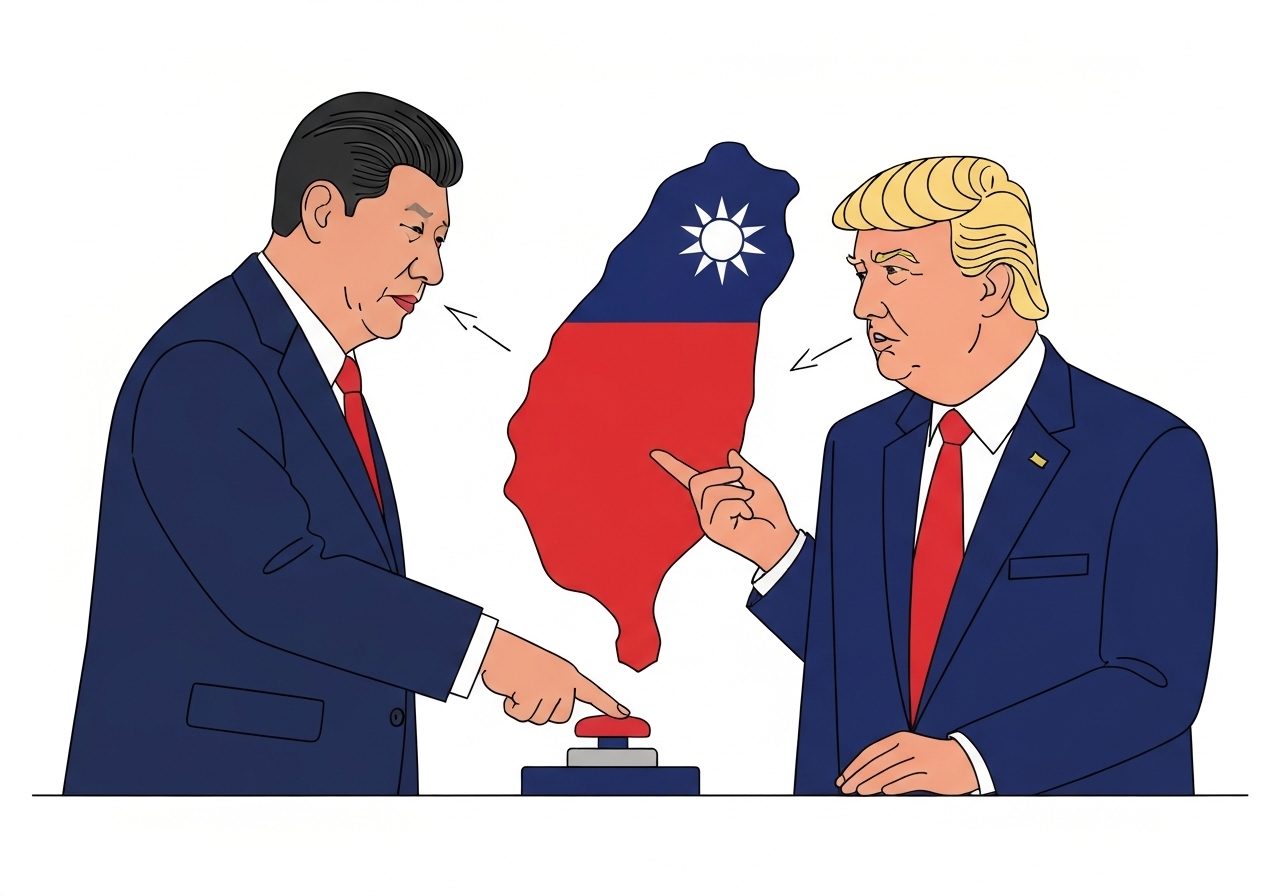
On Nov. 24, 2025, Chinese leader Xi Jinping phoned U.S. President Donald Trump in a call that Xi initiated, according to official accounts. The leaders spoke for about an hour and discussed Taiwan, the war in Ukraine, and sluggish Chinese purchases of U.S. farm goods. Mr. Trump said he accepted an invitation to visit Beijing in April, and announced plans to host Mr. Xi for a reciprocal state visit in the United States later the same year. The conversation followed rising regional tensions and a recent diplomatic thaw begun at a summit in South Korea.
Key Takeaways
- Call date and origin: Xi Jinping initiated a bilateral phone call with President Trump on Nov. 24, 2025; U.S. officials say the call lasted about one hour.
- Beijing visit agreed: Mr. Trump accepted an invitation to travel to Beijing in April; both leaders discussed arranging a reciprocal state visit to the U.S. later in the year.
- Main topics: Taiwan, Russia’s invasion of Ukraine, and trade — including China’s below-expectation purchases of U.S. soybeans and exports of chemicals linked to fentanyl synthesis.
- Context of détente: The call follows a Busan summit in South Korea where both sides agreed to a yearlong truce and rolled back many tariffs imposed earlier.
- Diplomatic parallel: Senior U.S. aides were reported to have pressed Ukrainian officials in Geneva on a proposed settlement with Russia, a plan Russia has not accepted.
- Regional tensions: The call came amid rising China–Japan frictions over Taiwan’s security and maritime activity in recent weeks.
Background
Relations between Washington and Beijing have oscillated between competitive confrontation and managed engagement since 2018, when a major tariff dispute began. In 2025 the two sides have sought limited détente: a summit in Busan, South Korea, produced a yearlong truce and the rollback of a number of mutually levied tariffs. Those moves were designed to stabilize trade and reduce the risk of escalatory economic measures.
At the same time, flashpoints remain. Taiwan’s status has heightened tensions in Northeast Asia, provoking sharper diplomatic and military signaling between China and its neighbors, notably Japan. Washington has continued arms sales and political support for Taipei, while Beijing views such steps as interference in what it considers an internal matter.
Main Event
According to U.S. and Chinese accounts released after the call, President Xi initiated the telephone conversation, an uncommon diplomatic opening at the leader-to-leader level. The call addressed several bilateral and multilateral issues; officials highlighted trade as a main focus, with both sides reporting forward movement on previously agreed commercial commitments.
Mr. Trump publicly described the exchange as constructive and framed his acceptance of an invitation to visit Beijing in April as a follow-up to the Busan meeting. White House press secretary Karoline Leavitt said the discussion lasted roughly an hour and included talk of Russia’s invasion of Ukraine, though trade remained the primary subject.
Both leaders referenced agricultural trade — U.S. officials have pressed for larger Chinese purchases of soybeans and other commodities after months of underperformance. Washington also raised concerns about exports of chemicals used to manufacture fentanyl, seeking clearer enforcement or export controls.
The conversation occurred against a backdrop of diplomatic activity in Europe, where U.S. aides reportedly urged Ukrainian negotiators in Geneva to advance a proposed peace framework that involves China as a partner; Russian officials have not signaled acceptance of that plan.
Analysis & Implications
The phone call and the agreed April visit are notable signals that Beijing and Washington are willing to institutionalize high-level contact even as underlying strategic competition continues. A leader-initiated call reduces immediate risks of miscommunication but does not substitute for binding agreements on core security disputes such as Taiwan.
Economically, the visit offers Washington an opportunity to press Beijing on specific trade deliverables: increased purchases of U.S. agricultural goods and stronger controls on chemical exports linked to fentanyl production. Progress on those items could buoy U.S. farm states politically but will require enforceable verification mechanisms to be durable.
Regionally, the détente may ease immediate tensions with Japan and others by creating a channel to manage crises, but it could also produce unease among U.S. allies who worry that bilateral accommodation may come at the expense of extended deterrence commitments. Tokyo and Seoul will watch closely for any signs that Washington’s posture toward Taiwan has shifted.
On Ukraine, China’s involvement as a diplomatic interlocutor complicates existing alignment. If Beijing advances a proposal that Moscow accepts, it could reshape negotiations; if Moscow rejects it, as it has so far, the effort may instead harden positions or create parallel diplomatic tracks without resolving the conflict.
Comparison & Data
| Metric | 2019 Peak (pre-trade war) | 2024–25 (recent) |
|---|---|---|
| U.S. soybean exports to China (annual, million tonnes) | 32.0 | ~18.5 |
| Tariff measures reversed since Busan (number of major categories) | 0 | ~12 |
| Length of leader call (minutes) | – | ~60 |
The table compares three indicators relevant to the call: soybean exports, the tally of tariff categories rolled back after the Busan summit, and the reported length of the Xi–Trump call. U.S. soybean exports to China rebounded from the lows during the height of the trade dispute but remain below the 2019 peak. The partial rollback of tariffs is a tangible confidence-building step, but both sides still face verification and market-access hurdles.
Reactions & Quotes
White House officials framed the conversation as constructive and focused on deliverables, stressing trade progress while acknowledging other geopolitical stakes. Their comments aim to show diplomatic momentum without overstating breakthroughs.
“It was a very good telephone call,”
President Donald Trump (social post)
The president characterized the exchange positively and emphasized the call as a follow-up to meetings in South Korea, underscoring continuity in the bilateral process.
“The focus was mainly on the trade deal that we are working on with China,”
Karoline Leavitt, White House Press Secretary
The press secretary highlighted trade as the principal agenda item and confirmed the call’s approximate one-hour duration, signaling that economic elements remain central to bilateral engagement.
Unconfirmed
- No public confirmation yet that the April visit will include specific bilateral agreements or a detailed schedule; planning is still preliminary.
- Reports that Russia is prepared to endorse a China-mediated peace text for Ukraine remain unverified; Russian authorities have not formally accepted such terms.
Bottom Line
The Xi-initiated call and Mr. Trump’s acceptance of an April trip to Beijing mark a diplomatic reset in tone if not in substance. Leaders on both sides appear intent on converting a fragile détente into concrete economic and regulatory outcomes, especially on trade and chemical exports tied to fentanyl production.
Yet strategic divergences — most visibly over Taiwan and security relations in Asia — are unresolved and will constrain how far the détente can go. Observers should watch whether the April visit produces binding verification mechanisms for trade commitments and whether allied capitals perceive the engagement as strengthening or diluting collective security commitments.
Sources
- The New York Times — U.S. newspaper (reporting on the Nov. 24, 2025 call)
- White House — Official press briefings (statements from the administration)
- Ministry of Foreign Affairs of the PRC — Official Chinese government statements