
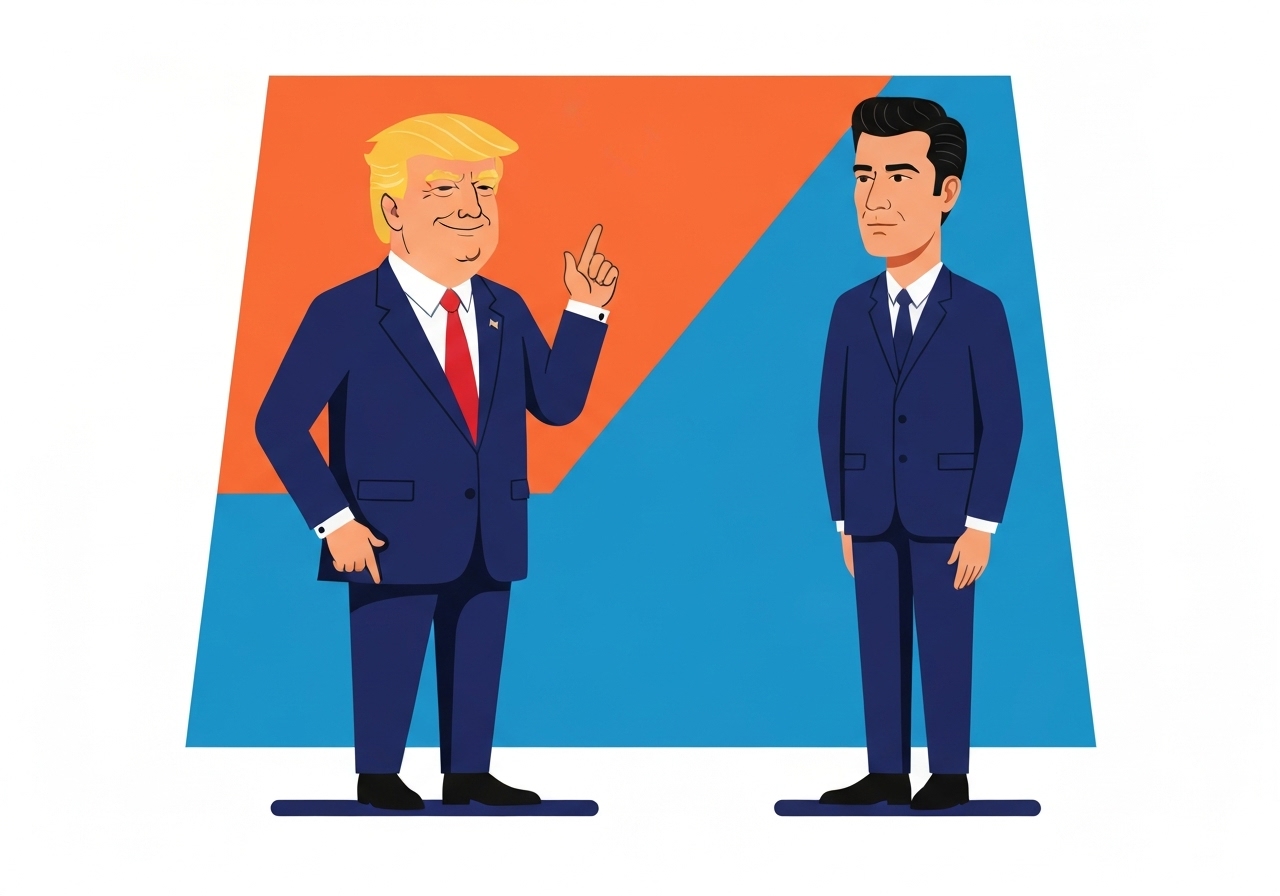
Lead: President Donald Trump announced on Nov. 28, 2025 that he will grant a full pardon to Juan Orlando Hernández, the former Honduran president convicted in Manhattan in 2024 of conspiring to import cocaine into the United States. Hernández, extradited to the U.S. in 2022, was sentenced to 45 years in federal prison after prosecutors said he accepted millions in bribes and collaborated with traffickers. The announcement shocked U.S. law enforcement, Honduran officials and victims groups who had followed the multi‑year investigation and trial. The pardon removes the federal punishment but raises new legal and diplomatic questions between Washington and Tegucigalpa.
Key Takeaways
- Donald Trump announced a ‘full and complete’ pardon for Juan Orlando Hernández on Nov. 28, 2025, reversing a 2024 Manhattan federal conviction.
- Hernández was extradited from Honduras in 2022 and in 2024 was sentenced to 45 years in U.S. federal prison for conspiracy to import cocaine.
- Prosecutors presented evidence that Hernández received campaign payments and bribes from traffickers, including alleged ties to Joaquin ‘El Chapo’ Guzman.
- U.S. law enforcement officials, including an anonymous DEA agent involved in the probe, criticized the pardon as undermining prosecution efforts.
- The U.S. Attorney’s Office for the Southern District of New York declined public comment on the pardon; the original prosecution spanned administrations.
- The pardon could complicate U.S. relations with Honduras and affect ongoing investigations into regional narcotics networks.
Background
Juan Orlando Hernández served as Honduras president from 2014 through 2022, a period marked by persistent allegations of corruption and links between state actors and organized crime. U.S. prosecutors accused him of accepting millions of dollars in campaign contributions and facilitating cocaine shipments to the United States, an allegation he denied at trial. In 2022 Honduran authorities approved his extradition to the United States, and federal prosecutors in Manhattan pursued a sprawling case that culminated in a 2024 jury conviction and a 45‑year sentence.
The case formed part of a broader U.S. effort to target transnational trafficking networks and officials who allegedly enabled them across Central America. Investigators invoked phone records, financial transfers and witness testimony to build their case, framing Hernández as having abused public office to protect and profit from narcotics flows. Observers say the prosecution illustrated growing U.S. willingness to pursue high‑level foreign officials suspected of facilitating drug crimes affecting American communities.
Main Event
On Nov. 28, 2025 President Trump issued a statement announcing he would grant Hernández a full pardon, citing unspecified grounds for clemency. The move immediately prompted reactions from the Southern District of New York, the Drug Enforcement Administration and Honduran political actors. U.S. prosecutors who secured the conviction had characterized Hernández in court as an official who presented himself as an anti‑drug leader while secretly working with traffickers.
During the 2024 trial, Judge P. Kevin Castel described Hernandez in pointed terms, and prosecutors urged a lengthy sentence, arguing that his conduct warranted incapacitation to prevent further harm. The conviction was based on testimony alleging direct payments and operational collaboration with traffickers, including references to payments tied to Joaquin Guzman, the former Sinaloa cartel leader known as ‘El Chapo.’ After conviction, Hernández began serving a federal sentence in the United States pending appeals and other legal processes.
The pardon eliminates the federal sentence but does not erase the trial record or ancillary civil and administrative processes. U.S. law enforcement officials working on related investigations said the decision could limit their leverage over witnesses and defendants linked to Hernández, and it may affect ongoing prosecutions that relied in part on information developed during the Hernández inquiry.
Analysis & Implications
The pardon carries significant domestic and international implications. Domestically, it signals the scope of presidential clemency power and raises questions about how political considerations intersect with criminal accountability for transnational corruption and trafficking. Legal scholars note that while a pardon relieves federal punishment, it does not vacate the underlying conviction unless accompanied by court action, and civil suits or foreign prosecutions can proceed separately.
Internationally, the move risks straining relations with regional partners and law enforcement allies that collaborated on the case. Honduran civil society groups and victims organizations have long sought accountability for violence and trafficking linked to official corruption; the pardon may be viewed as a setback to those demands. Diplomatically, Tegucigalpa’s government could face increased scrutiny at home and abroad as commentators reassess Honduras’s governance reforms and rule of law progress since Hernández’s presidency.
Economically, the pardon may influence foreign aid and security cooperation decisions. U.S. agencies that condition assistance on anti‑corruption benchmarks could face political pressure as lawmakers and administrators weigh the pardon against counter‑narcotics objectives. Prosecutors warn that reducing criminal consequences for high‑level facilitators may weaken deterrence and complicate dismantling entrenched trafficking networks.
Comparison & Data
| Event | Date | Key detail |
|---|---|---|
| Extradition to U.S. | 2022 | Hernández transferred from Honduras to face federal charges |
| Manhattan conviction | 2024 | Guilty of conspiring to import cocaine |
| Federal sentence | 2024 | 45 years imprisonment |
| Pardon announced | Nov. 28, 2025 | Full and complete presidential pardon |
The timeline highlights a three‑year sequence from extradition to pardon. Prosecutors relied on multi‑year investigations that crossed presidential administrations, underscoring how domestic legal decisions can interact with shifting political choices at the executive level. The table is intended to place the pardon in chronological context relative to the legal milestones that preceded it.
Reactions & Quotes
U.S. law enforcement and prosecutors reacted strongly. Before the pardon, the U.S. Attorney’s Office for the Southern District of New York declined to comment publicly on the clemency. An agent involved in the investigation, speaking anonymously, called the decision a political affront to prosecutorial work and described it as ‘lunacy’ in private remarks to reporters.
What prosecutors presented was a sprawling conspiracy tying a head of state to illicit trafficking networks and payments that fueled violence, according to the courtroom record.
Southern District of New York prosecutors (paraphrase)
Honduran political leaders and civil society offered mixed responses. Supporters of Hernández in Honduras hailed the pardon as a rectification of politicized charges, while opponents and victims groups said it undermined accountability for corruption and the social harms linked to the drug trade. International observers noted the potential chilling effect on cross‑border cooperation.
The pardon raises serious questions about accountability and the message sent to victims and investigators in both countries.
Regional anti‑corruption advocate (paraphrase)
Unconfirmed
- Whether private communications or agreements between the Trump administration and Honduran officials preceded the pardon remains unverified.
- Any immediate plan to return Hernández to Honduras or to pursue additional legal actions at the state or international level is not confirmed publicly.
- Claims about the pardon stemming from new exculpatory evidence have not been substantiated by released records as of this writing.
Bottom Line
The presidential pardon of Juan Orlando Hernández resolves the federal sentence imposed by a Manhattan court but does not erase the conviction or broader evidentiary record. The decision reverberates across legal, diplomatic and policy spheres by altering consequences for an individual whose trial exposed alleged ties between state power and transnational trafficking.
Going forward, expect intensified scrutiny from congressional oversight bodies, civil society and international partners about how the United States balances clemency, accountability and cooperation in transnational criminal investigations. The pardon may also reshape incentives for future investigations of high‑level officials linked to drug networks.
Sources
- The New York Times (media report)
- U.S. Attorney’s Office for the Southern District of New York (official department)
- Drug Enforcement Administration (official agency)