
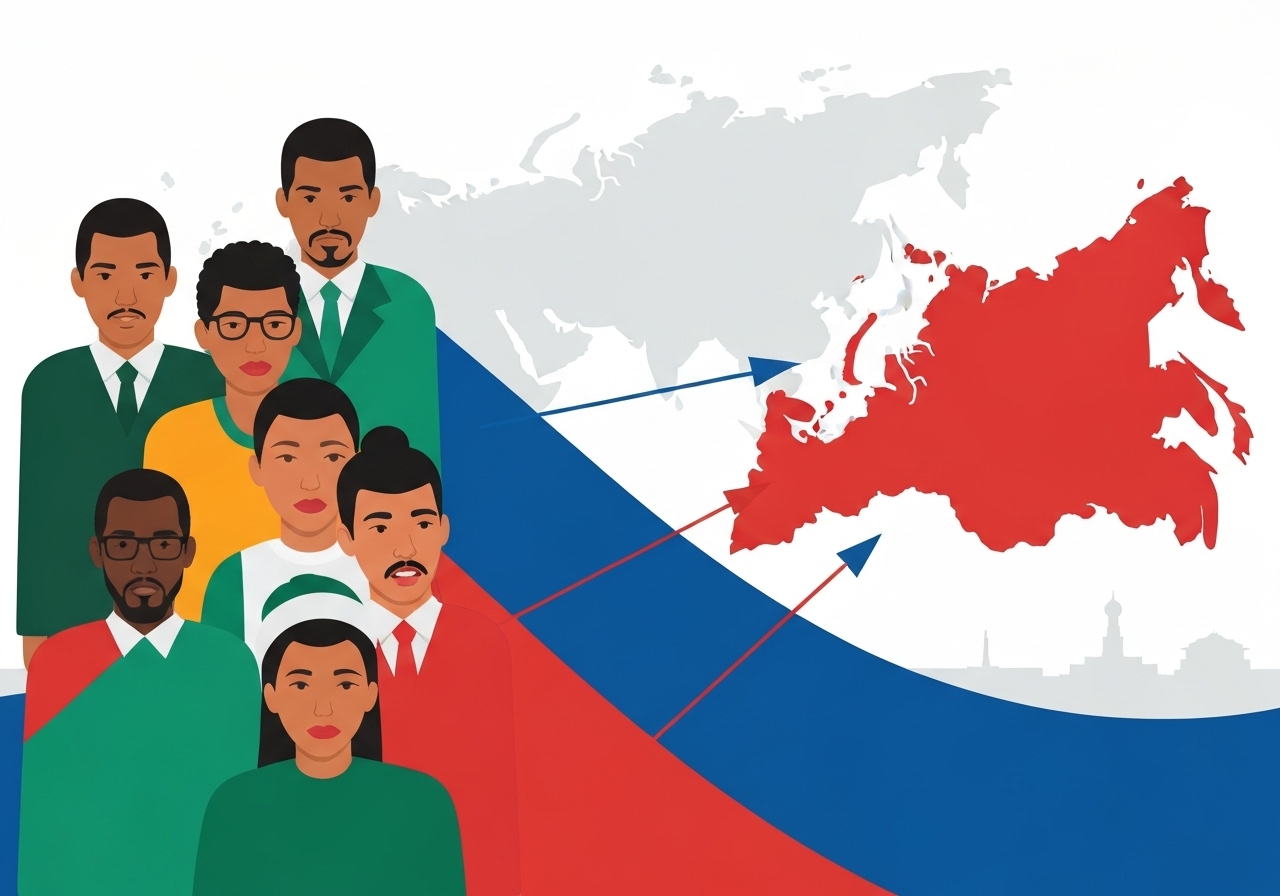
— South African authorities are investigating how at least 17 citizens who answered recruitment calls promising security work instead found themselves on front-line positions supporting Russian forces in Ukraine. A man who traveled in July for what he was told would be a yearlong bodyguard program says he was issued military gear in Rostov and moved into trenches in the Donbas within weeks. President Cyril Ramaphosa’s office says distressed nationals have sought rescue, and an elite police unit has opened inquiries into possible criminal charges tied to Duduzile Zuma-Sambudla, one of the people accused by a family member of arranging the transfers.
Key Takeaways
- At least 17 South Africans sent distress signals this month asking to be evacuated from combat zones in Ukraine, according to the presidency’s office.
- A recruit, aged 46 and a father of three, says he was contacted in July with an offer of bodyguard training in Russia and promised a post with a political party on completion.
- The recruit reports receiving military fatigues and a rifle in Rostov and being deployed to frontline trenches in the Donbas region within six weeks of arrival.
- President Cyril Ramaphosa announced an investigation into how the citizens ended up fighting; an elite police unit is examining potential criminal charges.
- Duduzile Zuma-Sambudla, daughter of former president Jacob Zuma, has been accused in a criminal complaint by a sister of facilitating transfers of the men to Russian forces or mercenaries.
- Allegations have exposed divisions within the Zuma family and prompted scrutiny of cross-border recruitment channels that target vulnerable jobseekers.
Background
South Africa has a long history of political patronage and a crowded labor market, factors that make employment offers from abroad attractive to unemployed citizens. The recruitment described in this case reportedly began with phone calls in July promising legitimate, yearlong protective-security training followed by guaranteed jobs with a party-linked security detail. Jacob Zuma remains a prominent figure in South African politics, and family ties carry weight; an alleged claim that a recruiter identified herself as a Zuma relative appears to have helped persuade applicants to travel.
In recent years, foreign conflicts have occasionally drawn volunteers and mercenary recruits from Africa, sometimes via misleading offers of work or travel that hide combat roles. South Africa’s government has been cautious about citizens participating in overseas wars, balancing legal limits on mercenary activity with concerns for citizens’ safety abroad. The involvement of high-profile political networks would mark an escalation in complexity and potential legal exposure for those accused of arranging transfers.
Main Event
The central account comes from a 46-year-old South African man who says he accepted a July invitation for bodyguard training in Russia after being told the program would lead to secure employment at home. He reports that a woman on the call said she was a daughter of Jacob Zuma and promised work for the family’s party on return. After arriving in Russia, he says trainers gave him fatigues and a rifle and moved him to Rostov, then into the Donbas front.
Within six weeks of arrival the recruit describes sleeping in trenches, operating alongside tanks and under frequent drone and artillery fire, and realizing the promised bodyguard syllabus did not exist. He and others reportedly sent emergency messages to South African authorities this month seeking extraction. The presidency confirmed receipt of requests and acknowledged that an investigation was under way to determine how citizens were recruited and transported.
South African police have opened inquiries, and an elite unit signaled it is examining possible criminal charges that could include fraud, human trafficking, or unlawful recruitment for armed conflict. A sister of Duduzile Zuma-Sambudla filed a formal criminal complaint alleging her sibling handed the men to a Russian mercenary network without their informed consent. Ms. Zuma-Sambudla has been publicly accused in that complaint but has not been convicted; police statements to date describe an active inquiry.
Analysis & Implications
The episode highlights how labor desperation and the promise of counsel or party patronage can be exploited to channel civilians into foreign conflicts. If investigators confirm that recruits were deliberately misled, the case could reveal an organized recruitment pipeline operating across borders, with legal and diplomatic ramifications for South Africa. Criminal charges could range from fraud to trafficking, and prosecutions would depend on proving intent and knowledge by intermediaries.
Politically, the allegations deepen divisions around the Zuma family, whose members retain influence in certain constituencies. Accusations of using party connections to place citizens in harm’s way could damage reputations and trigger intra-party disciplinary actions, while also giving opponents grounds for political criticism. For the government, a transparent, evidence-based investigation will be necessary to preserve public trust and to deter similar schemes.
Internationally, the case raises concerns about how foreign powers and proxy groups recruit fighters from distant countries. If private military contractors or mercenary networks were involved, the episode intersects with broader debates over the regulation of mercenary activity, the security of migration and recruitment channels, and responsibilities of sending states to protect citizens. South Africa may face diplomatic questions from Ukraine, Russia, and partner states about repatriation and accountability.
Comparison & Data
| Metric | Known Value |
|---|---|
| Distress signals sent to presidency (Nov. 2025) | 17 |
| Recruit’s arrival month in Russia | July 2025 |
| Reported frontline region | Donbas (including trenches near Rostov) |
These figures are drawn from the presidency’s statement and firsthand accounts reported to authorities. While limited, the numbers show multiple separate reports within a short window, suggesting either a single recruitment channel affecting a cohort or a coordinated series of transfers. Investigators will need transport records, communications logs, and witness testimony to map the full network.
Reactions & Quotes
‘We had been lied to,’ said one recruit, describing recruitment promises of bodyguard training and a return job that never materialized.
Anonymous recruit
‘The matter is under investigation and we will follow the law,’ said a government official confirming inquiries into how South African citizens ended up in combat zones.
Office of the Presidency (paraphrased)
Unconfirmed
- Whether Ms. Duduzile Zuma-Sambudla personally directed transfers of recruits to a specific Russian mercenary group remains under investigation and has not been independently verified.
- The exact chain of intermediaries, transport companies, or contractors used to move the men into Russia has not been publicly confirmed.
Bottom Line
The case underscores risks faced by unemployed citizens who accept overseas offers tied to political networks or promised patronage. If investigators verify that the men were misled and moved into combat without informed consent, the matter could trigger criminal prosecutions and political fallout for implicated figures.
For South Africa, the priority will be to secure the safe return of those who wish to come home, to hold accountable anyone who profited from deceptive recruitment, and to shore up safeguards that prevent similar exploitation. The investigation’s findings will shape both legal consequences and public trust in political institutions near term.
Sources
- The New York Times — (international news report)
- The Presidency of the Republic of South Africa — (official government statements and releases)
- South African Police Service — (official law enforcement statements)