
Lead
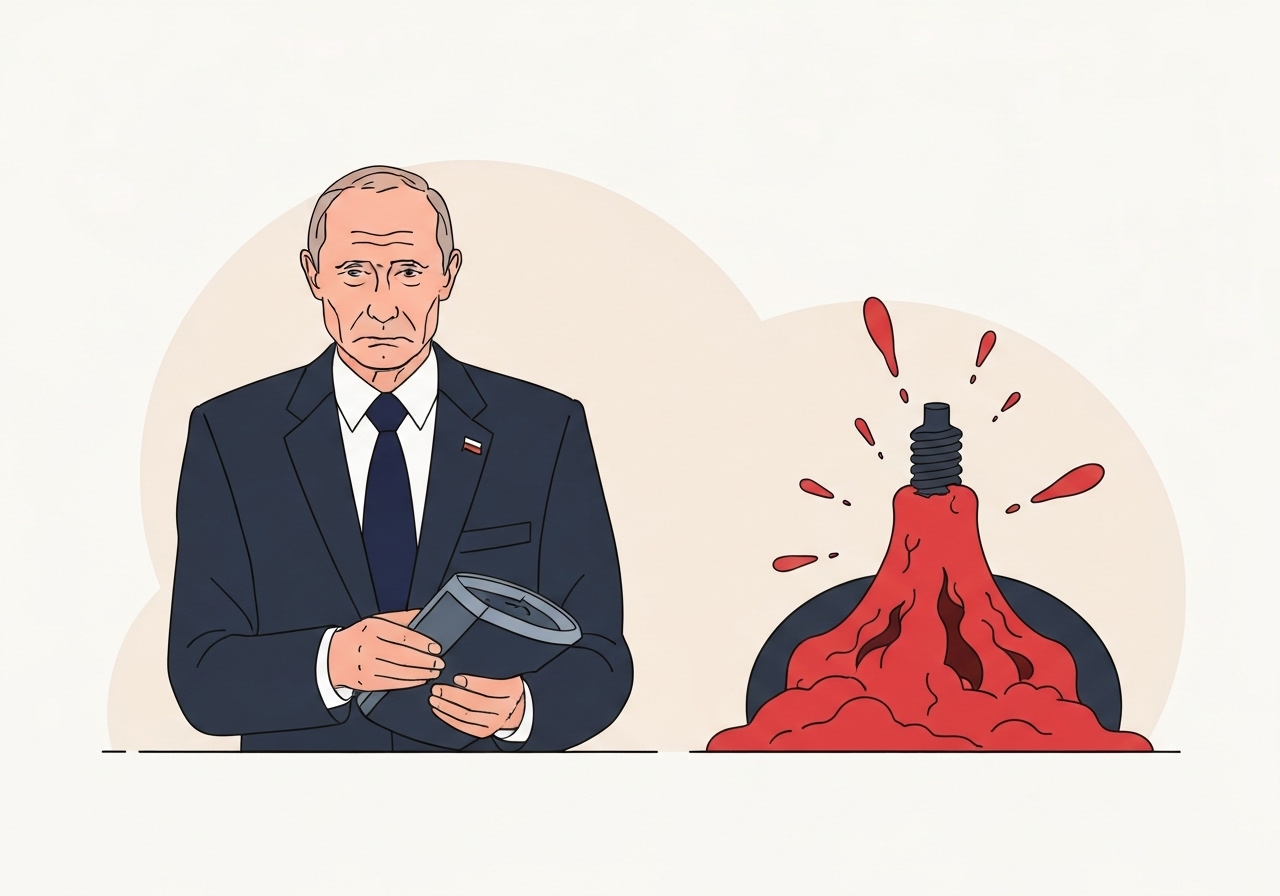
An independent inquiry concluded that Russian President Vladimir Putin was morally responsible for the 2018 Novichok poisoning that led to Dawn Sturgess’s death. Sturgess, a 44-year-old mother of three, died in July 2018 after being exposed in June 2018 to a nerve agent concealed as a perfume bottle. The substance had been discarded following the attempted assassination of former Russian agent Sergei Skripal and his daughter in Salisbury on 4 March 2018. The report found Sturgess’s injuries were unsurvivable from an early stage and urged changes while acknowledging some questions remain.
Key takeaways
- The inquiry chair, Lord Anthony Hughes, concluded the Skripal operation “must have been authorised at the highest level, by President Putin,” and therefore those involved were morally responsible for Sturgess’s death.
- Dawn Sturgess was exposed in June 2018 after her partner, Charlie Rowley, found a discarded container in a charity bin; she died in July 2018, eight days after exposure.
- The original poisoning of Sergei and Yulia Skripal occurred on 4 March 2018 in central Salisbury; both Skripals survived and are believed to have recovered.
- The report states Sturgess sustained an unsurvivable brain injury and that no medical treatment available at the time could have saved her life.
- Following publication, the UK government sanctioned Russia’s GRU in full as part of a wider response; Prime Minister Keir Starmer framed the steps as defending European security.
- Wiltshire Police apologised during late-2024 hearings for wrongly referring to Sturgess as a “well-known drug user,” and the inquiry identified shortcomings in record-keeping and case-management for people with sensitive backgrounds.
Background
On 4 March 2018, former Russian double agent Sergei Skripal and his daughter Yulia were found seriously ill in Salisbury after exposure to a military-grade nerve agent known as Novichok. The attack triggered a major domestic investigation and a global diplomatic backlash, with UK authorities and allies pointing to Russian state involvement while Moscow denied responsibility. In the months that followed investigators traced a separate exposure incident: in June 2018 a member of the public found a contaminated item in a public bin, which later led to the poisoning of Dawn Sturgess.
The inquiry examined both the operational attack in March and the later civilian exposure. It reviewed public testimony and closed sessions for sensitive intelligence material, aiming to determine who authorised the operation, how the toxic material left the original attack site, and whether public authorities could have prevented the later harm. The case highlighted tensions between public communication, operational secrecy, and the management of individuals with potentially sensitive backgrounds living in the UK.
Main event
The inquiry held weeks of public hearings plus closed sessions for classified evidence before issuing a final report. Lord Anthony Hughes set out that the assassination attempt on the Skripals was planned as a public demonstration of Russian state power and concluded it required authorisation at the highest level. He explicitly linked those who organised and carried out the Skripal attack to moral responsibility for the later death of Dawn Sturgess.
Charlie Rowley, Sturgess’s partner, found a container in a charity bin that had been discarded after the earlier Salisbury incident; he later handled and passed the substance on, unwittingly exposing Sturgess. Medical evidence presented to the inquiry described Sturgess’s brain damage as unsurvivable; the report judged clinical care appropriate and concluded no treatment could have reversed the injury.
The inquiry also assessed the emergency response and public messaging. Early decisions not to warn the public against handling litter were justified in part by concerns about creating needless alarm, but the report notes that a public warning was later issued after Sturgess’s death. Wiltshire Police’s record-keeping and failure to carry out regular written risk assessments for Sergei Skripal were identified as shortcomings, though the inquiry found additional security measures would likely not have changed the outcome.
Analysis & implications
The inquiry’s finding that the operation was authorised at the highest level has immediate diplomatic weight: attributing moral responsibility to a head of state intensifies existing tensions between the UK and Russia. That conclusion provides political cover for further punitive measures such as the GRU sanctions the UK announced after the report’s release. Such sanctions are intended to signal that attacks on foreign soil have direct consequences for implicated institutions.
Domestically, the report focuses attention on how national and local agencies handle information about relocated former intelligence assets and others with sensitive pasts. The inquiry identified weaknesses in written assessments and information flows to senior officers; addressing those gaps will require policy changes and clearer protocols between national security bodies and local police forces. The report stops short of assigning operational blame for the Skripals’ management but recommends procedural improvements.
Practically, medical and emergency services are unlikely to see large changes in clinical protocols because the inquiry concluded that different clinical actions would not have saved Sturgess. The bigger operational lessons concern hazard control and how lethal agents can persist in the environment, underscoring the need for rapid forensic containment and targeted public warnings when contamination cannot be excluded.
Comparison & data
| Date | Event |
|---|---|
| 4 March 2018 | Sergei and Yulia Skripal poisoned in Salisbury; both hospitalised and later recovered |
| June 2018 | Charlie Rowley finds contaminated container in a charity bin; Dawn Sturgess exposed |
| July 2018 | Dawn Sturgess dies eight days after confirmed exposure |
The timeline above highlights how the initial targeted attack in March left persistent contamination that later reached a member of the public. The interval between the first incident and the civilian exposure underlines the risk that hazardous materials may remain undetected for weeks. That persistence is a central driver behind the inquiry’s focus on containment, evidence-management and public awareness.
Reactions & quotes
UK political leaders and the Sturgess family reacted strongly to the report. Prime Minister Keir Starmer used the findings to justify further sanctions and to frame the events as evidence of a Kremlin willingness to place citizens at risk.
“The UK will always stand up to Putin’s brutal regime and call out his murderous machine for what it is.”
Prime Minister Keir Starmer (quoted at report release)
Lord Hughes summarised the inquiry’s factual and moral conclusions in court and in the published report, emphasising the connection between the Skripal operation and Sturgess’s death.
“I have concluded that the operation to assassinate Sergei Skripal must have been authorised at the highest level, by President Putin.”
Lord Anthony Hughes (inquiry chair)
The Sturgess family welcomed the answers but said they still had unresolved questions about the wider circumstances and the lack of stronger recommendations.
“We can have Dawn back now… we can finally put her to peace.”
Family member of Dawn Sturgess
Terms & context
Novichok refers to a class of nerve agents developed by Soviet-era programmes; they are military-grade organophosphate compounds capable of causing rapid, severe neurological damage. The GRU is Russia’s Main Directorate of Military Intelligence, an agency London accused of dispatching operatives to carry out the Skripal attack. “Moral responsibility” in this inquiry context means the chair concluded that those who planned and directed the operation bear ethical culpability for consequences that followed, even if criminal prosecutions of named individuals may remain impractical due to jurisdictional and evidentiary limitations. The inquiry balanced public transparency with the need to protect intelligence sources, holding closed sessions where needed to examine classified material.
Unconfirmed
- No publicly disclosed document or order has been produced in court proving a written authorisation from President Putin; the inquiry’s conclusion rests on the totality of intelligence reviewed in closed and open hearings.
- The exact identities and current locations of the operatives implicated in the March 2018 attack remain subject to intelligence assessments and are not exhaustively detailed in the public report.
- The inquiry did not find evidence that a different sequence of emergency messages would have changed Sturgess’s clinical outcome; alternative operational choices remain debated among commentators.
Bottom line
The inquiry links a state-level assassination attempt in March 2018 to a later civilian death and holds the highest level of the Russian state morally responsible for the chain of events that led to Dawn Sturgess’s exposure and death in July 2018. Its factual findings underpin political responses, such as sanctions against the GRU, and place renewed scrutiny on how police and security services manage information about relocated individuals with sensitive pasts.
While the report affirms that no medical treatment at the time could have saved Sturgess, it presses authorities to tighten procedures for contamination containment and interagency communication. The publication will shape diplomatic relations, domestic policy reviews, and public debates about accountability for cross-border attacks that leave hazardous remnants on civilian environments.
Sources
- BBC News — Media (news report covering the inquiry and reactions)