
Lead
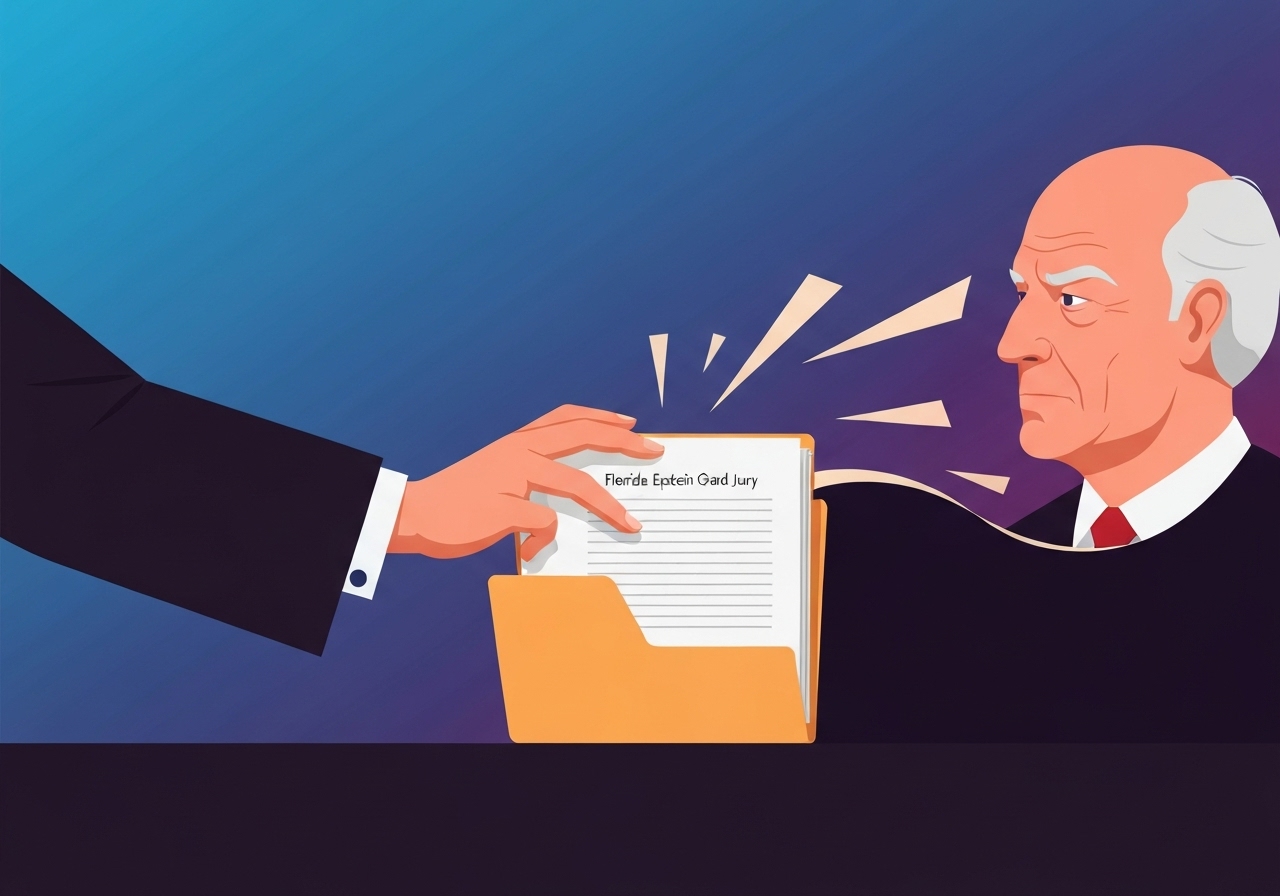
On Dec. 5, 2025, a federal judge in Florida authorized the unsealing process for grand jury testimony from the state’s 2005 investigation into Jeffrey Epstein. The order follows legislation passed in November 2025 that directed the Justice Department to disclose its files on Epstein and Ghislaine Maxwell within 30 days. Judge Rodney Smith’s brief order said the statute permitted courts to unseal grand jury materials, while preserving routine redactions for victims and other personal data. The ruling begins formal judicial review of material long sought by victims, reporters and lawmakers.
Key Takeaways
- A federal judge in the Southern District of Florida issued the order on Dec. 5, 2025, allowing the release process for grand jury documents tied to Jeffrey Epstein’s 2005 Florida probe.
- Congress passed a law in November 2025 requiring the Justice Department to disclose its Epstein-related files within 30 days, creating a statutory deadline of Dec. 19, 2025, for the department’s production.
- Judge Rodney Smith cited statutory language mandating release of “the unclassified records, documents, communications and investigative materials that relate to Jeffrey Epstein and Ghislaine Maxwell.”
- The Florida inquiry began in 2005 and led to a 2008 state plea in which Epstein pleaded guilty to soliciting prostitution — a plea widely criticized as lenient.
- After the Florida case, Epstein was later indicted on federal sex-trafficking charges in New York and died in custody in 2019 while awaiting trial.
- Releasing grand jury material still requires judicial approval and will include redactions to protect victims’ identities and other sensitive information.
- The order launches a judicial review and redaction process, but further litigation or appeals remain possible before full public disclosure.
Background
The Florida investigation into Jeffrey Epstein opened in 2005 amid allegations that he had sexually abused underage girls in Palm Beach. That state probe eventually concluded with a 2008 plea agreement under which Epstein pleaded guilty to state charges of soliciting prostitution and served a jail sentence that many observers described as disproportionately light. The 2008 resolution has been the subject of persistent criticism from victims, legal advocates and some law enforcement officials, who argue the deal shielded Mr. Epstein from broader federal exposure for years.
In 2019 federal prosecutors in New York brought a new, broader indictment charging Epstein with sex trafficking; he died by suicide in federal custody while awaiting trial. The subsequent investigations and civil suits generated a complex record spread across state and federal files, some of which were sealed or otherwise unavailable to the public. Legislators pushed for broader disclosure in 2025, citing victims’ rights and public interest in the conduct of past prosecutorial decisions.
Main Event
On Dec. 5, 2025, Judge Rodney Smith of the U.S. District Court for the Southern District of Florida issued a concise order confirming that the recently enacted statute permits the court to unseal grand jury materials related to Epstein. The order referenced the law signed by President Donald J. Trump in November 2025, which instructed the Justice Department to produce all relevant unclassified files within 30 days. The judge’s decision does not instantly publish the files; it authorizes the procedural steps required to consider unsealing grand jury testimony.
The Justice Department must still submit materials for judicial review, propose redactions to protect victim privacy and sensitive investigative techniques, and obtain specific court approvals for each document. Prosecutors typically consult with victims’ counsel to identify identifying information that requires redaction under federal law and victims’ privacy protections. The timeline set by Congress — with a production target of Dec. 19, 2025 — compresses the usual schedule and may prompt expedited filings from the government.
Officials involved in managing the release have signaled they will move cautiously to balance transparency with legal obligations to protect witnesses and ongoing investigative equities. Court clerks and counsel will likely create redacted production sets and submit them to Judge Smith for review. Any disputes over particular redactions or categories of material could prompt motion practice that delays public availability beyond the statutory target date.
Analysis & Implications
The order represents a significant statutory intervention into long-sealed investigative records, reflecting growing political and public pressure to open the Epstein file. For victims and their advocates, the disclosure promises new documentary context about law enforcement decisions in the mid-2000s and the extent of investigative leads that were pursued or left unexplored. Those documents could reshape public understanding of prosecutorial choices and institutional decision-making at the time.
Legally, the ruling tests the boundaries between Congress’s power to direct disclosure of federal records and the judiciary’s role in safeguarding grand jury secrecy. Federal rules generally protect grand jury material, but the new statute created a specific exception for Epstein-related documents; Judge Smith’s order effectively accepts that statutory predicate while retaining the court’s oversight over redactions and procedure. Future litigation could examine whether the statute or its implementation conflicts with long-standing grand jury protections.
The political consequences extend beyond legal doctrine. The law’s passage and the judge’s order follow years of high-profile reporting and litigation that turned Epstein’s case into a national scandal. Releasing these materials may fuel additional congressional oversight, civil litigation and public inquiries, and could influence how prosecutors handle sealed material in future sensitive investigations. Internationally, disclosure may also prompt renewed scrutiny of associates and transactions referenced in the files.
Comparison & Data
| Year | Event |
|---|---|
| 2005 | Florida investigation into allegations of abuse begins |
| 2008 | Epstein pleads guilty to state solicitation charges in Florida |
| 2019 | Federal indictment in New York; Epstein dies in custody |
| Nov. 2025 | Congress passes law ordering DOJ to release Epstein-related files within 30 days |
| Dec. 5, 2025 | Judge Rodney Smith approves unsealing process for Florida grand jury documents |
| Dec. 19, 2025 | Statutory production deadline for Justice Department files |
The table above summarizes the key milestones preserved in the public record and referenced in the court order. While past disclosures have produced redacted documents and limited transcripts, the statute creates a new, comprehensive production requirement for unclassified material in government custody. Analysts caution that the existence of a production deadline does not guarantee instant public access because judicial redaction review and potential litigation can extend timelines.
Reactions & Quotes
The court’s order acknowledges congressional direction while preserving judicial supervision of grand jury material.
Judge Rodney Smith (court order)
In context: Judge Smith’s brief order framed the statute as the legal basis for allowing unsealing motions to proceed, but it does not itself disclose specific documents. The judge emphasized that the statute authorized courts to act while ordinary redaction rules remain in effect.
We will comply with the statute while protecting victims’ privacy and ongoing investigative equities, as required by law.
Justice Department spokesperson
In context: A Justice Department representative indicated the department intends to follow the new statutory timeline but reiterated that redaction and legal review processes are necessary steps before public release. The department’s filings to the court will outline proposed redactions and production sets.
Survivors have long sought transparency about what investigators knew; these documents could provide critical answers.
Attorney for Epstein accusers (unnamed)
In context: Attorneys for some accusers have urged rapid but careful disclosure, emphasizing the importance of protecting victim identities while making investigative records available for public scrutiny. Their remarks reflect persistent demands for accountability linked to the 2008 plea and subsequent handling of the case.
Unconfirmed
- Exact scope of documents the Justice Department will submit for judicial review is not yet public; the full inventory remains to be disclosed.
- It is unclear how many documents will be deemed unclassified and thus eligible for release under the statute.
- Possible litigation over specific redactions or categories of material could delay public access beyond the statutory deadline.
Bottom Line
The Dec. 5, 2025 order by Judge Rodney Smith activates a statutory process that could make long-sealed grand jury testimony from the 2005 Florida investigation into Jeffrey Epstein available to the public. While the law sets a production timetable, substantial judicial review and redaction work remain before documents are published. Victims’ advocates view disclosure as a step toward transparency and accountability, but the pace and completeness of release will depend on how courts and the Justice Department navigate privacy and legal constraints.
Readers should expect a phased process: government submissions, court review, redactions and potential appeals. The coming weeks may yield new disclosures or legal challenges that further define what the public will ultimately see and what these records reveal about past investigative choices.