
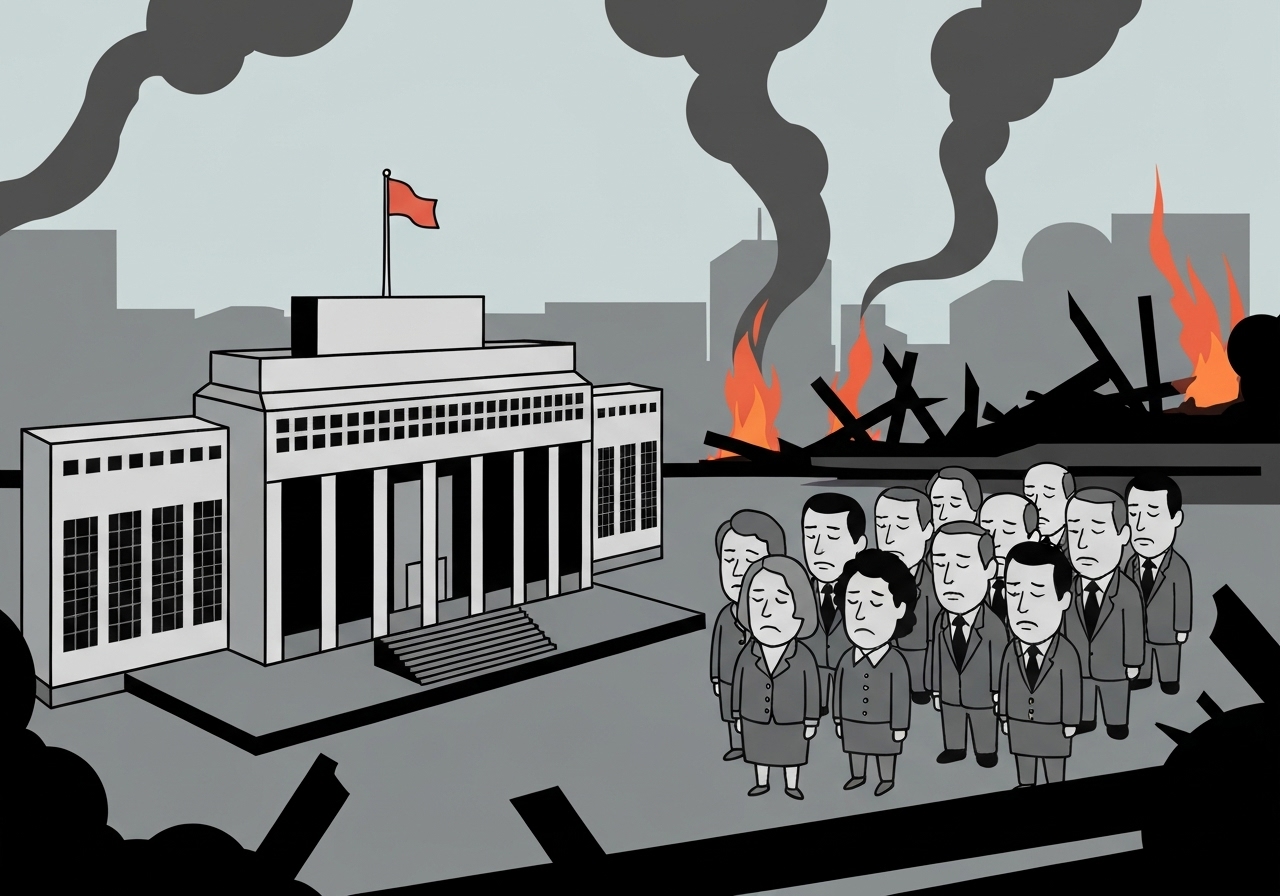
Hong Kong residents are voting in a Legislative Council (LegCo) election held days after the 26 November Tai Po blaze that has killed 159 people. The ballot, contested by 161 vetted candidates for 90 seats, is framed by authorities as essential to recovery and governance even as many mourn and question building safety. The government has run a high-profile mobilisation campaign — offering small rewards and public events — to lift turnout after a record low in 2021. Officials say the poll will help secure lawmakers to support reconstruction and reform.
Key Takeaways
- Voting is underway for 90 LegCo seats with 161 candidates on the ballot; all candidates underwent vetting introduced since 2021.
- The election coincides with mourning for the 26 November Tai Po fire, which has left 159 confirmed dead and may increase as recovery continues.
- Authorities have arrested 13 people on suspicion of manslaughter in connection with the blaze and ordered an independent inquiry into its causes.
- The government launched a wide turnout campaign — posters, vouchers, free entry to pools and museums, carnivals and a televised show — after 30% turnout in 2021.
- Political campaigning was paused after the fire; some government-organised events resumed while privately organised rallies were cancelled.
- Police detained at least three people in recent days including a petitioner and a former district councillor; one detention was for alleged sedition.
- About a quarter of incumbent lawmakers are stepping down this year, with reports that some retirements followed pressure and an informal age cutoff.
Background
Hong Kong’s legislative system was overhauled in 2021 after years of large-scale street protests. Beijing-directed changes tightened candidate vetting to ensure “patriots” hold office, narrowing the field of political competition and altering the city’s electoral dynamics. Critics say those reforms reduced pluralism and contributed to disengagement among pro-democracy voters; supporters argue the changes restored stability.
The Tai Po fire on 26 November — the deadliest in the city in more than 70 years — has deepened public scrutiny of building safety, renovation standards and emergency response. Authorities found flammable scaffolding mesh and other combustible materials on the exterior of the affected blocks and have ordered the removal of similar mesh used in renovations city-wide. The tragedy has prompted rapid government relief and rehousing measures while also spurring calls for an independent investigation.
Main Event
Polling stations opened amid visible government promotion: posters, mascots, and a campaign adapted from a 2001 Cantopop tune to encourage turnout. Voters receive a “thank you card” after voting that can be exchanged for vouchers, services and discounts at participating businesses; municipalities also offered free access to some public facilities on polling day. The campaign is designed to produce a celebratory atmosphere after 2021’s low participation.
Political activity was disrupted by the fire. Officially organised debate forums resumed after a brief pause, but many privately planned campaign events and neighbourhood carnivals were cancelled. Chief Executive John Lee insisted the election proceed to provide new lawmakers who can help with reconstruction and reforms, saying the city must “move forward” even while grieving.
Law enforcement and investigators have been active in the fire’s aftermath. Police arrested 13 suspects on suspicion of manslaughter and announced the formation of an independent committee to probe causes. Investigators identified non-compliant scaffolding mesh that failed flame-retardant standards and noted that external combustible material accelerated the blaze’s spread.
Analysis & Implications
The election’s timing — so soon after a large-scale urban tragedy — sharpens questions about governance and public confidence. For many residents, the fire has foregrounded long-standing issues with ageing housing stock and renovation oversight; how authorities handle reconstruction and regulatory fixes will influence public sentiment beyond a single vote. A strong turnout could be interpreted by the government and Beijing as acceptance of the post‑2021 political architecture, while a weak turnout may be read as continuing apathy or unease.
Mobilising pro-establishment voters is not guaranteed. Some will credit the rapid rehousing and aid as evidence of effective administration, but others may be disillusioned by perceived regulatory failures exposed by the blaze. The net effect on turnout is therefore uncertain; election officials are explicitly promoting festive incentives to counter voter abstention that marked the 2021 contest.
International observers will watch whether the election produces substantive legislative action on building safety, fire standards and social housing support. Even with a legislature shaped by vetting, policy attention and budget allocations can still address technical and administrative failings identified in the Tai Po tragedy. However, structural political constraints will determine the scope and pace of any reforms.
Comparison & Data
| Measure | Current/election day | Context / past |
|---|---|---|
| Seats contested | 90 | LegCo total seats |
| Candidates | 161 | All vetted under post‑2021 rules |
| Tai Po fire deaths | 159 (as of counting) | Deadliest HK blaze in 70+ years |
| Arrests linked to fire | 13 (suspected manslaughter) | Investigations ongoing |
| 2021 turnout | 30% | Record low after electoral overhaul |
The table highlights the immediate numerical context for the vote and the disaster. The combination of a high-profile tragedy and a still‑recent overhaul of electoral rules makes simple turnout comparisons misleading: civic incentives and public grief both push in different directions. Analysts will compare today’s turnout to 2021 as a short-term metric of legitimacy but should also track subsequent legislative activity on safety reforms.
Reactions & Quotes
Officials framed the election drive as both civic and restorative. Chief Secretary Eric Chan described the atmosphere the campaign seeks to create as aimed at “a happy and festive mood” and to help residents recognise the election’s importance.
“We must move forward before we can turn our grief into strength.”
John Lee, Chief Executive of Hong Kong
Legitimacy assessments varied among experts. John P. Burns, emeritus professor and Chinese politics specialist at the University of Hong Kong, said many pro‑democracy supporters remain reluctant to participate after 2021’s changes and expected turnout pressure from the recent tragedy.
“I think they won’t be convinced to participate this time, just as they mostly stayed away in 2021.”
John P. Burns, University of Hong Kong (emeritus)
Pro‑Beijing commentators urged voting as a signal of unity around reconstruction. One commentary reposted by the national security office urged residents that if they “truly love Hong Kong, you should sincerely vote,” framing participation as support for recovery efforts.
Unconfirmed
- Reports that Beijing directly pressured multiple veteran lawmakers to retire and set an informal age limit are based on local media accounts and remain not independently verified by official channels.
- It is unclear whether the official death toll from the Tai Po fire will rise further; recovery operations are ongoing and authorities have warned the figure could change.
Bottom Line
Hong Kong’s LegCo vote is proceeding under the shadow of a devastating November fire that killed 159 people and exposed vulnerabilities in building renovation regulation. The government has coupled a high‑visibility turnout drive with rapid relief measures, seeking both to stabilise public life and to secure a legislature positioned to manage recovery. How voters respond — whether by showing up in significantly larger numbers or by staying away again — will be interpreted domestically and abroad as a signal about the post‑2021 political order’s acceptance.
Beyond the ballot, meaningful public confidence will depend on transparent investigation outcomes and concrete safety reforms. The independent inquiry, prosecution of suspects, and steps to remove non‑compliant materials are immediate tests of accountability; sustained policy change on housing and renovation standards will determine whether the tragedy leads to lasting improvements.