
Lead
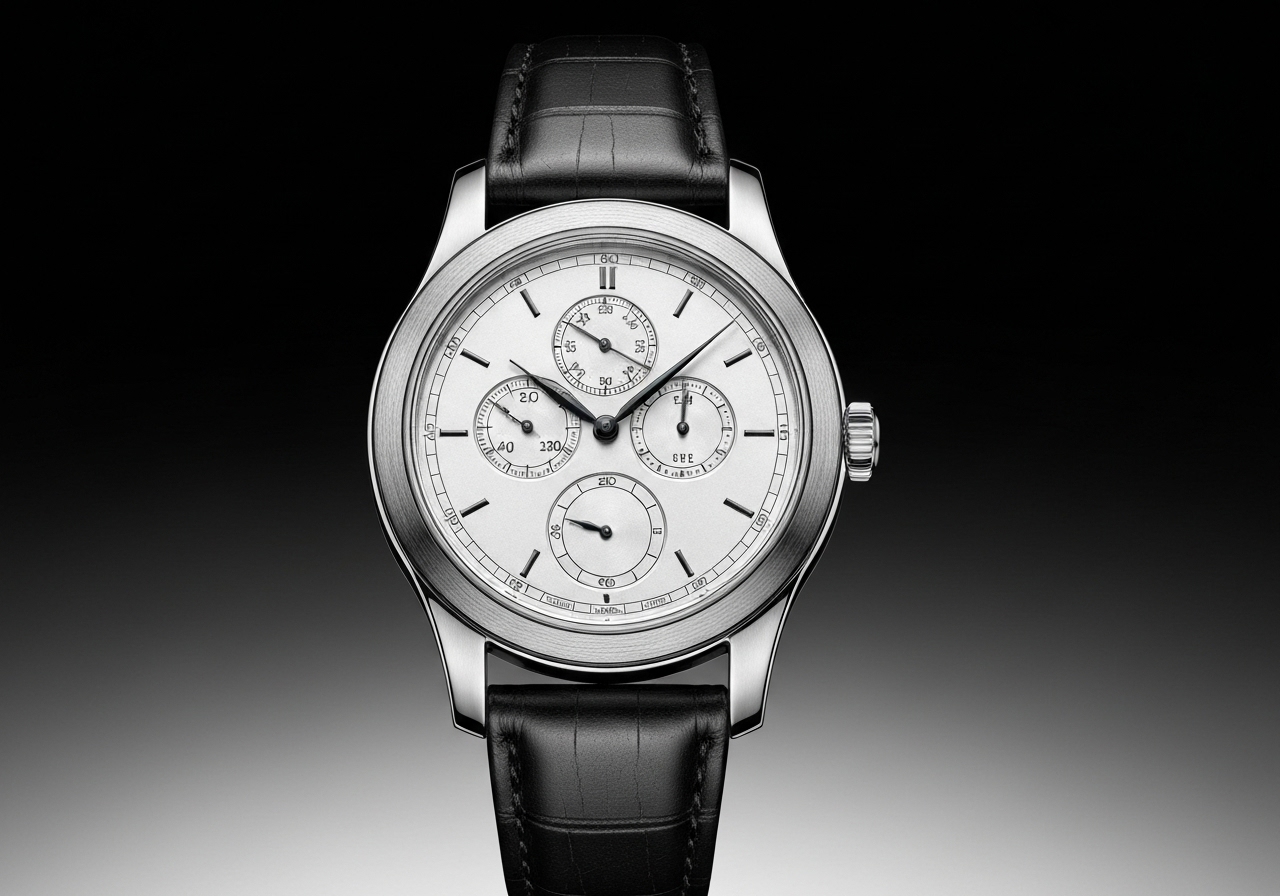
On Dec. 6, 2025, at a Phillips auction on Park Avenue, a bespoke F.P. Journe wristwatch co-designed by filmmaker Francis Ford Coppola sold in a heated bidding contest for nearly $11 million. The timepiece, known as the FFC and created in 2014, is a skeletonized design with a distinctive gloved-hand display that changes with the hour. The sale placed the watch among the six most expensive ever sold at auction and stood out as the only non-Patek Philippe or Rolex on that list.
Key Takeaways
- The F.P. Journe “FFC,” designed with Francis Ford Coppola in 2014, fetched nearly $11 million at Phillips on Dec. 6, 2025.
- The auction took place on Park Avenue and produced frenzied bidding that drove the price into near-record territory for wristwatches.
- The sale ranks the watch as the sixth-most-expensive timepiece ever sold at auction and is the only one in that top tier not manufactured by Patek Philippe or Rolex.
- The FFC features an openwork (skeleton) dial and a central gloved-hand indication whose fingers appear and disappear by hour.
- Coppola had publicly said in March 2025 he was nearly broke after funding the film Megalopolis and later consigned multiple watches to Phillips to raise funds.
- Phillips, the consigning auction house, handled the sale; the buyer’s identity was not disclosed at the time of sale.
Background
Francis Ford Coppola, the director best known for The Godfather trilogy, has long been an active collector of fine watches and other luxury objects. In 2014 he collaborated with F.P. Journe to produce the FFC model, a limited and highly idiosyncratic piece that merged traditional haute horlogerie with distinctive aesthetic flourishes. In public comments in March 2025, Coppola said he had spent millions to help finance his film Megalopolis and described his personal finances as strained.
The high-end watch auction market is dominated by established names—most notably Patek Philippe and Rolex—whose historical sales routinely top multimillion-dollar thresholds. Independent watchmakers such as F.P. Journe occupy a different niche: producing smaller runs of technically ambitious pieces that attract intense interest among specialist collectors. Auction houses including Phillips have become central marketplaces where provenance, rarity and celebrity ownership can combine to lift realized prices well above intrinsic manufacture values.
Main Event
The Phillips sale on Park Avenue unfolded amid competitive and rapid bidding that pushed the FFC’s price into the upper millions. The lot carried clear provenance as a Coppola-owned piece and the catalog emphasized the 2014 collaboration between the director and F.P. Journe. Bidders responded to that provenance and to the watch’s unusual openwork construction.
On the dial, the watch displays its mechanism openly—often called a skeleton dial—and centers a gloved hand whose fingers move in configurations tied to the hour indication. That singular visual motif divided opinion among dealers and collectors; some viewed the feature as a bold design statement, others as polarizing. Nonetheless, the market treated it as a rare example of an auteur-led watch project.
At the close of the lot the hammer price registered at nearly $11 million, elevating the FFC into the rarefied group of watches that have crossed the multi‑million mark in public auction. Phillips recorded the transaction and the sale was widely reported; detailed buyer-side information remained private following the sale, as is common for high-value lots.
Analysis & Implications
The result underscores how provenance and narrative increasingly shape luxury auction outcomes. While technical pedigree and brand reputation remain fundamental, the combination of a celebrated owner, a distinctive design, and limited supply can propel objects to prices that exceed expectations. In this case, Coppola’s name and the story of a hands-on collaboration amplified collector demand.
Economically, the sale illustrates continued strength at the top end of the secondary watch market, even for pieces outside the traditional Patek and Rolex stratum. Auctions remain an arena where price discovery is influenced by competitive collectors, institutional buyers and, occasionally, speculators—all of whom respond to rarity signals and media attention. That dynamic can produce outsized results that do not always reflect long-term retail or resale norms.
For Coppola personally, the sale may serve practical as well as symbolic purposes. Public remarks earlier in 2025 made clear he was monetizing parts of his collection after investing personal funds in Megalopolis. While this single transaction will not resolve broader financing needs, it demonstrates a tangible route to liquidity through high-end consignments. For the wider collecting community, the transaction may prompt renewed interest in independent ateliers like F.P. Journe, while also inviting debate about the role of celebrity provenance in valuation.
Comparison & Data
| Attribute | Detail |
|---|---|
| Model | F.P. Journe “FFC” (designed 2014) |
| Auction House | Phillips (Park Avenue sale) |
| Auction Date | Dec. 6, 2025 |
| Sale Price | Nearly $11 million |
| Auction Rank | Sixth-most-expensive watch sold at auction (only non-Patek/Rolex in that list) |
The table above summarizes the key transactional facts. Contextually, the top ranks of auction watch sales are typically filled by Patek Philippe and Rolex lots; the FFC’s presence in the top six is notable because it breaks that brand pattern. Market watchers will track whether this sale signals a broader reappraisal of independent high-horology pieces or remains an outlier driven by celebrity provenance.
Reactions & Quotes
“To keep the ship afloat, I sold several watches,”
Francis Ford Coppola (public comments, March 2025)
Context: Coppola’s remark was widely reported earlier in 2025 as he discussed personal financing for Megalopolis and his decision to consign pieces to auction.
“It’s a goofy design,”
Unnamed dealer
Context: The remark reflects that some industry figures find the FFC visually polarizing; others embraced the watch’s uniqueness, contributing to vigorous bidding at Phillips.
Unconfirmed
- The identity of the buyer has not been publicly disclosed and remains unconfirmed.
- The precise hammer price versus final buyer’s premium split and net proceeds to the consignor were not published at the time of reporting.
- Whether sale proceeds will be applied directly to Coppola’s Megalopolis financing has not been independently confirmed.
Bottom Line
The Phillips sale of the F.P. Journe FFC on Dec. 6, 2025 for nearly $11 million highlights how rarity, design singularity and celebrity ownership can converge to produce exceptional auction results. While the watch’s design divided opinion, the market response was unequivocal: collectors paid a premium for provenance and distinctiveness.
Looking ahead, the transaction will likely be cited in debates about valuation drivers in the secondary watch market and could fuel interest in independent watchmakers. Observers should distinguish between a one-off price driven by unique factors and broader, sustainable market shifts; follow-up sales and market behavior over 12–24 months will offer clearer evidence.
Sources
- The New York Times (media reporting)