
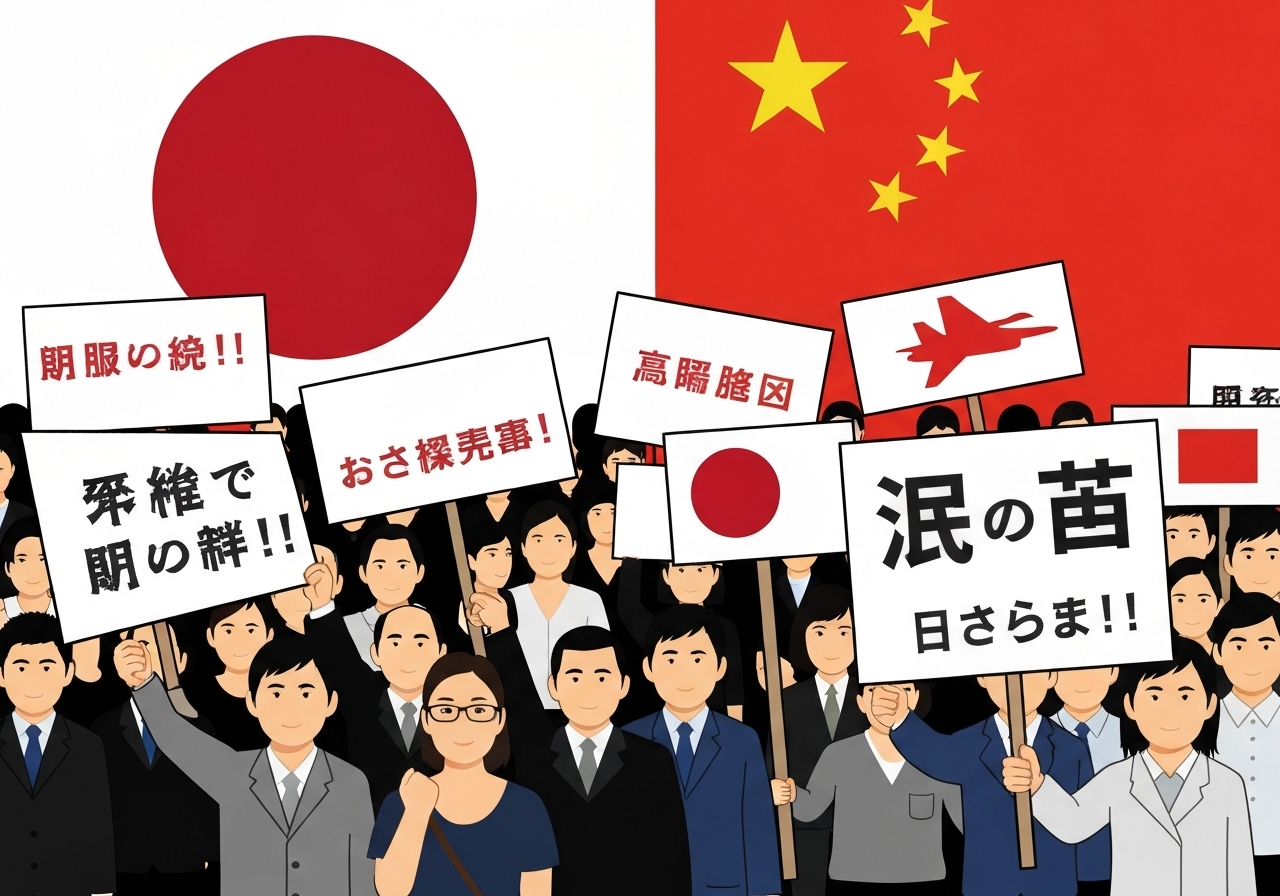
Japan Protests After Chinese Jet Locks Radar on Japanese Fighters
Lead: On December 6, 2025, Japan lodged a formal protest with China after a Chinese J-15 fighter launched from the carrier Liaoning intermittently locked its radar onto Japanese F-15 jets near Okinawa. The Defense Ministry reported two radar-lock episodes — about three minutes in the late afternoon and roughly 30 minutes in the evening — while Japanese fighters scrambled but reported no airspace breach, injuries, or damage. Defense Minister Shinjiro Koizumi called the behavior a dangerous act that exceeded safe operational norms and demanded preventive measures. China issued no immediate comment on Sunday, though a Foreign Ministry spokesperson had said days earlier that Chinese naval activity complies with international law.
Key Takeaways
- Incident date and location: December 6, 2025, near the southern island chain of Okinawa, including the Miyako corridor.
- Platforms involved: Chinese J-15 fighters operating from the carrier Liaoning and Japanese F-15 interceptors scrambled by the Japan Air Self-Defense Force.
- Radar lock details: Two separate episodes recorded by Japan — ~3 minutes in late afternoon and ~30 minutes in the evening — detected by different Japanese fighters.
- Operational outcome: No entry into Japanese sovereign airspace was reported; no injuries or material damage were recorded.
- Diplomatic response: Japan lodged an official protest; Defense Minister Shinjiro Koizumi demanded strict preventive steps from China.
- Contextual tensions: The incident follows heightened friction after Japanese Prime Minister Sanae Takaichi’s early-November remarks about potential Japanese involvement if China acted against Taiwan.
- Regional pattern: The same day, the Philippine coast guard reported China fired three flares at a Philippines fisheries patrol plane in the South China Sea, underscoring broader maritime-air tensions.
Background
Relations between Tokyo and Beijing have been strained in recent weeks, with public rhetoric and military activity on both sides increasing the risk of miscalculation. In early November 2025, Prime Minister Sanae Takaichi said Japan’s forces could become involved should China take military action against Taiwan; Beijing publicly reacted with anger to that statement and subsequent diplomatic exchanges. The Liaoning carrier group has been conducting flight operations in the western Pacific in recent days, including transits between the main Okinawa island and nearby Miyako island, a route that places aircraft close to lines routinely patrolled by Japan.
Historically, incidents involving sensor targeting and close approaches are not new in the East China Sea and South China Sea; Japan and China have seen episodic confrontations by sea and air, including a 2013 episode in which a Chinese warship targeted a radar on a Japanese destroyer. Such interactions take place against a backdrop of contested sovereignty claims, evolving force postures, and increased joint exercises by regional partners, complicating standard operating procedures and signaling between militaries.
Main Event
According to the Japan Defense Ministry, Chinese J-15 fighters launched from the Liaoning carried out takeoffs and landings in Pacific waters on Saturday, including a passage between Okinawa and Miyako. Japanese F-15s were scrambled to intercept and monitor the Liaoning’s air activity; the ministry reported that on two separate occasions a Chinese aircraft directed radar at the Japanese fighters. The first episode lasted about three minutes in the late afternoon, and the second began in the evening and lasted about 30 minutes. Japanese officials said different domestic fighters detected the radar lock during the two episodes, though it was not confirmed whether the same J-15 was involved both times.
Defense Minister Shinjiro Koizumi told reporters early Sunday that Tokyo had lodged a formal protest, characterizing the radar lock as a dangerous act that exceeded what was necessary for safe aircraft operations and demanding measures to prevent recurrence. Japanese officials emphasized that intercepts were conducted at safe distances and that their pilots took care to avoid actions that could be read as provocative. There was no immediate statement from Beijing on Sunday about this specific episode; earlier, a Chinese Foreign Ministry spokesperson had insisted China’s naval operations adhered to international law and urged others not to overstate activity.
Analysis & Implications
A radar lock can mean different things: radars are used for search and situational awareness but also operate in fire-control mode when preparing for a missile engagement. While authorities have not stated China switched to a weapons-ready state, a sustained lock — particularly a 30-minute episode — elevates the perceived risk of escalation and can heighten pilot stress and decision-making pressure in intercepts. Even absent a breach of sovereign airspace, sensor targeting is widely interpreted as a coercive act and a signal of intent to assert control over an area.
Diplomatically, the episode complicates already frayed Tokyo-Beijing ties. Japan’s formal protest and public characterization by its defense minister increase domestic pressure on Tokyo to demonstrate resolve and to reassure allies such as the United States and regional partners. For Beijing, sustaining high-profile carrier operations and assertive sensor use serves both a training purpose and a signaling function toward Taipei and neighboring capitals, but it risks prompting closer military coordination among Japan, the U.S., and other states worried about freedom of navigation and the safety of air operations.
Operationally, Japan may review intercept rules, sortie posture, and sensor-shielding procedures to reduce risk in future encounters. Repeated radar targeting incidents could prompt Japan to strengthen pilot training in de-escalatory maneuvers, adjust flight corridors, or seek new bilateral or multilateral incident-prevention mechanisms. Economically, persistent security frictions can feed uncertainty in regional markets and complicate supply-chain and investment decisions tied to East Asian stability.
Comparison & Data
| Year | Actor | Platform | Action | Reported Duration |
|---|---|---|---|---|
| 2013 | China vs Japan | Destroyer / Maritime Radar | Targeted radar on Japanese destroyer | Event reported (duration unspecified) |
| 2025 | China vs Japan | J-15 (Liaoning) / F-15 | Intermittent radar locking on Japanese fighters | ~3 minutes; ~30 minutes |
The table highlights that while incidents involving sensor targeting have precedent, the December 6, 2025 episodes are notable for the duration of the second lock (~30 minutes) and for involving carrier-based J-15s near Okinawa. Comparing incidents over time suggests an uptick in mixed-domain interactions (air and maritime) and longer-duration sensor engagements in recent years, though reporting differences and classification of radar modes complicate direct comparisons.
Reactions & Quotes
Tokyo presented its protest publicly and framed the episode as crossing established safety norms. Officials emphasized that Japan’s intercepts maintained safe distance and avoided provocative action while still documenting the radar targeting for diplomatic protest and possible operational follow-up.
“The occurrence of such an incident is extremely regrettable,”
Shinjiro Koizumi, Japan Defense Minister
Beijing provided no immediate comment on the Sunday report; earlier statements by a Chinese Foreign Ministry spokesperson defended routine naval operations and urged against exaggeration.
“Our navy conducts lawful operations and other parties should not hype up activity,”
Lin Jian, Chinese Foreign Ministry spokesperson (earlier statement)
Regional observers and defense analysts warned that repeated sensor locking heightens risks and called for clearer incident-at-sea procedures and diplomatic channels to reduce miscalculation.
“Sustained radar locks increase the risk of misread intentions and require both procedural and political remedies,”
Independent regional security analyst (summary)
Unconfirmed
- Whether the afternoon and evening radar-lock episodes were carried out by the same J-15 aircraft remains unconfirmed by available public statements.
- It is not publicly verified whether the radar was set to fire-control mode or search mode during either episode; the ministry reported only that radar targeting occurred.
- A direct causal link between Prime Minister Takaichi’s November remarks on Taiwan and the timing of the Liaoning sortie has not been established.
Bottom Line
The December 6 radar-lock incidents mark a notable escalation in sensor-based interactions between China and Japan, even though no airspace violation or physical harm was reported. The combination of carrier-based air operations, extended radar locking, and heightened diplomatic rhetoric increases the chances of miscalculation unless both sides strengthen incident-prevention measures and transparency.
For policymakers and regional partners, the episode underscores the need for clearer norms, rapid communication channels between militaries, and diplomatic engagement to manage competition without inadvertent escalation. Observers should watch for Japan’s operational adjustments, any further Liaoning activity in the area, and whether Beijing offers clarification or adopts steps to prevent recurrence.
Sources
- ABC News / Associated Press — news wire reporting the Defense Ministry account and Koizumi remarks.
- Japan Ministry of Defense — official statements and operational summaries (government source).
- Kyodo News — regional news agency reporting on intercept behavior and historical context.
- Ministry of Foreign Affairs of the People’s Republic of China — official Chinese commentary and spokesperson statements.