
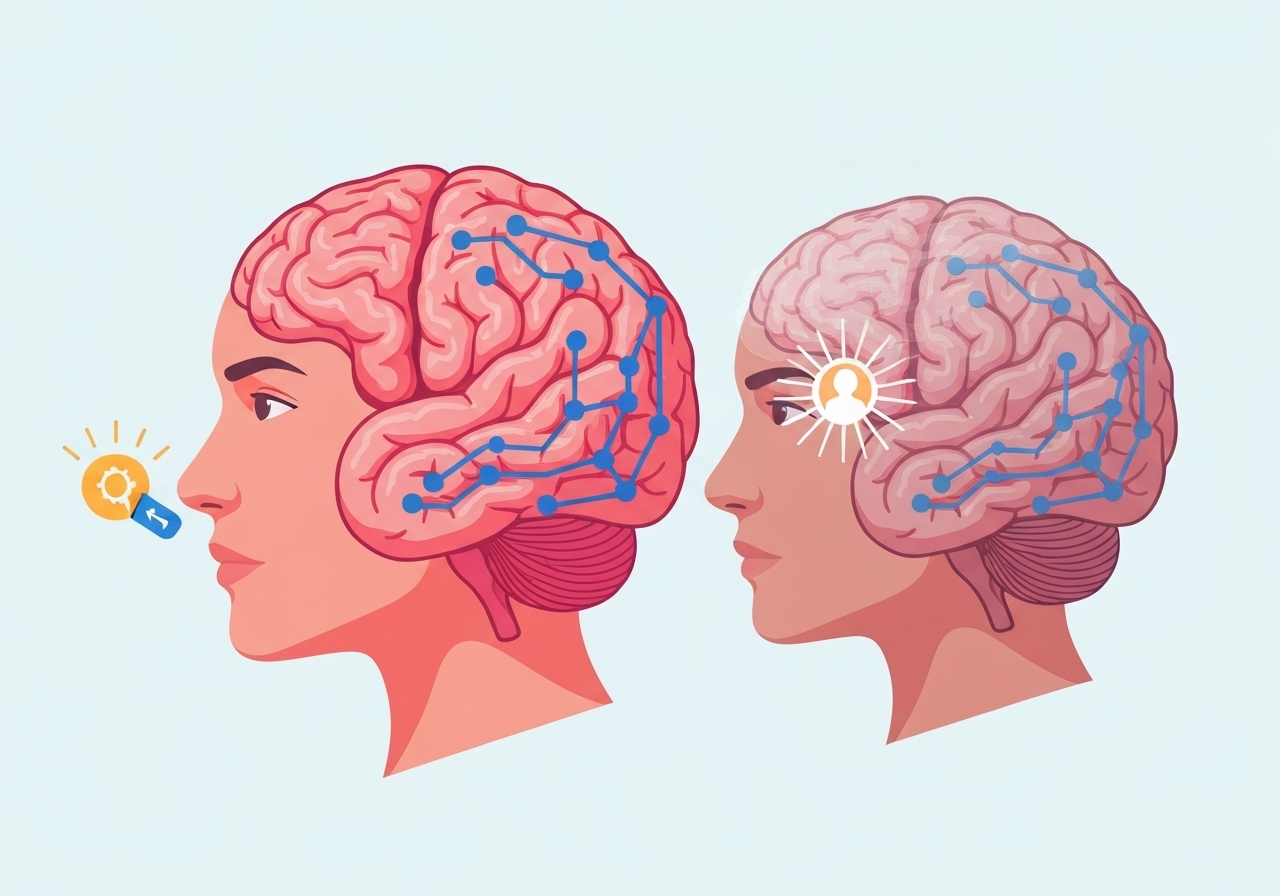
Lead: A new set of studies published in Nature and Cell and reported Dec. 7, 2025, suggests the shingles (varicella‑zoster) vaccine could both lower the risk of developing dementia and slow decline in people already diagnosed. Researchers from Stanford Medicine and other groups analyzed health records and experimental data pointing to reduced disease progression and lower dementia‑related mortality among vaccinated groups. The findings are preliminary but offer a potential preventive and therapeutic angle on a condition projected to grow in prevalence. Public‑health experts say further confirmatory trials are needed before changing clinical guidance.
Key Takeaways
- The Cell follow‑up study, led by Stanford Medicine and published Dec. 2, 2025, reports an association between shingles vaccination and slower dementia progression among people already diagnosed.
- An earlier study published in Nature identified links between herpes viruses and dementia risk, prompting further investigation into vaccines as a protective measure.
- The CDC estimates roughly 1 in 3 Americans will develop shingles in their lifetime; the two‑dose shingles vaccine is about 90% effective at preventing shingles in older adults and is recommended at age 50.
- Dementia affects more than 55 million people worldwide; a 2024 analysis projected lifetime dementia risk after age 55 could rise to about 42%.
- Authors report that vaccination was associated not only with reduced incidence of dementia but with slower clinical progression and lower probability of dying from dementia in treated individuals.
- Mechanisms proposed include prevention of viral reactivation, reduced neuroinflammation, and broad enhancement of immune resilience, but direct causal pathways remain unproven.
- Researchers caution the current evidence is associative and call for randomized trials and mechanistic studies to confirm therapeutic benefit and generalizability.
Background
The varicella‑zoster virus (VZV), a member of the herpesvirus family, causes chickenpox on first infection and can remain dormant in nerve cells for decades. In later life the virus can reactivate as shingles, a painful localized rash that can affect nerve tissues. Scientists have increasingly examined whether persistent or reactivated neurotropic viruses such as VZV and herpes simplex could contribute to chronic brain inflammation and pathological protein accumulation linked to Alzheimer’s disease and related dementias.
Interest in vaccines as a potential dementia‑modifying tool grew after observational and laboratory studies suggested viral activity might accelerate neurodegeneration. Public‑health stakeholders—including national immunization programs, geriatric medicine groups and patient advocates—are watching closely because existing shingles vaccines are already widely recommended for older adults. With dementia projected to rise substantially in coming decades, even modest protective effects from an already‑approved vaccine would have major population‑level implications.
Main Event
The new research comprises two linked contributions: an initial report published in Nature that strengthened evidence connecting herpesviruses to dementia biology, and a Stanford Medicine–led follow‑up published in Cell on Dec. 2, 2025, that examined clinical outcomes after shingles vaccination. The Stanford analysis used observational health records and statistical adjustment to compare dementia onset, progression and mortality between vaccinated and unvaccinated groups.
Investigators found that people who received the shingles vaccine had a lower incidence of later dementia in some datasets and, among those already diagnosed, showed slower measured decline and reduced likelihood of dementia‑linked death. Authors emphasize the findings are associations derived from nonrandomized data and that residual confounding cannot be fully excluded. Still, the pattern—prevention of new cases plus slower progression in existing cases—was described by the lead team as unexpected and potentially important.
In interviews accompanying the Cell paper, Stanford’s Dr. Pascal Geldsetzer highlighted the dual signal: a possible preventive effect and what he termed a therapeutic signal among people with established dementia. Team members noted variability across cohorts and stressed replication across different health systems and prospective clinical trials to test causality. The research also explored laboratory markers consistent with reduced viral reactivation and lower inflammatory signaling in vaccinated individuals, though those laboratory findings remain preliminary.
Analysis & Implications
If confirmed, a protective or disease‑slowing effect from the shingles vaccine would reshape thinking about dementia prevention by adding a modifiable infectious‑disease component to established risk factors such as age, vascular health and genetics. For clinicians and policymakers, the immediate question is whether to adjust vaccination messaging to emphasize potential cognitive benefits; most experts say the evidence is not yet strong enough to change formal recommendations beyond established indications for shingles prevention.
The proposed biological mechanisms fall into two broad categories. One model posits that preventing VZV reactivation reduces episodic neural inflammation that accelerates amyloid and tau pathology. Another hypothesis, forwarded by some academic groups including Cardiff University researchers, is that the vaccine induces broader immune reinforcement—countering age‑related immune decline and improving the brain’s resilience to multiple insults. Distinguishing these mechanisms will require laboratory experiments and biomarker‑driven human studies.
At a population level, even a modest reduction in dementia incidence or progression could have large downstream impacts on caregiving needs, long‑term care costs and mortality. However, observational findings are susceptible to bias—people who get recommended vaccines are often healthier, have better access to care and differ in socioeconomic factors that influence dementia risk. Randomized trials or quasi‑experimental designs (for example, leveraging changes in vaccine uptake by birth cohort or policy) would provide more definitive evidence.
Comparison & Data
| Metric | Estimate/Source |
|---|---|
| Lifetime risk of shingles (U.S.) | About 1 in 3 — CDC |
| Shingles vaccine efficacy (older adults) | ~90% against shingles — CDC (two‑dose vaccine) |
| Global dementia prevalence | Over 55 million people — Alzheimer’s Disease International |
| Projected lifetime dementia risk after age 55 | Up to ~42% (2024 analysis) |
The table summarizes widely cited population statistics that frame why a vaccine‑linked effect would be consequential. These aggregated figures do not convey the heterogeneous findings across cohorts in the new studies; the clinical analyses vary by country, underlying health‑record completeness and statistical adjustment sets, which the authors note as limitations.
Reactions & Quotes
The lead author emphasized both preventive and therapeutic implications but urged caution. Below are two succinct statements captured in public reporting and official guidance:
“We see an effect on your probability of dying from dementia among those who already have dementia… the vaccine doesn’t just have a preventive potential, but actually a therapeutic potential as a treatment,”
Dr. Pascal Geldsetzer, Stanford Medicine (quoted to CNN)
Public‑health agencies continue to underscore the vaccine’s primary, proven role—prevention of shingles and its complications—while noting ongoing research into cognitive outcomes.
“The shingles vaccine is about 90% effective in preventing shingles in older adults,”
Centers for Disease Control and Prevention (official guidance)
Unconfirmed
- Whether the observed associations reflect a direct causal effect of shingles vaccination on dementia onset and progression remains unproven and requires randomized or quasi‑experimental confirmation.
- The precise biological mechanism—viral suppression versus broad immune modulation or another pathway—has not been established by current data.
- Generalizability across different health systems, age groups, vaccine formulations and dementia subtypes is not yet confirmed.
Bottom Line
The studies published in Nature and Cell raise a plausible and important link between shingles vaccination and reduced dementia risk and progression, but they do not settle causality. For clinicians and patients, the immediate takeaway is that shingles vaccination remains strongly recommended for older adults to prevent shingles and its complications; potential cognitive benefits are an active area of research, not yet a basis for changing practice.
Researchers and policymakers should prioritize randomized clinical trials, biomarker‑led cohort studies and mechanistic work to test whether vaccination can be a scalable tool in dementia prevention or mitigation. Given the projected rise in dementia prevalence, clarifying whether existing vaccines offer even partial protection could have substantial public‑health value.
Sources
- USA Today — original coverage of the Cell and Nature studies (media)
- Cell — peer‑reviewed journal (Cell; study published Dec. 2, 2025)
- Nature — peer‑reviewed journal (initial study linking herpesviruses and dementia)
- Centers for Disease Control and Prevention — official public‑health guidance on shingles and vaccine effectiveness
- Alzheimer’s Disease International — global prevalence statistics and reports (NGO)
- Cardiff University — academic commentary on immunity and aging (academic institution)