
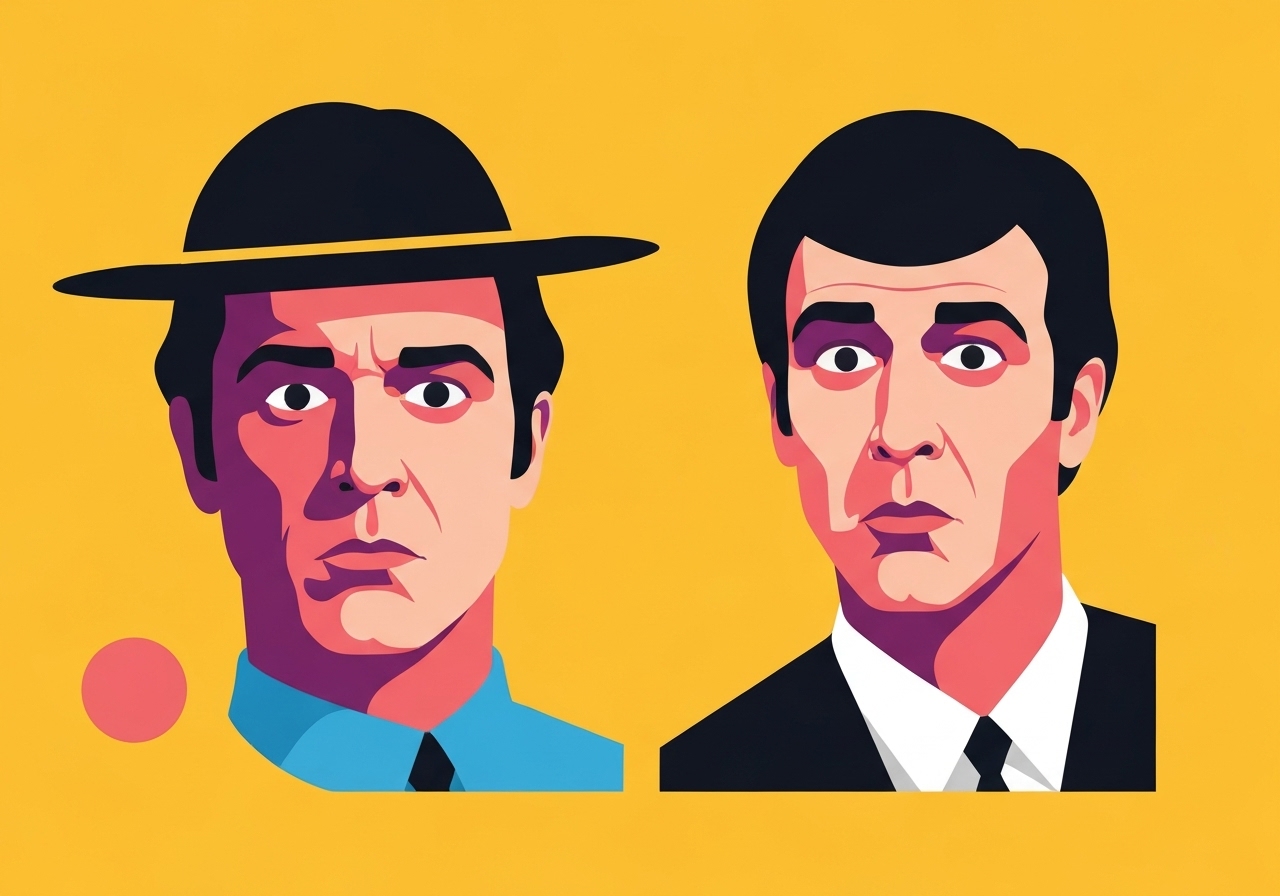
Lead: Peter Greene, a character actor best known for playing unsettling villains in films such as Pulp Fiction and The Mask, has died at 60. His manager, Gregg Edwards, said Greene was found dead in his Lower East Side Manhattan apartment on Friday, Dec. 12, 2025, a discovery prompted by a 24-hour noise complaint and a subsequent wellness check. No cause of death has been released as of Dec. 13, 2025. Greene built a four-decade career marked by intense, often improvised performances that left a lasting impression on directors and audiences.
Key Takeaways
- Peter Greene, 60, was found dead in his Lower East Side apartment on Friday, Dec. 12, 2025, manager Gregg Edwards confirmed on Dec. 13.
- Greene had a roughly 40-year acting career, frequently cast as villains in film and television, including Zed in Pulp Fiction (1994) and Dorian in The Mask (1994).
- He also appeared in Training Day (2001) as a corrupt cop; his credits span dozens of films and TV roles across the 1990s and 2000s.
- A neighbor reported continuous music for about 24 hours, prompting a wellness check that led to his being found; Edwards did not provide a cause of death.
- Greene was known for improvising on set, a trait that both endeared him to some directors and frustrated others, according to his manager.
Background
Peter Greene rose to prominence in the 1990s after a string of memorable supporting turns. His portrayal of Zed in Quentin Tarantino’s Pulp Fiction (1994) became one of the more notorious antagonist roles of that decade, while his turn as the mobster Dorian opposite Jim Carrey in The Mask the same year displayed a different comic-criminal range. Over approximately four decades Greene cultivated a reputation as a reliable character actor who could supply menace and unpredictability to small- and mid-budget pictures alike.
The late 20th century saw Hollywood rely heavily on strong character actors to populate morally ambiguous narratives; Greene’s particular look and approach made him a frequent choice for roles that required cruelty or volatility. Industry peers and critics often cited his capacity to inhabit unsympathetic figures without caricature, a skill that kept him working across genres from crime drama to dark comedy. Managers, casting directors and fans noted that Greene’s improvisational impulses could reshape scenes, producing moments that directors would either keep for their raw power or request to be reined in.
Main Event
The circumstances of Greene’s death began to emerge after neighbors in the Lower East Side reported music playing continuously for roughly 24 hours, according to his manager, Gregg Edwards. A wellness check was carried out on Friday, Dec. 12, 2025, and Greene was found deceased in his Manhattan apartment; Edwards confirmed the death publicly on Dec. 13, 2025. Authorities had not released a cause of death at the time of the confirmation, and Edwards declined to provide further medical details.
Greene’s manager emphasized the actor’s distinctive professional gifts while describing the discovery, saying Greene’s physical presence and intensity made him a go-to performer for antagonistic parts. The manager also noted Greene’s proclivity for on-set improvisation, a technique that could either elevate a scene or require additional direction. News of Greene’s death circulated quickly among film communities and on social media as colleagues and fans began to recall his memorable, often unsettling performances.
Professionals who had worked with Greene described a performer who brought personal craftsmanship to small roles, turning brief appearances into lasting impressions. His credits included dozens of film and television parts, with a steady stream of work across independent and studio projects. Despite frequent casting as a villain, several collaborators said Greene could be personable off-camera, complicating the public’s association of the man with the characters he played.
Analysis & Implications
Greene’s death highlights the outsized cultural role that character actors play in modern film storytelling. While leading stars usually dominate headlines, supporting performers like Greene shape tone and audience memory in ways that are often underappreciated. His capacity to make brief screen time feel consequential underscores how casting and performance choices inform a film’s moral texture and audience response.
Artistically, Greene’s career reflects a casting pattern in which certain physical types became shorthand for menace or corruption. That shorthand allowed filmmakers to convey moral stakes quickly but also risked typecasting actors into narrow trajectories. Greene’s repeated casting as a villain suggests both his skill at leveraging those expectations and the industry’s reliance on recognizable archetypes for economical storytelling.
Practically, the immediate absence of a publicly stated cause of death will spur requests for toxicology and coroner reports; until such official findings are released, journalists and the public should avoid drawing conclusions. More broadly, Greene’s passing may prompt renewed attention to how the industry supports performers who, although widely known within filmmaking circles, often lack the visibility and resources that come with leading-star status. Conversations around veteran performers’ financial security, healthcare access and mental health resources may gain traction following this announcement.
Comparison & Data
| Film | Year | Role | Notable |
|---|---|---|---|
| Pulp Fiction | 1994 | Zed | Notorious antagonist in Tarantino ensemble |
| The Mask | 1994 | Dorian | Crime figure opposite Jim Carrey |
| Training Day | 2001 | Corrupt cop | Supporting role in Oscar-winning drama |
This short table lists three widely noted credits referenced in contemporary coverage. Across a 40-year span Greene appeared in dozens of additional projects, many of which positioned him as a compact but memorable source of narrative tension. The distribution of his roles—frequently antagonists—mirrors a broader casting pattern for character actors whose physical or performative traits are closely associated with specific dramatic functions.
Reactions & Quotes
Friends, colleagues and critics reacted with a mix of sorrow and remembrance, citing both Greene’s screen intensity and his improvisational approach. Representatives in the industry noted that Greene’s work, even when brief, often altered a film’s emotional register.
‘His look and his ability to play the bad guy was unmatched.’
Gregg Edwards, manager
Edwards offered that praise while confirming Greene’s death and emphasizing the actor’s singular gifts; the remark framed Greene’s career as one defined by a distinctive screen presence. Another short appraisal comes from a past review of his work that captured the unsettling authenticity of his performances.
‘Scarily authentic.’
The New York Times (review excerpt)
The phrase has been used in coverage to describe how Greene brought realism to roles that might otherwise read as caricature, a quality that made his turns linger in public memory.
Unconfirmed
- No official cause of death had been released as of Dec. 13, 2025; whether an autopsy or toxicology report will be published remains unconfirmed.
- Details beyond the manager’s statement—such as the precise timeline inside the apartment or medical history—have not been independently verified.
Bottom Line
Peter Greene’s death closes a chapter on a distinct kind of screen presence: the character actor whose brief moments can define a scene and persist in audience memory. His turns in Pulp Fiction and The Mask exemplify how supporting performances can become cultural touchstones. While immediate questions about cause and circumstances remain unanswered, industry reactions emphasize Greene’s craft and the particular role he played in shaping 1990s and 2000s American cinema.
In the weeks ahead, official reports may clarify the medical cause of death; concurrently, conversations about the support structures available to veteran character actors could gain renewed attention. For now, Greene’s body of work stands as a reminder that sometimes the most indelible elements of a film come from performers who occupy the space just outside the marquee.
Sources
- The New York Times (news report, Dec. 13, 2025)