
Lead
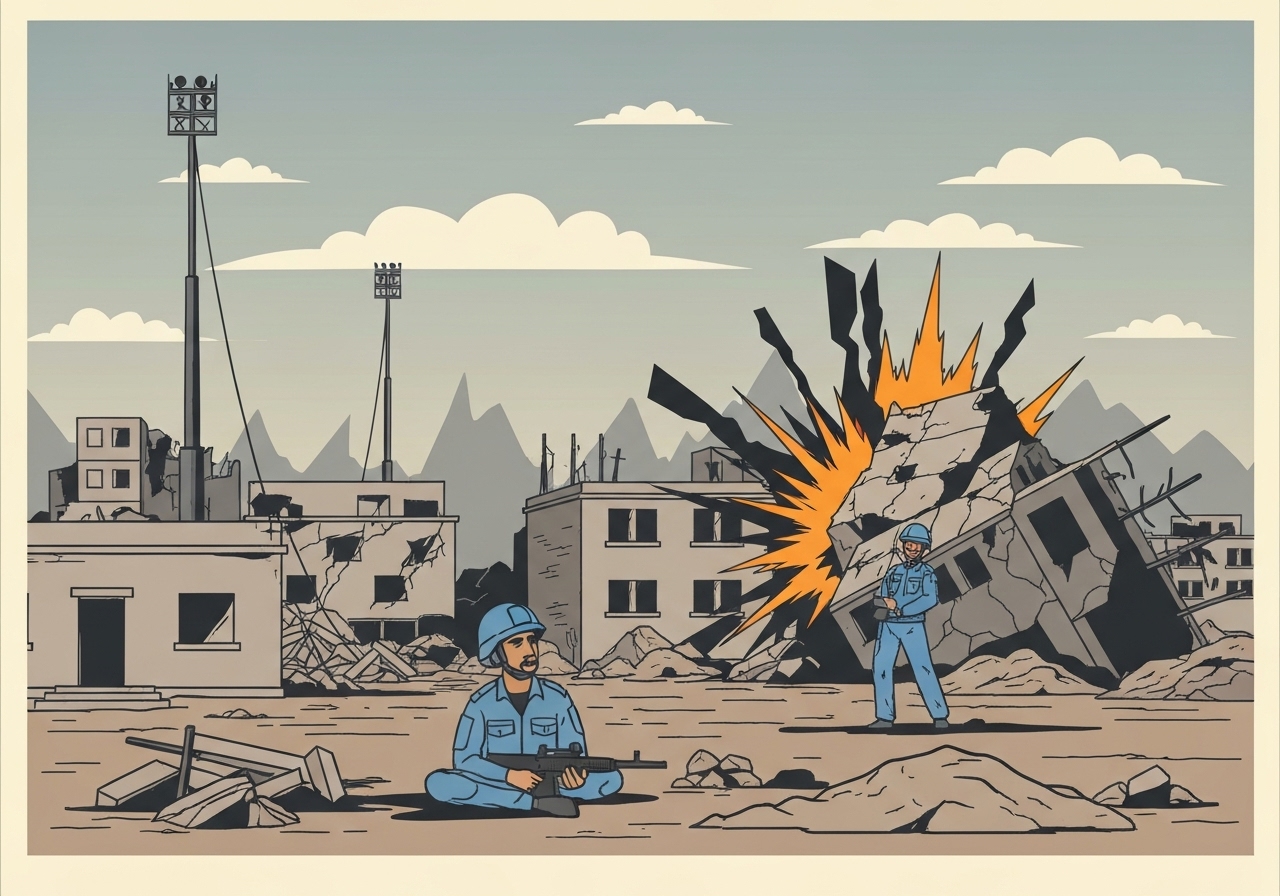
A drone strike on Saturday, 13 December 2025, struck a United Nations logistics base in Kadugli, Kordofan, killing six UN peacekeepers and wounding eight others, UN Secretary General António Guterres said. All the victims were Bangladeshi nationals serving with the UN Interim Security Force for Abyei, UNISFA. The UN chief warned the attack may amount to war crimes and urged that those responsible be held to account. Sudanese military authorities blamed the Rapid Support Forces, while the RSF issued no immediate comment.
Key Takeaways
- Six UN peacekeepers were killed and eight injured in a drone strike on 13 December 2025 at a logistics base in Kadugli, Kordofan.
- All confirmed casualties were Bangladeshi personnel serving with UNISFA, the mission deployed to Abyei since 2011.
- UN Secretary General António Guterres stated that attacks on peacekeepers may constitute war crimes under international law and called for accountability.
- The Sudanese military publicly blamed the Rapid Support Forces, and posted video imagery showing smoke over the site; the RSF has not responded to the accusation.
- The incident occurred amid a wider conflict that began in April 2023 between the Sudanese military and the RSF and has resulted in more than 40,000 deaths, a figure rights groups say likely undercounts the toll.
- The attack adds pressure on UN operations in Abyei and risks further destabilising a region already affected by mass displacement and food insecurity.
Background
The UN has maintained a presence in the disputed Abyei area since 2011, when South Sudan became independent from Sudan. UNISFA was established to monitor the demilitarised status of Abyei and to protect civilians and essential infrastructure. Abyei sits on the fault line between Sudan and South Sudan, and control of the area has long been contested by both states and by local armed actors.
Since April 2023 a struggle for supremacy between the Sudanese Armed Forces and the Rapid Support Forces has plunged much of Sudan into chaos, with fighting concentrated at times in Khartoum, Darfur and Kordofan. Humanitarian agencies describe the result as the world s worst ongoing crisis, with widespread displacement, disrupted aid access and parts of the country facing famine conditions. The conflict has also been marked by reports of mass atrocity crimes in several regions, prompting international concern and calls for investigations.
Main Event
According to the UN, the strike struck a UN logistics base in Kadugli on Saturday, 13 December 2025. UNISFA confirmed six fatalities and eight injuries, all among Bangladeshi peacekeepers assigned to the mission that monitors Abyei. The logistics site performs supply and coordination roles for the mission and is not a front line combat post.
The UN secretary general publicly condemned the attack and issued a statement warning that assaults on uniformed UN personnel may amount to war crimes. He called for prompt investigation and for those responsible to be brought to justice, while reiterating a demand for an immediate ceasefire to enable a Sudanese-led political process.
The Sudanese military blamed the Rapid Support Forces for the strike and shared video footage on social platforms showing thick black smoke rising over the compound. The RSF, which has repeatedly denied responsibility for some earlier high-profile incidents, had not issued a statement in response at the time the UN announcement was published.
Local medical and mission sources described a chaotic aftermath in Kadugli as wounded peacekeepers were evacuated to medical facilities. UNISFA has been conducting casualty and damage assessments and coordinating with troop contributing countries, Bangladesh in this case, on casualty notification and support for families.
Analysis & Implications
The killing of peacekeepers at a UN facility intensifies the legal and diplomatic stakes. Under international humanitarian law, deliberate attacks on personnel and facilities bearing UN identification can constitute war crimes, a determination that would heighten pressure for independent investigation and possible referral to international mechanisms. The UN s insistence on accountability signals potential diplomatic steps and could influence the posture of troop contributors and funders.
Operationally, the strike complicates UNISFA s ability to operate safely in Abyei and may force temporary reductions in activities or relocation of logistics hubs. Countries supplying troops may reassess force protection measures and rules of engagement; some might demand clearer guarantees from parties to the conflict or seek additional protective assets before continuing normal deployments.
The incident also has broader regional repercussions. Abyei s disputed status links Sudanese dynamics to South Sudanese politics and resource interests, particularly around oil. Renewed violence there risks cross-border displacement and could draw in mediators and neighbouring states, making an already fragmented peace process harder to coordinate. International humanitarian access is likely to face further obstacles, worsening civilian suffering.
Comparison & Data
| Item | Date or Figure |
|---|---|
| UNISFA deployment to Abyei | Since 2011 |
| Drone strike on UN base in Kadugli | 13 December 2025, 6 killed, 8 wounded |
| Estimated conflict deaths since April 2023 | More than 40,000 (rights groups say likely undercount) |
The table highlights how the recent strike fits into a longer history of UN presence in Abyei and a conflict that has produced a high human toll since April 2023. The six peacekeepers killed represent one of the deadliest single incidents affecting UN personnel in the current phase of the Sudan crisis. Comparisons with past attacks on UN missions underline risks faced by peacekeepers operating amid contested airspace and multiple armed actors.
Reactions & Quotes
UN leadership framed the attack as a grave violation with potential legal consequences.
Attacks targeting United Nations peacekeepers may constitute war crimes under international law.
António Guterres, UN Secretary General
The Sudanese military directly blamed the RSF and used social footage to support its claim, asserting the strike exposed the tactics of the militia and its backers.
The attack clearly reveals the subversive approach of the rebel militia and those behind it.
Sudanese Armed Forces, official statement
Unconfirmed
- The attribution of responsibility to the RSF rests on the Sudanese military s claim and a posted video; independent verification of the strike s origin remains pending.
- The full sequence of events inside the logistics base at the moment of the strike, including potential secondary explosions or ammunition involvement, has not been independently confirmed.
- Additional casualty or equipment loss figures reported in social media posts remain unverified by UNISFA or independent monitors.
Bottom Line
The drone strike that killed six Bangladeshi peacekeepers in Kadugli marks a serious escalation in the risks confronting UN personnel in Sudan and underscores the fragility of protection for civilians and aid operations in contested areas. The UN s assertion that the attack could constitute a war crime increases the likelihood of calls for international investigation and could shape diplomatic and military responses from troop contributors and partners.
In the weeks ahead, key indicators to watch include whether an independent inquiry can establish the strike s source, how troop contributing countries respond on force posture and protections, and whether the incident prompts renewed diplomatic pressure for a ceasefire and an inclusive Sudanese-led political process. For civilians in Abyei and beyond, the danger is that the event will further limit humanitarian access and deepen displacement and food insecurity.