
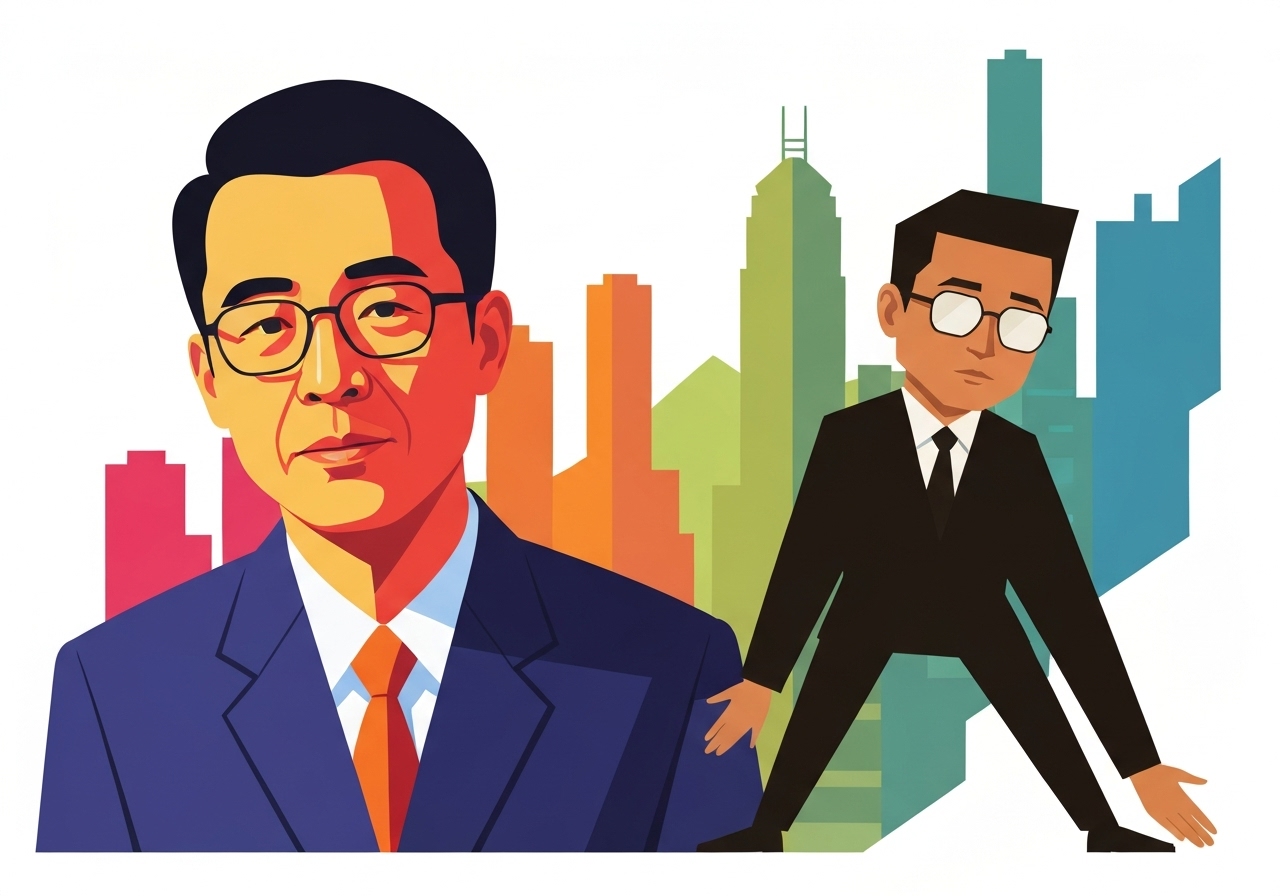
On Monday, 15 December 2025, a Hong Kong court convicted media tycoon Jimmy Lai, 78, of national security offences tied to the 2019 protests, ending a high-profile trial that has symbolised the city’s democratic struggle. Lai was found guilty of one count of conspiracy to publish seditious publications and two counts of conspiring with foreign forces; judges said his actions demonstrated long-standing hostility to the People’s Republic of China. The verdict removes one of the last prominent defendants from public activism and deepens concerns about press freedom and the rule of law in Hong Kong. Prosecutors say he could face life imprisonment; his family has warned of serious health risks while in custody.
Key takeaways
- The court convicted Jimmy Lai on 15 December 2025 of three national security charges related to publications and alleged foreign collusion; he was 78 at the time of conviction.
- Lai has been detained since 2020 and already serves multiple protest-related sentences that total almost 10 years, plus other convictions and a contested fraud allegation.
- The trial lasted nearly two years, with repeated delays, legal challenges and government interventions that critics called politically motivated.
- Apple Daily, Lai’s flagship paper, was raided in August 2020 and forced to close in 2021 after sustained pressure; its final print run sold an estimated 1 million copies.
- Authorities have brought more than 200 arrests under the national security law and a mass prosecution of 47 pro-democracy figures tied to an informal primary election.
- Observers note Lai’s long-running profile — from garment factory worker to founder of Giordano and Apple Daily — as symbolically parallel to Hong Kong’s recent political arc.
Background
Jimmy Lai arrived in Hong Kong from mainland China at age 12 and rose from factory work to build a retail and media empire, including the Giordano clothing chain and the tabloid Apple Daily. His outlets combined populist tabloid journalism with investigations and outspoken commentary that became increasingly political after the 1989 Tiananmen Square crackdown; Lai later described that turning point as decisive for his activism. By 2020 he was a prominent public backer of pro-democracy causes and a rare member of Hong Kong’s business elite who openly funded and championed opposition to Beijing’s tightening control.
The political context shifted sharply in mid-2019 when mass demonstrations erupted against an extradition bill; protests broadened into a wider pro-democracy movement. Beijing and Hong Kong authorities responded with successive legal and institutional measures that culminated in a national security law enacted in June 2020. The law criminalised a range of activities framed as secession, subversion, terrorism or collusion with foreign forces, and it has been used to prosecute journalists, activists, politicians and civil society figures.
Main event
Lai’s trial—one of the highest-profile cases under the national security law—examined his newspaper’s coverage, fundraising and contacts with foreign figures. He pleaded not guilty to conspiracy to publish seditious materials and two counts of conspiring with foreign powers. Over nearly two years the proceedings were repeatedly postponed as defence teams raised procedural challenges and judges considered evidence and legal points, while the government pressed for a robust application of the security law.
Judges who delivered Monday’s verdict said Lai had long harboured animosity toward the PRC and had sought to undermine the Communist Party’s authority, language the defence disputed as characterisation rather than legal finding. Prosecutors highlighted Apple Daily’s advocacy — including campaign material directed at foreign leaders during 2019 — as proof of collusion with external actors and intent to destabilise the city’s institutions.
Lai has been in custody since 2020 on a mix of remand and sentences for protest-related offences. Before the national security conviction he had already received several sentences that together amount to almost a decade in prison; supporters say separate fraud charges were politically tainted. The court has indicated the new verdict could trigger the most severe sentence available under the law, including life in prison, a prospect that has prompted urgent medical concerns voiced by his family.
Analysis & implications
The conviction of Lai crystallises broader shifts in Hong Kong: diminishing space for dissent, constrained press freedom and a legal system increasingly used to enforce political boundaries. Apple Daily’s closure removed a persistent critical voice from the local media landscape and signalled to remaining outlets the costs of overt opposition. International rights groups described the trial as politically motivated; governments that once criticised Beijing’s approach face a tougher calculus about trade and diplomatic pressure.
Domestically, the verdict reinforces deterrence. Authorities have already pursued more than 200 arrests under the national security law and brought high-stakes trials against leading activists and politicians. Analysts say the legal outcomes aim to dissuade mass mobilisation and rebuild a compliant civic order, even as they shrink Hong Kong’s former role as a regional hub for free information flows and international finance.
Internationally, Lai’s case raises questions about responses from Western capitals. The UK has called the prosecution politically motivated but stopped short of economic measures; bilateral trade with Hong Kong rose to £27.2bn in the year to July, complicating leverage. Some commentators warned that ties with the US could make individual cases a bargaining topic in broader geopolitical negotiations, though that remains speculative.
Comparison & data
| Metric | Figure | Notes |
|---|---|---|
| National security arrests (since 2020) | 200+ | Multiple sources report over 200 related arrests |
| Mass prosecution linked to primaries | 47 defendants | Charges over informal primary election activity |
| Lai’s prior protest sentences | Almost 10 years | Aggregate of several protest-related convictions |
| Age at conviction | 78 | Born 1947 |
| Estimated net worth (2020) | $1.2bn | Biographical estimate at time of first major arrest |
| UK–Hong Kong trade (year to July) | £27.2bn | Nearly 10% year-on-year increase |
The table sets the scale: legal actions have been numerous and high-profile, while economic ties between Hong Kong and the UK remain substantial despite diplomatic tensions. Those dual realities—continuing commerce and sweeping prosecutions—shape how external governments weigh responses to human rights concerns.
Reactions & quotes
“The trajectory of his life reflects the history of Hong Kong itself.”
Kevin Yam, Australian–Hong Kong lawyer (subject to Hong Kong arrest warrant)
Yam’s remark frames Lai as both an individual actor and a symbol of the city’s contested path. Yam himself faces legal exposure for activism and spoke to how Lai’s career echoed larger civic hopes and defeats.
“He had harboured his hatred and resentment for the PRC for many of his adult years,”
Ruling judges (court statement)
The judges’ language, emphasised in the written ruling, portrayed Lai’s actions as political and sustained. Defence counsel argued the rhetoric conflated editorial dissent with criminal intent.
“I always had the knowledge that my dad was doing the right thing and not the easy thing.”
Sebastien Lai, son and campaigner
Sebastien Lai, now active abroad pressing for his father’s case, has repeatedly urged foreign governments to do more while stressing his father’s personal commitment to Hong Kong.
Unconfirmed
- That Lai will be used directly as a bargaining chip in US–China negotiations remains speculative; some commentators have suggested the possibility but no formal link has been verified.
- Claims that authorities planned to transfer Lai to the mainland for trial were widely feared but were not executed in this case.
- Reports that Lai’s medical condition will preclude any long prison term have been raised by family members but are not independently verified.
Bottom line
Jimmy Lai’s conviction is both a personal tragedy and a public milestone: it removes a loud pro-democracy voice from Hong Kong’s civic life and marks a hardening of legal and political boundaries under Beijing’s influence. For many observers, the case underlines the rapid narrowing of civic space that followed the 2019 protests and the 2020 security law.
Looking ahead, the verdict is likely to reinforce deterrence against organised dissent and to shape the behaviour of remaining media and civil-society actors in the city. International pressure and diplomatic protests may continue, but trade and strategic calculations complicate strong punitive responses; the coming months will test whether external actors can influence legal and human-rights outcomes in Hong Kong.
Sources
- The Guardian (international news report)
- Hong Kong Department of Justice (official)
- Reuters (international news agency)
- BBC News (international public broadcaster)