
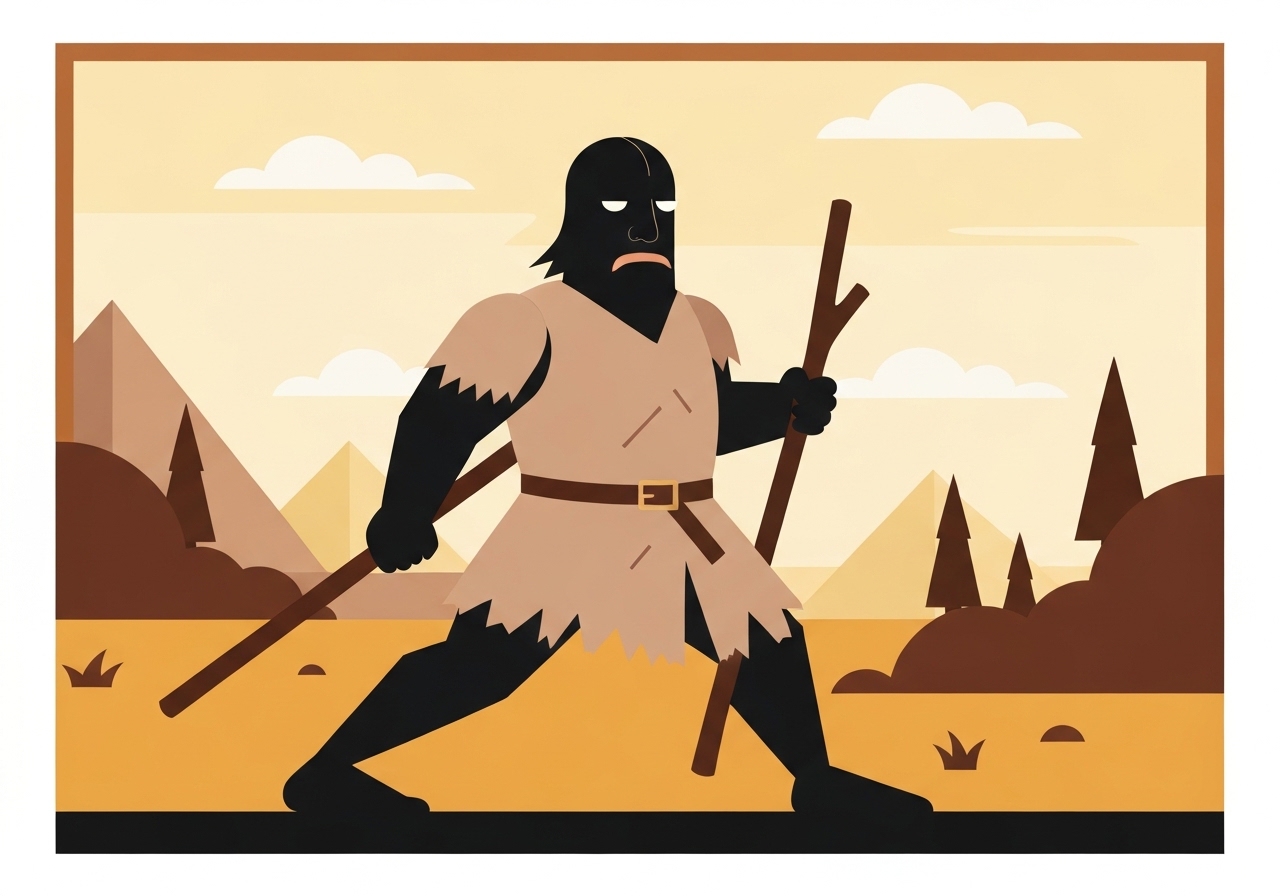
Lead: HBO’s A Knight of the Seven Kingdoms premiered Sunday, January 16, 2026, delivering a compact, six-episode adaptation of George R.R. Martin’s Dunk and Egg novellas set in Westeros. The series follows a humble knight (Peter Claffey) and his squire (Dexter Sol Ansell) over a few days at a jousting tournament, trading the grand sweep and dark brutality of Game of Thrones and House of the Dragon for a smaller, more comedic tone. Critics note the absence of dragons, overt magic and sprawling dynastic scheming; instead the show foregrounds commoners, humor, and quieter stakes. The result is an accessible, brisk entry point to Martin’s world that deliberately courts viewers who have long derided the franchise’s most fantastical elements.
Key Takeaways
- The series premiered on HBO on January 16, 2026, and adapts the first Dunk and Egg story into six episodes, each roughly 30 minutes long.
- Principal cast includes Peter Claffey as Dunk, Dexter Sol Ansell as Egg, and Danny Webb in a supporting role; the plot centers on a single-location jousting tournament over a few days.
- The show omits major fantasy tropes—no dragons, no overt magic—and reduces epic scope in favor of a grounded, character-led comedy.
- Female speaking roles tend to be limited to sex workers or romantic figures, and plot momentum sometimes hinges on violence toward those characters.
- Tone shifts markedly from previous franchise entries: lighter pacing, more hopefulness, and a focus on commoners rather than highborn houses.
- The production leans into physical humor and tournament spectacle, while still depicting occasional brutality and political snobbery from Targaryen characters.
- Running time and singular setting make the series easy to watch without prior franchise knowledge or reference material.
Background
George R.R. Martin’s short Dunk and Egg novellas have long been a compact counterpoint to the sprawling Song of Ice and Fire saga. Written as shorter, episodic adventures, those tales follow Ser Duncan the Tall (Dunk) and his squire, Egg, before the major dynastic conflicts that dominate Game of Thrones. Producers adapted the first of those novellas for HBO, aiming for a tonal shift by emphasizing character-driven moments and situational comedy rather than political labyrinths and supernatural threats.
The broader television franchise—most notably Game of Thrones and House of the Dragon—built its reputation on expansive worldbuilding, interlocking family trees, and high-stakes violence, including sexual violence and incest that generated both viewer interest and controversy. A Knight of the Seven Kingdoms takes a deliberate step away from many of those hallmarks, narrowing scope to one event and foregrounding the perspective of lower-status characters. That choice positions the new series as both an entry point for new viewers and a palate cleanser for longtime watchers.
Main Event
The series opens with Dunk, a once-squire now thrust into proving himself after his mentor’s death. Peter Claffey portrays Dunk as a well-meaning, awkward figure, the kind who might have been consumed in earlier franchise entries but is allowed here to survive and grow. Dexter Sol Ansell’s Egg is younger and more worldly than his age suggests, offering tactical help and narrative foil to Dunk’s blunt sincerity.
The action unfolds almost entirely at a tournament, where interpersonal friction replaces continental warfare. Preening nobles, including Targaryen scions, provide antagonism and class-based humiliation; physical comedy and staged melees punctuate the pace. The series leans into the ceremonial pageantry of knighthood—tilts, armor, bravado—while keeping the stakes local and immediate.
Despite a lighter tone, the show does not erase cruelty: bullying, humiliation, and episodic violence appear and prompt Dunk to act, often motivated by chivalric impulse. Female characters with lines are typically framed as love interests or sex workers, and their narrative roles sometimes serve to catalyze the male leads’ choices. Production design and fight choreography underscore the story’s grounded, human scale more than any mythic or magical spectacle.
Analysis & Implications
By shrinking scale and focusing on a short, single-location arc, A Knight of the Seven Kingdoms abandons the encyclopedic demands of previous franchise installments. That shift reduces the barrier to entry for casual viewers and those who disliked the franchise’s more fantastical or sprawling aspects. The six-episode, half-hour format also signals a willingness to experiment with pacing and genre inside the Martin universe.
Tone matters: the show’s comic bent reframes Westeros as a place where small acts of decency can matter, which may broaden the franchise’s tonal range and audience appeal. It also offers makers a template for adapting shorter source material without forcing it into epic serial molds. If successful, this approach could encourage more compact, character-focused adaptations from established speculative worlds.
However, the series also highlights persistent representational shortcomings. The concentration of speaking roles for women into narrow archetypes raises questions about whose stories are prioritized even in a narrative claimed to champion commoners. Producers may face pressure to diversify character function and agency in any continuation or future adaptations to avoid repeating those criticisms.
Comparison & Data
| Feature | Game of Thrones | House of the Dragon | A Knight of the Seven Kingdoms |
|---|---|---|---|
| Episode length | ~50–80 minutes | ~50–70 minutes | ~30 minutes |
| Season scope | Multiple seasons, continent-spanning | Large dynastic focus | Single tournament, single location |
| Fantasy elements | Dragons, magic, undead | Dragons, political intrigue | No dragons or overt magic |
| Tonal profile | Grim, epic | Grim, political | Light, comedic |
Putting these programs side by side clarifies the deliberate choice behind AKotSK’s economy: shorter runtime, compressed setting, and reduced supernatural content create a distinct sub-entry in the franchise. That puts creative emphasis on character dynamics and humor rather than spectacle, which may affect critical reception and viewership demographics differently than earlier installments.
Reactions & Quotes
Early responses have mixed praise for the tonal pivot and critique of limited female roles. Industry observers note the show’s accessibility; some viewers welcome the lighter touch while others miss the franchise’s epic scale. The following excerpts summarize representative reactions.
“a small, grounded story”
NPR review (media)
That brief appraisal captures the show’s defining choice to shrink vantage and stakes. NPR’s coverage framed AKotSK as intentionally unburdened by the encyclopedic apparatus of its predecessors, favoring immediacy over mythic breadth.
“Dunk is simple and good-hearted, a foil to Westeros’ usual cruelty”
NPR review (media)
Critics highlight Peter Claffey’s portrayal as a tonal anchor: his decency allows the series to explore kindness and humor within a world usually defined by betrayal and bloodletting. Audience threads emphasize the performative comedy in tournament sequences as a refreshing change.
Unconfirmed
- No official announcement has been made about adapting additional Dunk and Egg novellas into subsequent seasons; reports of a multi-season order remain unverified.
- Speculation about casting changes or surprise cameos from mainline franchise characters is circulating online but lacks corroboration from HBO or credited production materials.
Bottom Line
A Knight of the Seven Kingdoms intentionally recasts Westeros as a setting for short, character-rich storytelling rather than continent-spanning conflict and supernatural spectacle. Its six-episode, half-hour structure and comic lean make it accessible to viewers who dislike dragons, vast genealogies, or the grimness of earlier shows.
However, the series’ narrower focus reveals lingering issues around gendered character functions and representational breadth that critics and viewers will likely continue to interrogate. If the adaptation proves popular, future installments should broaden character agency while preserving the concise, human-centered storytelling that distinguishes this entry.