
Lead
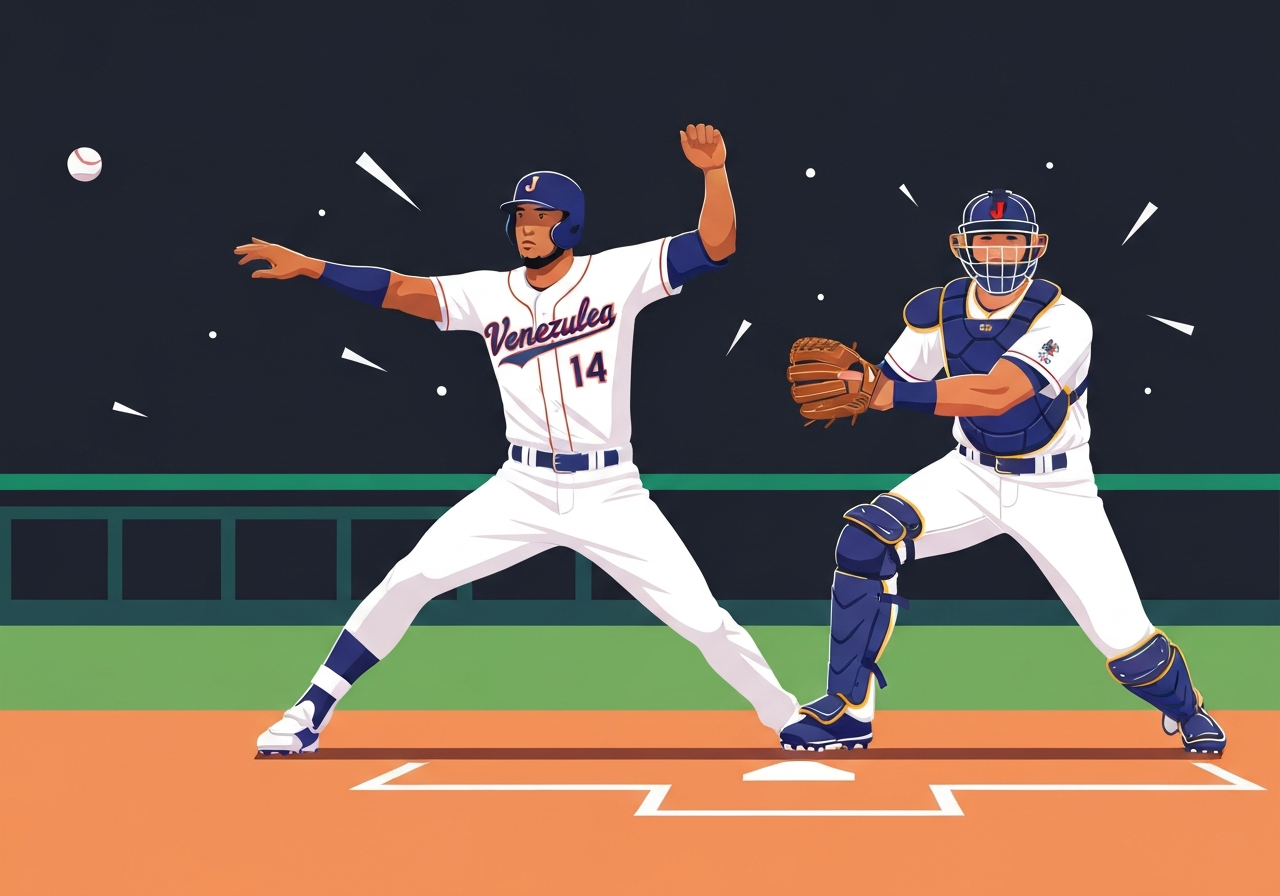
In a Miami quarter-final on Saturday at loanDepot Park, Wilyer Abreu delivered a three-run homer that turned a 5-4 deficit into an 8-5 victory, eliminating defending champion Japan. The shot off Hiromi Itoh in the sixth inning gave Venezuela its first World Baseball Classic semi-final berth in 17 years and ended Japan’s 11-game WBC winning run. Maikel Garcia’s two-run homer in the fifth had started the rally, and Abreu’s 409-foot drive provided the decisive margin. Venezuela will meet Italy in the semi-finals and has secured a spot in the six-nation field for the 2028 Olympic baseball tournament.
Key Takeaways
- Wilyer Abreu hit a three-run homer off Hiromi Itoh in the sixth inning to put Venezuela ahead in an 8-5 quarter-final win over Japan at loanDepot Park.
- Japan’s 11-game World Baseball Classic winning streak ended in the loss; Japan entered the game as the reigning WBC champion.
- Maikel Garcia cut a 5-2 deficit with a two-run homer in the fifth inning, sparking Venezuela’s comeback.
- Abreu’s go-ahead homer was measured at 409 feet to right field; it was his first home run of the tournament.
- Abreu is hitting .294 with six RBIs across five WBC games, and the victory marks Venezuela’s first WBC semi-final in 17 years (since 2009).
- Venezuela’s win secures their place among six teams qualified for the 2028 Olympic baseball tournament, alongside the United States and the Dominican Republic.
Background
The World Baseball Classic has grown into a high-stakes international tournament since its inception, pitting major-league talent against national pride. Japan entered the 2026 knockout phase as the defending champion and on an 11-game WBC winning streak that stretched across tournaments, making them the team to beat in Miami. Venezuela, long a hotbed of baseball talent but with limited WBC success, had not reached the semi-finals in 17 years. For many Venezuelans the tournament carries outsized symbolic value amid domestic challenges; baseball successes are widely followed and celebrated at home and in the diaspora.
Tournament structure and Olympic ties raised the match’s significance: advancement affects the bracket and national qualification routes for Paris and future international events. LoanDepot Park hosted a vocal Venezuelan contingent whose drumming and chants were a notable factor throughout the game. Managers from both sides had leaned on major-league rosters, making strategic bullpen use and matchup decisions central to the quarter-final narrative.
Main Event
Japan led 5-4 heading into the sixth inning after earlier scoring runs that put pressure on Venezuela’s bullpen. In the top of the sixth, Hiromi Itoh faced Abreu with runners on base; Abreu connected for a three-run homer that flew 409 feet to right field and cleared the fence. His teammates poured out of the dugout and Abreu tossed his bat high as loanDepot Park erupted. The blast flipped the scoreboard and set the tone for the late innings.
The comeback began in the fifth when Maikel Garcia homered for two runs to narrow Japan’s lead to 5-4, forcing the momentum swing that Abreu would complete. Venezuela’s offense manufactured runs at key moments while the pitching staff held Japan to no further scoring after the sixth. Japan managed to threaten later but could not overcome the three-run deficit created by Abreu’s swing.
Postgame, Abreu called the moment one of the most exciting of his career and described making solid contact on a pitch he had targeted. The Venezuelan players acknowledged the crowd’s influence; fans remained on their feet and beat drums throughout the game, amplifying Venezuela’s run support. The win not only advances Venezuela to the semis but also locks in an Olympic qualification berth for 2028 as part of the six-team field.
Analysis & Implications
Venezuela’s victory carries both immediate tournament consequences and longer-term significance. On the field, it removes the favorite Japan from title contention and reshuffles the semi-final matchups, giving Venezuela a high-profile path against Italy. For Venezuela, advancing deep in the WBC elevates the national program’s international standing and offers momentum for player development and scouting visibility.
Japan’s loss exposes vulnerabilities amid tight international schedules that pull heavily on pitching depth. An 11-game WBC winning streak ending here underlines how single-elimination pressure and matchup swings can upend even the most consistent programs. Japan will likely reassess bullpen allocation and late-inning options as it plans for future tournaments.
Qualifying for the 2028 Olympic six-nation field is a tangible benefit of Venezuela’s run, securing future international exposure and potential funding or federation support tied to Olympic participation. Economically and culturally, successes on this stage can drive grassroots interest and provide players with added leverage in contract and representation discussions. For the WBC, games like Saturday’s reinforce the tournament’s drama and its role as a showcase for global baseball talent.
Comparison & Data
| Item | Detail |
|---|---|
| Final score | Venezuela 8, Japan 5 |
| Decisive hit | Wilyer Abreu three-run HR, 409 ft (6th inning) |
| Key earlier play | Maikel Garcia two-run HR (5th inning) |
| Abreu tournament line | .294 AVG, 6 RBIs in 5 games |
The table highlights the critical plays and statistical takeaways that determined the quarter-final outcome. Abreu’s power display and Garcia’s timely homerbookend the offensive sequence that overturned Japan’s lead; Venezuela’s balanced attack across the middle innings proved decisive.
Reactions & Quotes
“I tried to at least tie the game with a sac fly. He gave me a really good pitch to hit. I made good contact. I’m very excited for this win.”
Wilyer Abreu, postgame television interview
“The crowd today and every game that we have played in this WBC, the fans have been great, incredible. You can feel the vibes.”
Wilyer Abreu, postgame comments
Both quotes underline how Abreu framed his homer as the result of preparation and favorable pitch selection, and how the Venezuelan fan presence factored into the team’s energy. Media outlets and supporters reacted quickly on social platforms, praising the performance and noting the historic nature of the advancement.
Unconfirmed
- Specific pitching matchups and rotation plans for Venezuela and Italy in the semi-final are not yet finalized and remain subject to managerial announcement.
- Any potential roster changes for late injuries or travel issues ahead of the semi-final have not been officially disclosed by either federation.
Bottom Line
Wilyer Abreu’s sixth-inning three-run homer was the single swing that sent Venezuela past Japan and into a WBC semi-final for the first time in 17 years. The win ends Japan’s long WBC winning run and reshapes the tournament bracket heading into the final four. Venezuela’s advancement also secures a place in the six-nation field for the 2028 Olympics, a concrete payoff with long-term implications for the national program.
Looking ahead, Venezuela faces Italy in the semi-finals, where pitching matchups and bullpen depth will likely determine the next result. For Japan, the loss will prompt a tactical review; for fans and federations, the game reinforced the WBC’s capacity to produce high-stakes international drama. Observers should watch roster confirmations and announced starters as the semis approach for a clearer picture of how the remainder of the tournament may unfold.
Sources
- The Guardian (media coverage)
- World Baseball Classic official site (official tournament information)